
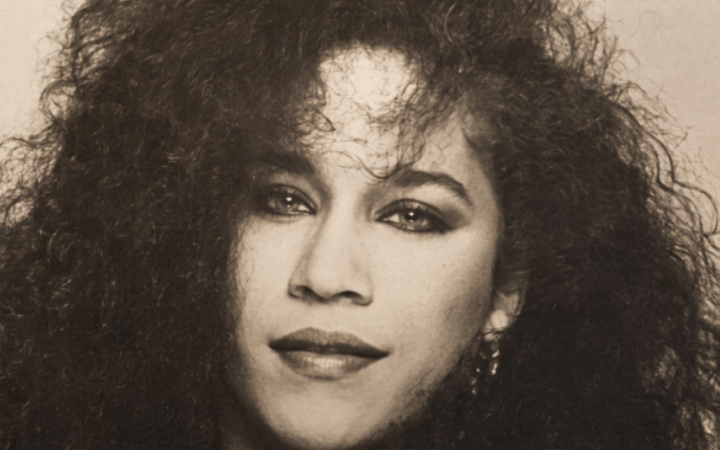
Doreen C. Broadnax, known to hip-hop as Sparky D, passed away on July 4, 2026, at the age of 61. Her passing prompted DJ Sir Daniel and Jay Ray of Queue Points to revisit a career that began in Brownsville, Brooklyn, and briefly placed her at the center of hip-hop's first major recorded rivalry, the Roxanne Wars.
Sparky D's entry into recorded music came through The Playgirls, a Brooklyn group she joined around 1983. The group released "Our Picture of a Man," produced by Spyder D, who would become her romantic partner, producer, and manager, and whose influence would shape—and, according to the hosts, eventually limit—her solo output. That partnership positioned her to respond when Roxanne Shanté's debut single, "Roxanne's Revenge," was released.
What set the Sparky D and Roxanne Shanté rivalry apart from the era's other Roxanne records, according to the hosts, was that the two teenagers eventually built a real relationship despite performing as rivals on tour.
Listen To This Episode
Remembering Sparky D: Golden Era Battle Rap Queen
This episode honors Sparky D, tracing her rise from a Brownsville dancer to a pioneering female battle rapper during the Roxanne Wars, and examining her work with The Pla...
"There is an actual sisterhood amongst these ladies back then. Even when we thought they were all battling and dissing each other, behind the scenes they grew to love each other." — DJ Sir Daniel
The hosts point to a specific moment—Sparky D giving Shanté money after a promoter withheld her pay—as evidence that the on-record hostility masked genuine camaraderie among a small group of young women navigating an industry run largely by men. Shanté's early career, including disputes over unpaid performance fees, is well documented and later formed the basis of the 2017 film "Roxanne Roxanne," in which a young Sparky D character appears on the battle tour circuit.
Musically, Jay Ray argues Sparky D had the tools to compete commercially with contemporaries like MC Lyte and Queen Latifah, both of whose 1988 and 1989 debut albums outpaced Sparky D's "This Is Sparky D's World" in production polish and commercial reach. The difference, both hosts agree, wasn't talent.
"The only thing separating Sparky from her peers, from her classmates of '88, '89, is community." — DJ Sir Daniel
"It was disappointing listening because you could tell that she was stuck in the box that the producer was in." — Jay Ray
Unlike Lyte, who had the Audio Two team behind her, or Latifah, who was affiliated with Mark, the 45 King and the Native Tongues collective, Sparky D worked almost exclusively with Spyder D, an arrangement the hosts frame as creatively limiting and, ultimately, personally isolating. That isolation, they suggest, coincided with the addiction that derailed her recording career by the late-1980's.
Sparky D's struggles with substance use, including trauma tied to her mother's death, are referenced by the hosts as part of her personal account but are not independently documented in outside sources. What is externally verifiable is her subsequent relocation to Atlanta in 2004, where she founded Treasure Ministries and won a Gospel Choice Award in 2007 for "This Is for the Church," marking her transition into gospel music and ministry.
For Sir Daniel and Jay Ray, Sparky D's story functions as both tribute and cautionary tale about the golden era's uneven support systems for its female pioneers—and a reminder that recognition often arrives only in retrospect.
Watch
She Had the Voice of a Legend — So Why Did Sparky D Disappear?
A short, insightful look at Sparky D’s rise from Brownsville to the Roxanne Wars, spotlighting her distinctive songwriting and delivery on tracks like “Sparky’s Turn” and...
Editor's Note: Blog post was developed using AI assistance to repurpose content from our original episode, Remembering Sparky D: Golden Era Battle Rap Queen, and was subsequently reviewed, fact-checked, and edited by the Queue Points team to ensure accuracy and voice.
Get the stories behind the episodes.
The Queue Points Insider lands every Thursday with what we're working on, what's coming next, and the stories that don't make the episode.
Subscribe Today