
Listen To This Episode
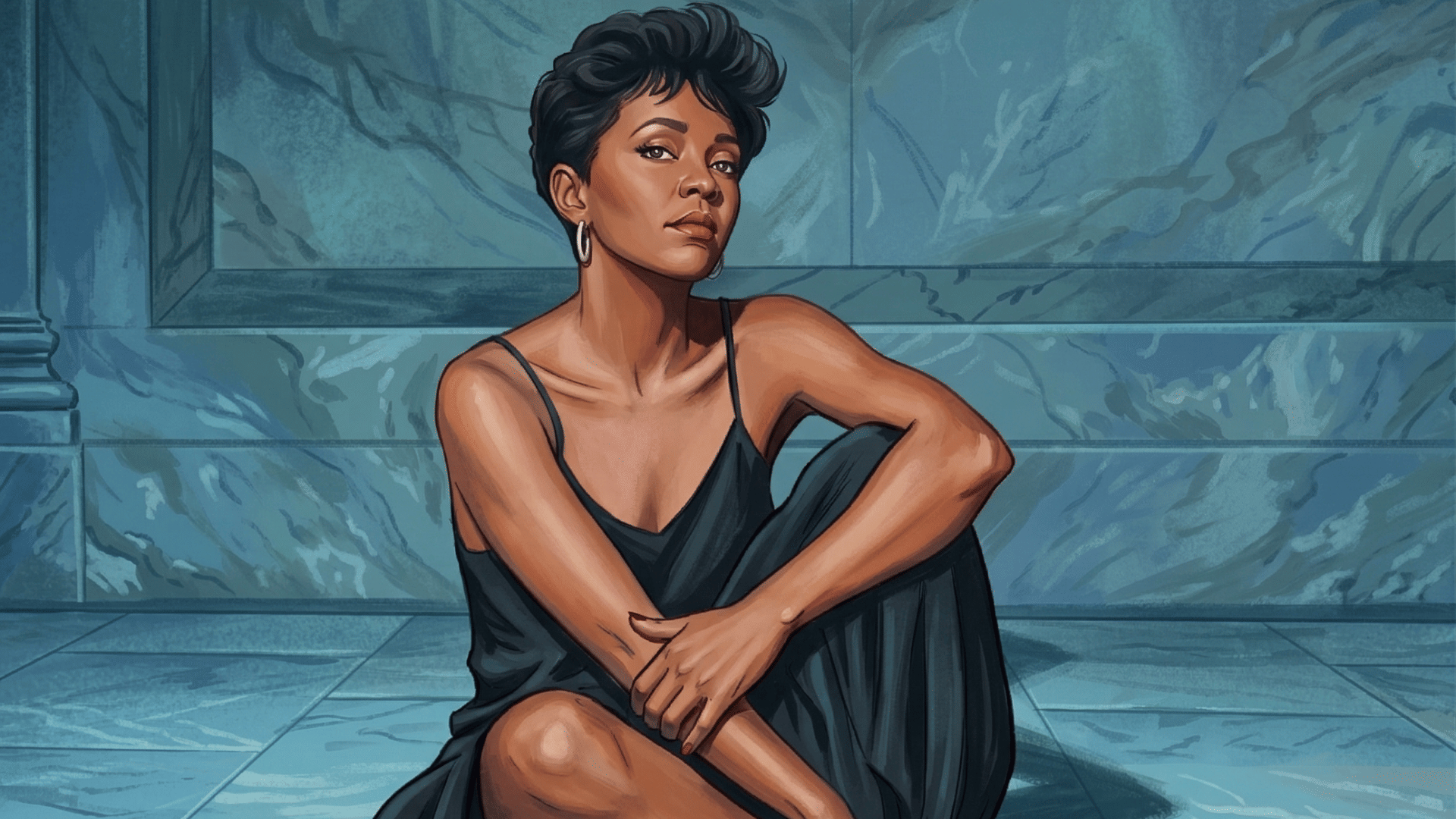
Anita Baker's Rapture: 40 Years of Auntie Music
Queue Points’ Anita Baker’s Rapture: 40 Years of Auntie Music revisits Baker’s journey from Detroit’s Chapter 8 through her battle with Beverly Glen Records and arrival o...
The first time you heard “Sweet Love,” you didn’t just hear a song—you felt the room change.
Maybe it was on a Saturday morning, when the day still moved a little slower and the radio lived in the background like a second parent. Maybe it was through a family TV that seemed to glow just a little brighter whenever Anita Baker appeared. However it happened, “Rapture” had that kind of presence: the kind that turned listening into a ritual and radio into a shared language.
In Black music history, certain albums don’t simply “hold up.” They become infrastructure. And Anita Baker’s Rapture is one of those rare records—an anthem of craft, a blueprint of crossover, and a reminder that the women who shaped R&B weren’t only making music; they were fighting to own it.
The album’s quiet power: precision, persuasion, and seduction
There’s a reason people remember the cover, the order of songs, the way the piano lands before the vocals even begin. “Rapture” opens with “Sweet Love,” and that opening isn’t filler—it’s an invitation into a specific emotional temperature. It’s smooth, yes, but not soft. It’s confident. It slows the world down on purpose.
By the time the tracklist starts moving—“You Bring Me Joy,” “Caught Up in the Rapture,” “Been So Long,” “Mystery,” “No One in the World,” “Same Ole Love,” and “Watch Your Step”—you realize the album isn’t trying to compete with the era’s volume. It’s trying to outlast it.
In the conversation about this record, one of the biggest cultural details that kept coming up was how her voice worked differently on radio. Anita Baker didn’t sing “high” like a lot of what mainstream listeners were trained to crave. She leaned into depth—into lower octaves, into a kind of intimacy that sounded like it was coming from the inside out. On playlists and radio formats that demanded brightness, her delivery brought a controlled hush.
“Anita Baker was like, ‘I’m going to slow this down.’”
—DJ Sir Daniel
That choice mattered. It gave R&B culture another emotional dimension—quiet storm feelings, but with deliberate polish. The record became a soundtrack for grown love and honest longing, the kind you don’t rush and you don’t perform for applause.
Before the release: the fight behind the sound
It’s easy to treat “Rapture” like it arrived fully formed. But the story has teeth.
Anita Baker’s path to this album included major industry friction—controversies tied to her earlier work and, most importantly, legal battles over her ability to leave a deal and release this project with the right label. In other words: even before the first note, she was already “coming out swinging.”
That context sits in the songs. Not because every track is about lawsuits, but because the album’s energy is self-owned. The performances don’t feel negotiated. They feel claimed.
"Anita Baker had to put on her boxing gloves and go to court so that she can get out of her deal. And be able to release Rapture on Electra records." — Jay Ray
And the hosts made the point that Anita Baker’s reputation—sometimes framed as “not so nice” by people who wanted women to play smaller—can’t erase what she built. Whether critics understood it at the time or not, she became “the people’s auntie”: familiar, iconic, and somehow both protective and demanding of standards.
Rapture as a “Quiet Storm” engine
Black radio has always had formats that shaped how people met music. The Quiet Storm wasn’t just a late-night schedule—it was a cultural promise: emotional music, carefully curated, for the end of the day and the beginning of private thoughts.
“Rapture” fit that world almost perfectly. Even when it wasn’t technically a “single” in the mainstream sense, songs from the album became staples—album cuts that radio programmers could place into rotation because the songs belonged there.
And that’s how a record becomes communal. Not by chasing charts alone, but by showing up in people’s routines—through local terrestrial radio, through DJs who believed album tracks could carry a mood.
When “Been So Long” plays, for many listeners it doesn’t just play music—it plays a memory of 1986: the year itself, the tone of the era, and the feeling that romance could sound like longing without apologizing.
Detroit pride in a love song jacket
“Rapture” also belongs to Detroit in the way certain albums belong to cities—not through slogans, but through sentiment and visual language.
One of the standout discussions centered on “Same Ole Love”. It’s a favorite for uptempo lovers too—because its groove travels well, including in New Orleans clubs where DJs would drop that beat under the song without hesitation. But the video also roots the record in Anita Baker’s geography: Detroit appears with warmth, as if love itself has a hometown.
That matters in Black music history because cities carry musical DNA. When artists document their home, they preserve more than places—they preserve continuity.
"She is the people's auntie. Still the people's auntie." — DJ Sir Daniel
Why “Rapture” still feels modern: Black women got choices
When “Rapture” arrived, R&B culture wasn’t sitting still. The era was shifting—hip hop bubbling, and R&B women becoming bigger pop presences. But Anita Baker showed up with something else: jazzy R&B elegance with a pop-era reach.
In the mix of visuals—other Black women dancing, performing, taking up space—Anita Baker offered a different kind of power. Where some performances were all motion and flash, hers was stillness with emotion. That balance gave Black audiences choices, and in the hosts’ framing, choice is empowerment.
It wasn’t just “aesthetic.” It was cultural permission—especially for women raising families while carrying the weight of economic and social pressure. A record like this didn’t only entertain. It helped people imagine themselves surviving with style, tenderness, and strength.
Watch This Episode
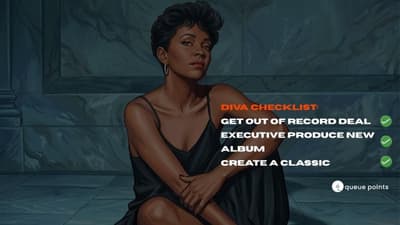
Anita Baker took on her record label, and then gave us Rapture! Auntie won!
Saturday morning, feather duster in hand, that piano intro to "Sweet Love" blasting from the living room stereo while the house gets right—Anita Baker's Rapture was every...
Press play, but listen deeper
“Rapture” went on to win awards and cross over. But its staying power isn’t only about recognition—it’s about endurance. It’s a no-skips album that still holds up because it understands something essential: love is layered, and sound can be both intimate and iconic.
So if you haven’t played it in a while, don’t just revisit it. Re-enter it. Put it on when the day needs a softer landing. Let the octaves do what they’ve always done: bring you into a quieter, truer place where Black artistry speaks in full sentences—piano, breath, and all.
Get the stories behind the episodes.
The Queue Points Insider lands every Thursday with what we're working on, what's coming next, and the stories that don't make the episode.
Subscribe Today