
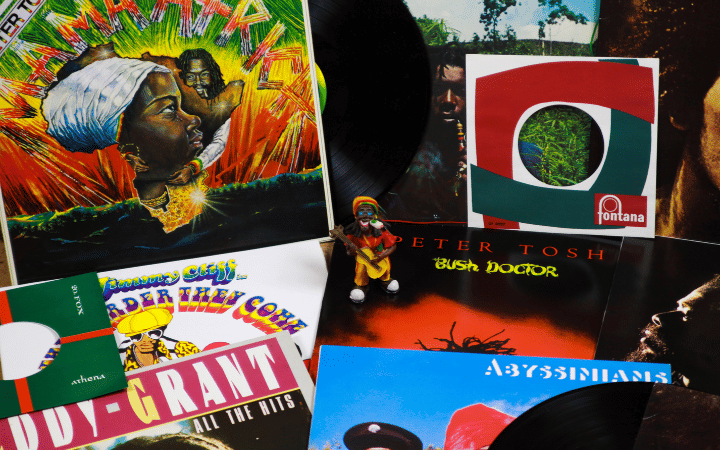
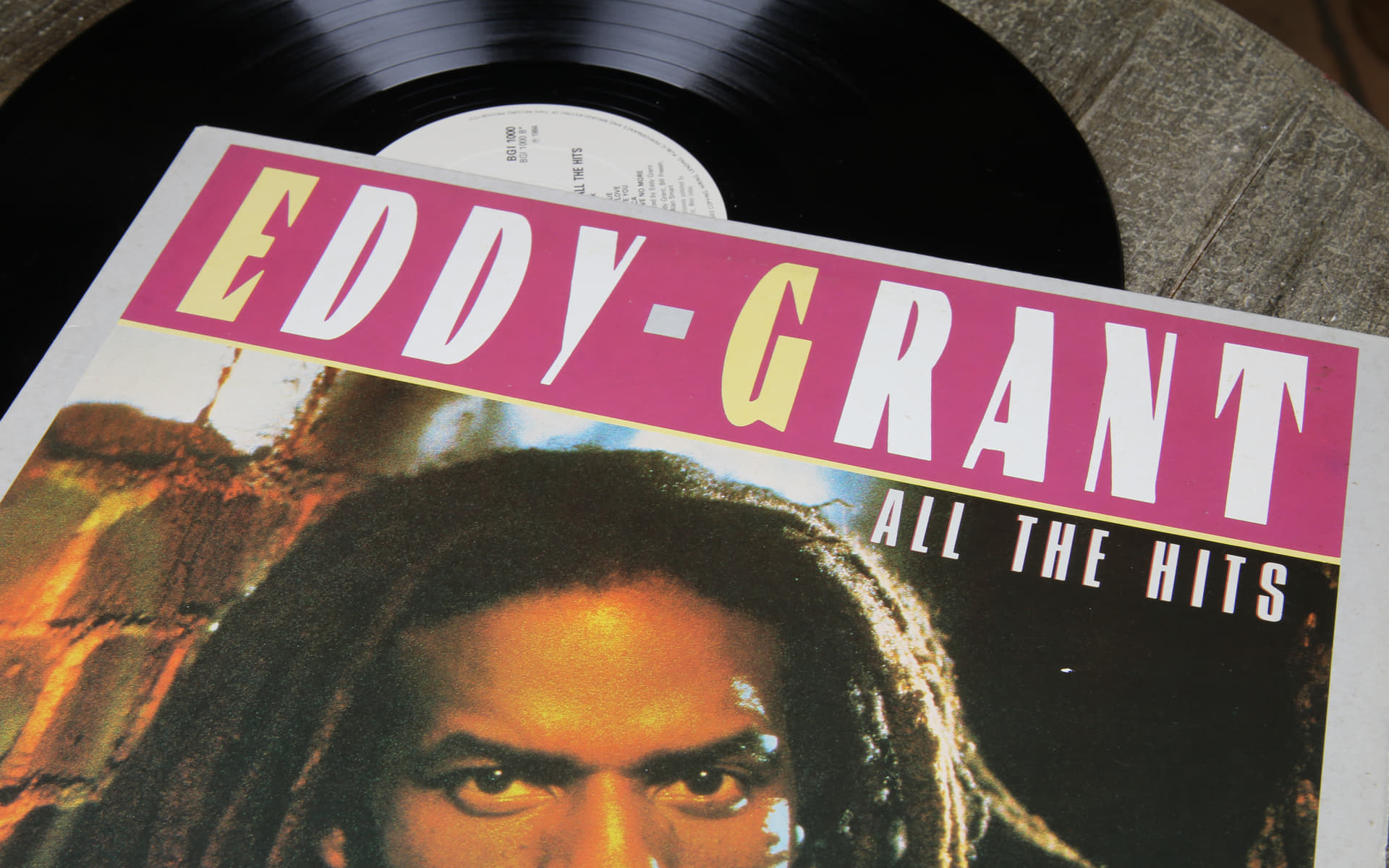
Viersen, Germany - May 9. 2020: Closeup of vinyl record covers from british reggae pop music singer Eddy Grant — Photo by mobilinchen
This post contains affiliate links. Making a purchase through links may earn Queue Points a commission. Read our Website Disclaimers here. This article was created with the help of AI.
The Soundtrack of a Global Childhood
Growing up in the 1980s meant mastering a musical vocabulary that spanned continents, cultures, and genres. It wasn't optional. When Billy Ocean's "Caribbean Queen" dominated summer 1984, when Musical Youth broke onto MTV months before Michael Jackson, when Eddy Grant's "Electric Avenue" married punk, ska, and new wave into an inescapable anthem, and when Junior's "Mama Used to Say" became essential listening—these weren't niche curiosities. They were the pop mainstream, and they expected audiences to meet them where they lived: at the intersection of Caribbean diaspora experience, British musical innovation, and American commercial success.
But we're in a moment now where many of these artists couldn't even get off the ground as pop stars. And that should concern us.
Caribbean Roots, Global Impact
The Windrush generation—Caribbean immigrants who arrived in Britain starting in 1948 to rebuild post-war infrastructure—created a cultural foundation that would reshape Black music worldwide. Their children and grandchildren, artists like the Trinidadian Billy Ocean and Guyanese Eddy Grant, didn't just make Caribbean music palatable for white audiences. They expanded what pop music could sound like, blending reggae foundations with R&B sophistication, rock energy, and production innovation that influenced everyone from hip-hop producers to contemporary pop architects.
Why These Artists Mattered
Billy Ocean alone racked up seven ASCAP Pop Awards between 1986 and 1989. His smooth vocal runs on "Suddenly" rivaled anything Lionel Richie offered, while "When the Going Gets Tough" dominated both film soundtracks and global charts. Musical Youth's "Pass the Dutchie"—a children's reggae group singing about poverty—sold over four million copies and earned a Grammy nomination. Eddy Grant wrote, produced, and recorded "Electric Avenue" independently, creating a protest song about the 1981 Brixton riots that somehow became a Number 2 hit in both the UK and US.
These weren't artists making "ethnic music" for specialty markets. They were defining the pop sound of their era, forcing audiences to develop broader musical literacy simply by turning on the radio.

Pop Music Diversity: Then vs. Now
Today's streaming monoculture tells a different story. Algorithmic playlists favor acoustic homogeneity—songs that sound similar enough not to disrupt the listening flow. Data-driven A&R seeks "safe bets" based on precedent, creating what critics call "streambait": music optimized for passive consumption rather than cultural impact. While streaming has enabled some cross-cultural success, the industry's structural biases—from unequal compensation to underrepresentation in executive roles—make it harder for artists from marginalized communities to break through.
The fragmentation of monoculture means fewer shared cultural experiences. Where 1980s audiences had no choice but to encounter Billy Ocean alongside Michael Jackson, today's personalized algorithms can keep listeners in comfortable silos. The very diversity that once defined mainstream pop—requiring audiences to know artists from different musical cultures and genres—has become optional.
Why This History Still Matters
This matters because musical diversity isn't just aesthetic. It's about whose stories get centered, whose innovations get recognized, and which communities benefit economically from cultural production. The Caribbean-British artists of the 1980s proved that pop music could be globally Black, sonically adventurous, and commercially dominant at the same time. They didn't code-switch to achieve crossover success; they made the mainstream come to them.
When we lose that expectation—that pop audiences should possess broad musical literacy spanning cultures and genres—we lose something essential about what popular music can be. The Caribbean Kings didn't just make hits. They made a more expansive, inclusive vision of pop possible. That's a legacy worth fighting to preserve.
Get the stories behind the episodes.
The Queue Points Insider lands every Thursday with what we're working on, what's coming next, and the stories that don't make the episode.
Subscribe Today