

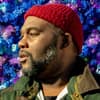

DJ Sir Daniel and Jay Ray reunite with Jason Randall Smith to unpack how trip hop and drum and bass grew out of Bristol clubs and London raves, with Black DJs blending hip hop breaks, reggae samples, and dub into new sounds. They share crate-digging stories from HMV shops, warehouse parties, and first spins of records like Massive Attack's "Daydreaming" and Goldie's "Inner City Life." The talk connects those UK scenes to Timbaland's flips on Aaliyah tracks and the remix culture that kept everyone trading ideas across the Atlantic.
The Breakdown
How did the Wild Bunch in Bristol spark trip hop? Jay Ray maps the early 80s crew Tricky, 3D, Daddy G, Mushroom, Nelly Hooper to Massive Attack's debut "Any Love" and Blue Lines, recorded at Neneh Cherry's house after she got them signed.
Why did trip hop marketing extract Black voices? Jason Randall Smith explains the 1994 Mixmag coinage, Portishead's Dummy shine, and how labels like Mo Wax positioned it as "safer" hip hop for introspective rooms.
What racism birthed jungle and drum and bass? Jay Ray details Black Jamaican-heritage DJs getting pushed from white raves, mashing reggae over fast breaks into gritty jungle parties, evolving into shinier drum and bass.
How did Goldie and Roni Size hook hip hop heads? Hosts recall Diane Charlemagne's vocals on "Inner City Life," Roni Size's "Brown Paper Bag," and Reprazent live shows that had crowds losing it on those drops.
Did Timbaland borrow from Everything But The Girl? Sir Daniel and Jay Ray link Walking Wounded's drum patterns to Timbaland slowing them for Aaliyah, turning UK underground into late-90s US hits.
Jason Randall Smith Bio
Jason Randall Smith’s longtime personal passions involve music appreciation, sonic curation, and media preservation. While attending the State University of New York at Albany, he volunteered at WCDB Albany 90.9 FM, hosting several radio shows as a DJ and producing promotional spots for the station. As a writer, Jason penned music reviews and long-form articles for Impose Magazine as well as podcast reviews for The A/V Club's Podmass column. In addition, his poem "A Lesson In Deterioration" was included in the book Soul Babies: Black Popular Culture And The Post-Soul Aesthetic by Mark Anthony Neal. Jason is the host and producer of Radio BSOTS (Both Sides Of The Surface), a podcast championing independent and Creative Commons music in a variety of genres since August of 2005. He is currently the music director at Bondfire Radio in Brooklyn, NY, where his curatorial duties help shape the sound of the station. Radio BSOTS has been broadcasting live on this station since February of 2015.
Follow Jason Randall Smith On Social Media
Facebook: https://facebook.com/bsots
Instagram: https://instagram.com/bsots
Twitter: https://twitter.com/bsots
Chapter Markers
00:00 Queue Points Trailer
01:02 Welcome Back Banter
02:59 Self Care And Loss
05:39 Support The Show
08:08 Crossover Event Plug
09:36 Trip Hop Setup
12:03 Guest Intro Jason
16:28 Trip Hop Origins Bristol
24:19 First Encounters Trip Hop
35:22 Marketing And Extraction
43:35 Drum And Bass Tease
45:19 Drum And Bass Discovery
48:29 Rappers Meet Drum and Bass
50:28 Jungle Roots and Racism
52:51 Jungle vs Drum and Bass
54:02 Goldie Timeless Breakthrough
57:13 Jason on Labels and Raves
01:02:56 Talking Loud Label Love
01:05:02 Miami Bass Connections
01:19:43 Remix Culture Revival
01:23:15 4Hero Soulful Drum n Bass
01:27:23 Future Risks and Influences
01:29:43 Plugging BSOTS Podcast
01:33:21 Honoring DJ Casper
01:35:06 Queue Points Wrap Up
Closing Show Notes Links
[00:00:00]
Queue Points Trailer
Jay Ray: If you love black music, you gotta check out
Sir Daniel: Queue Points. I'm Sir Daniel and I'm a DJ.
Jay Ray: I'm J. Ray, a
lover of black
Sir Daniel: music history. Join us as two music heads give you the lowdown on everything from the dopest emcees to hip hop and fashion Listen
Jay Ray: to Queue Points on your favorite podcast platform and check out our website at Queue Points.
com That's
Q U E U E
Sir Daniel: Points
dot com[00:01:00]
Welcome Back Banter
Sir Daniel: Hey, welcome back. Oh, am I am I? Yeah, you are.
Jay Ray: Are you in the frame? We lost Sir Daniel y'all There he is, there
Sir Daniel: I am, but check
Jay Ray: this out, we there you go,
Sir Daniel: listen, welcome back. Welcome back to another episode of Queue Points podcast. I am DJ Sir Daniel,
Jay Ray: and my name is Jay Ray, sometimes known by my government as Johnny Ray Cornegate, the third what's happening people.
Sir Daniel: This is Queue Points Podcast, dropping the needle on Black music history. And J. Rae, we are going to do just that on this follow up episode. Cause last week, I'm still, I still can't get over last week cause it was so dope. Do you know that right after that show, I found the 12 inch of Soul 2 Soul's, um... I'm missing you and I have been running it in the ground.
The remixes are so dope. The various versions are so awesome. I've been running that into [00:02:00] the ground. That sure was so awesome. And matter of fact, I think I have a clip that I'm going to share on social media once that show drops so that you guys can see it, but Jay Ray, um. How are you friend and, uh, what's been going on,
Jay Ray: man?
I am great. Actually. Um, not actually, I'm, I'm, I'm, I'm blessed, uh, generally. Um, but it's been an awesome week, um, where I've gotten the opportunity to learn some new things, do some new things, some new stuff that we have going on at work is really dope. We have so many things popping off as it relates to Queue Points that Man, that are just making me excited.
And so I'm feeling really good. And tonight Jason came back. Jason Randall Smith came back to hang out with us because we have so much more to cover. So all of this is good. So I'm feeling great. How are you feeling?
Sir Daniel: I am fantastic.
Self Care And Loss
Sir Daniel: At the same [00:03:00] time, I do want to implore everybody that's listening right now.
I want you to make sure that you're taking care of yourself because there's a lot going on. I mean, you know, 2023 hasn't been a slouch. There has just been a continuous wave of just, if it's not something political, it's something environmental. Um, we are losing other members of the community that have given us plenty of joy.
You know, just this past week, we lost Clarence Avant. Yep. The godfather of just Black everything. Black Hollywood, Black music. Yes. We lost him, we lost Magoo, who was, which, he was, Jay Ray, he was only
Jay Ray: 50. He's so, like, we're so close to his
Sir Daniel: age. That's the part that really got me. It's like, wow, he's not that much older than, than either of [00:04:00] us.
And, you know, I'm just, you know, feeling for Timbaland and for Missy at this time, because they were a very tight knit group. They already lost Aaliyah and they lost Static Major from this, from their super friends, from their musical family. And, um. But I do, I am happy to know that we are going to talk about the topic we're talking about right now, tonight on, excuse me, on this episode is directly linked to Timbaland and Magoo, you know, because their, their music, his style of production, their music is a definitely.
Yep. A continuation of the style that we are going to be discussing tonight. Matter of fact, there's some times that he interpolated a lot of what we're about to discuss tonight in his act. Um, and of course, I want to shout out to Delvec of Junior Mafia, um, passed away as well. And 50 because all of, we're all in the same age group.
[00:05:00] So I, you know. He may not be a name that you know, but he was a very, he was a very important part of, you know, hip hop history. So all that being said, I want everybody to take care of themselves. You know, we've got a lot of, um, Anti blackness all over the internet. And of course, you know, um, Tiffany Willis is being, um, threatened here in Atlanta because of bringing what's his name up on charges.
And it's just the whole lot. It can get very overwhelming. So that's why I'm saying, please make sure you take care of yourselves. Unplug. Yes. So listen to Queue Points though.
Support The Show
Sir Daniel: So unplug with us, unplug with us, you know, get away from all of that stuff that's been happening and, um, in, in order for that to keep happening, though, there are some things that you must do in order to support Queue Points.
Jay Ray, please tell them what those things are.
Jay Ray: Yes. Y'all please. Um, so one, thank y'all so much [00:06:00] for y'all continuous support. If you are here. watching or listening, however you are taking this conversation in, uh, hit subscribe, um, hit subscribe wherever you are and hit the follow, um, or the notification bell if there is one so that you can be notified when we go live.
Um, it is so important that the people in your life, your friends, your family, those folks that you love and trust know about Queue Points. So share the show as simple as Copying that link, sharing it to your platform so that folks know that Queue Points is live right now. That is huge. That's really the thing that helps this show grow, right?
Is y'all telling people about the show. Um, if you want to go a step further. And join the, the Queue Points family. You can visit our website at Queue Points. com. Click the subscribe button and you can become a member. Um, you can shop our store at [00:07:00] store. Queue Points. com. Um, and you should also join our mailing list. So if you visit, um, magazine.
cuepoints. com, um, that also acts as our newsletter, uh, you'll get a lot of dope stuff. Some behind the scenes stuff. There are so many things that we've covered in our last show. Um, and that will. Undoubtedly cover in this show, we're not going to be able to go real deep, right? Because we have a limited amount of time.
So there will be things that end up in the newsletter. So definitely, definitely sign up.
Sir Daniel: Well, that was a mouthful, Jay Ray. I hope they were able to take it in and I'm sure they will because we've got some really great people that, um, continue to support us, including Carlton. We see you in the chat. Thank you once again for continuous support for also for the wonderful reviews that you, um, provided.
On our, on the site on, for the, um, merchandise, but Jay Ray, as you mentioned, [00:08:00] Jason Randall Smith is back. Yes. We can't wait to chop it up with him. Um, excellent, excellent time speaking with him, but tonight.
Crossover Event Plug
Sir Daniel: Oh, before we do that, we got to let the people know that they got to tune in on Saturday because something really fun is happening on Saturday.
We are teaming up with our friends over at the white people won't save you podcast for a very special. A very special episode of white people won't save you, um, podcast and Queue Points crossover, because we are delving into a deliciously terrible eighties classic that you probably never heard of, but we are going to have a ball discussing that on Saturday.
Uh, what time should they tune in?
Jay Ray: Yo, so join. Uh, us at 5 p. m. Eastern Standard Time on the White People Won't Save You podcast discord. So here's how you get there. Go to our Instagram or go to our [00:09:00] Twitter. Um, and the link is available. So make sure that you join the White People Won't Save You discord server.
You can do it from your phone or you can do it from your desktop. Um, a lot of other people have discord servers too that you might be into. So, but join their discord server and we're going to be in the, um, the, the live watch. section, watching this film that I know nothing about except the trailer. And my God, I can't wait to see this foolishness, sir.
Sir Daniel: Daniel, like I said, deliciously terrible, cannot wait, but you know, what else has been delicious?
Trip Hop Setup
Sir Daniel: I've been really reveling in the, um, the. Hip hop 50th anniversary celebrations that have been going on all over the country, the, the fantastic show at Yankee Stadium, of course, in the, the major concerts that have been going on as well.
And every time I see somebody that has contributed to hip hop, I'm like, wow, I'm, I'm so thankful for [00:10:00] them. I'm so thankful for what they've done. Um, one of those groups, of course, is De La Soul. Um, I think about the UMCs. Yeah. And I also think about, um, uh, US three, you know us We're gonna us three. Yes. Us three.
Yeah. So we're going, and the reason, and they've come up because we are talking about trip hop and drumming bass on this episode of Queue Points. And. Drum and bass and hip hop are a direct offspring of hip hop. So it's only right that we talk about it. And we're going to be talking about it with our special guest, Jason Randall Smith.
He is also our cousin from up top. He's another one of our cousins. So listen, uh, get into this, um, this break.. That we're about to roll. And on the other side of the break, we will start to the discussion of Trip Hop here on Queue Points podcast, dropping the needle on black music history.
[00:11:00] Boom.
Jason Randall Smith: There are two types of people in the world.
Those who complain about the state of today's music and those who dig. I'm Jason Randall Smith, and I invite you to check out radio BSOTs, both sides of the surface. A music podcast, championing the work of independent artists from around the way. For the primary focus on Creative Commons licensed music, think of this show as a never ending virtual crate dig through a parallel universe of online labels, seeking out the hip hop, soul, jazz, funk, and electronic music gems that are often hiding in plain sight, and hopefully demystifying the world of Creative Commons along the way.
One song
Jason Randall Smith: at a time, you can find radio BSOTS wherever you listen to podcasts for more information Visit the website at BSOTS. com. That's B S O T S Dot com[00:12:00]
Guest Intro Jason
Sir Daniel: and we are back It's Queue Points podcast dropping the needle on black music history and that very soothing voice the
The urbane, the, the mysterious at the same time, Jason Randall Smith, our cousin, he's back, please welcome back Jason Randall Smith to the Queue Points podcast, Jason, how are you doing? Respect due to the Queue Points
Jason Randall Smith: crew, respect to the Carlton in the chat room, respect due to those checking us out live. I am so thankful to be back.
Had a real fun time. I'm very much basking in the glow of last week's show on UK Hip Hop and Soul. So I was extremely thankful, uh, to, to do that, to chop it up with y'all and to be back here for
Sir Daniel: another one. [00:13:00] You know, it, that, like I was saying to Jay Ray in the opening, that show brought back so many memories.
Like I said, I, it was kismet, I bumped into the 12 inch of soul to souls, missing you. And I've been running it into the ground and thinking about a lot about that music, that particular era, especially in the mid to late eighties to the early nineties, which was just so magical. And really, if you've got, if you have not had an opportunity, if you skipped ahead.
Onto this episode, this may be your first time checking Queue Points out, but listening, if you're just now checking out this episode, you must go back to the first part that's features Jason Randall Smith, as we're talking about UK hip hop and soul, you'll hear everything about from the cookie crew to, um, only love to level 52.
I've gotten into level 52. Uh, I've gone into, I went into a level 52, no, [00:14:00] that's level 42. 52nd Street.
I'm
Jay Ray: sorry. 52nd Street, which comes up in this. We got so much. It's all connected. I'm so excited about this. So,
Sir Daniel: so I went into a rabbit hole and didn't even know, and I'm, I'm well prepared for this conversation.
So, J Ray, let's take it away and just give us a brief history about how TripHop And hip hop got
Jay Ray: connected. Um, that's going to be, this is going to be an interesting conversation, but before we, before we do that, I just didn't want to do one thing. So Jason, I just want to revel in the fact that thank you for coming on.
You have been podcasting for more years than both Sir Daniel and I, you are here doing. a visual podcast with us, and this is your first time doing that. So we're so grateful that you trusted our space enough to make this where you come on camera for the [00:15:00] first time. Thank you.
Jason Randall Smith: Well, I mean, if I was going to do this for the first time, it just makes sense that.
I would do this with some heads that I considered very much sonic kindred spirits with every episode that I've watched, with every episode that I've listened to, you know, I've definitely felt like there was a conversation that I was having with y'all even before this moment took place because of the sonic and harmonic places and spaces that we've resided in.
You know, either with our headphones on or just the speakers cranked up to 11 in a private time, but there are those moments that connect us musically, be it, be it with certain songs, certain [00:16:00] albums, certain genres and subgenres. And then there are just some things within our personal crates that, you know, maybe those are the things that we only.
Know about, but then we can just sort of sit down in conversations like this and kind of, you know, quote unquote trade up with each other. Yes. So, yeah, if I was going to do this, this, this had to be the place this it was, it was meant to be like this.
Trip Hop Origins Bristol
Jay Ray: I say, listen, big up. Um, and y'all so Sir Daniel last week when we did the show, you centered us in something.
That is still really important as we talk about tonight's topics, and that is the connection of the folks. of Jamaican heritage to the styles of music, the entire Caribbean. You are absolutely right to the styles of music that [00:17:00] we're about to talk about tonight. So all of these artists, uh, that have some, some of what we're going to discuss.
So we're talking about Goldie and we got Roni Size and we got tricky. These are all folks of Jamaican heritage, right? One or both parents, right? And so, you know, what that brought me back to as I was preparing for this show, we were talking about like the Busta Rhymes, uh, honor. And you were like, some people are like questioning Jamaican's connection to hip hop.
And I'm like, and we were confused at the time, even more confused as we began to dive into the history of these styles of music that we're even going to talk about because these folks are. Right there at the center. Reggae is right there at the center of these things. Right. So I just wanted to acknowledge that before, um, I give kind of a brief history of trip hop, this is the briefest history of trip hop ever.
And there's a reason why it's brief too, is because the foundation [00:18:00] of hip hop really sits. with one group in a place and a time. And then it kind of branches out from there in this very direct way. So the origins of hip hop, I'm sorry, the origins of trip hop, um, go back to the early eighties in a, in a, in a city in England called Bristol.
Um, in Bristol, England, apparently Bristol, England is just kind of a laid back place where there's a lot of creative folks doing a lot of interesting things. And, um, What would happen in Bristol, and Bristol is kind of known for this, is their creatives would come together, um, and play hip hop in underground clubs, because that's what you did in the 80s, right?
And so out of these, uh, out of this, this, this moment, um, there was a crew called the Wild Bunch, and they were like a combination of things. [00:19:00] They were of course musicians, but they were also just kind of like artists and filmmakers and just folks coming together to generally be creative. So here are the members of the wild bunch.
Tricky. 3D, Nelly Hooper, Mushroom, and Daddy G. All of these names are related to what we talked about last week too, in some way, shape, or form. And I'm gonna bring that all around. So... The Wild Bunch happens in the early to mid 80s, and they break up in like 87, 88. Well, Nellie Hooper goes on to become a member of Soul2Soul.
Nellie Hooper co produced Back to Life and all of that stuff that we love. Nellie Hooper, who was part of the Wild Bunch, was part of... was part of Soul to Soul, right? So there's one direct connection. 3D, [00:20:00] Tricky, Daddy G, um, and Mushroom, they go on to found this collective called Massive Attack. It's just a group of
Jason Randall Smith: producers.
They produce
Jay Ray: together. Now, here's the thing. Very few people have heard this song. I didn't hear this song until in the 2000s. Jason, I'm curious to know if you know this joint. But, Massive Attack's first single. Was any love, which is a remake of the Rufus song, any love super rare came out in 88. If I played any love right now For us we would be floored like the joint sounds like Year 3000 today.
So in 1988, I don't even know what could have produced that sound because it's the [00:21:00] combination of samples. It's the vocal layering. It's just the general dopeness and weirdness at the same time. It's like hip hop, but like trippy. It's like hip hop, but like trippy. Like with a, with a R& B. In there crazy. So go to YouTube right after this show and play any love by massive attack.
It's their debut single. It's nuts. Let us know what you think, by the way, after you listen to it. So. One of those people that used to hang out with the Wild Bunch is an artist who we talked about last week. Her name is Neneh Cherry. Neneh Cherry name checked the Wild Bunch in Buffalo stands. Neneh Cherry walked massive attack into their record deal.
She literally ushered them right in to the record deal and was like these dudes [00:22:00] signed them, their, so their debut album. Blue Lines was basically recorded at Neneh Cherry's house. So, the foundation of TripHop has all We got a Soul2Soul layer, we got a Neneh Cherry layer, we got This is building right to this thing.
So, Blue Lines drops in 91. I remember when I first heard it, we're gonna talk about that in a minute, but it's a mashup of musical styles, but hip hop is at the foundation, right, so you have, you have the sampling, you have the beats, you have all of that stuff that you would get in hip hop, but what's dope is, you got all of this other stuff, like, that's happening with it, too, that makes it special.
Um, Also, and I didn't know this, but I was watching a video on Trash Theory, which we'll put the link to [00:23:00] in this show description. But this album is one of the earliest examples, and we talked about this not happening last week, but Blue Lines is one of the first times when a person with a British accent raps in their accent on an album.
I remember when I heard that and I thought it was we I thought it was like Oh, even though we had slick Rick, so it shouldn't have been weird, but there was something I wasn't connecting. Like I said, I think last week I wasn't connecting slick Rick like that, but Blue Lines becomes a record where this happens.
And anyway, um, this record becomes the basis for trip Hop. This is the foundation. Trip Hop does not exist. Trip Hop isn't even coined until 1994. This record came out in 1991. Nobody says the word trip hop until 1994, but it's this [00:24:00] album that jump starts that where people are like, yeah, I want to do more of this, please.
So that's the brief history of trip hop. Um, Jason. I want to bring you in.
First Encounters Trip Hop
Jay Ray: Um, this is 91. Um, as much as you can, what, I don't know how much you remember of when you first started to hear this style of music. Or when that was, but what were you into in 91 and what were, what did this kind of style of music?
When do you remember first kind of connecting with it?
Jason Randall Smith: 1991 would have been De La Soul, would have been NWA, would have been Third Bass. In
terms of hip [00:25:00] hop, I was running their albums into the ground.
In 91, my obsession with Frank Zappa was starting. So because of that, you know, I think it's important to note that my musical bookends I got Frank Vincent Zappa on one, on one side, and I got Prince Rogers Nelson on the other.
Jay Ray: Wow.
Jason Randall Smith: So that basically means that, you know, when you're listening to just one of those artists, nevermind both, but if you have both in your life, they're kind of getting you ready for just about anything, because both of them as American composers are.
Expanding your mind to the idea of what's possible in the world of [00:26:00] music. By the time I understand who Massive Attack is, I know it's after 91. I'm getting a little bit of it because I'm just starting. I mean, fall of 91. I mean, that's freshman year of college for me. So I'm just getting into, you know, some of the things.
Um, that, that, that are coming out, that would lead us down this, this, this trip hop road. In one of our off mic moments last week, Sir Daniel mentioned The group fresh for who's also very much related to the whole wild bunch circle of friends. Matter of fact, some of those guys that were in that group, I think at least one, if not two actually go on to be in represent with Roni Size.
So it [00:27:00] all, so it all kind of connects together. So fresh for they've got that, um, cover of Rolls Royce is wishing on a star. You know, and it's basically, you know, it's, it's the, it's, it's the funky drummer loop from, from the guy who should have been the richest drummer alive, say, you know, so Mr. Clyde's double field on a lube and you've got those eerie opening chords of phases rang high.
And a vocalist singing those, those, those words from Rolls Royce. So, you know, that's one of the first things that I, that I, that I would have heard within the wild bunch umbrella. That was that smoked out slightly left of center. Kind of abstract and surreal tape on soul and hip hop coming from across the pond.
Yeah, [00:28:00] my first instance of Massive attack is daydreaming from Yeah, so that's my introduction. That was really my introduction to to massive attack and my introduction to tricky
Jay Ray: that was the song that was people like who is this guy like rapping in a This British accent, like unabashedly daydreaming.
Wow.
Sir Daniel: And, and I would say as far as the accents are concerned, Jay Ray, I just thought about this. So like, I think people in the UK, especially if we're talking about London, England, I think their accents vary from district to district neighborhood. So whatever, I think there's like, you know, you have people who.
Speak real cockney and cockney is a really broken and hard kind of way of speaking. And I think Slick Rick, [00:29:00] probably his, his accent, his accent was there, but it wasn't that heavy. If you think about it, it was just a really smooth, you know. laid back kind of way of rapping. And it wasn't like over, over your head.
Same thing we discussed with Moni Love and how she, she spent a lot of time in Brooklyn. So she had a lot of Brooklyn, New York, um, girls to mimic before she was even conscious of it. But you're absolutely right. The Wee Papa girls, the Wee Papa girl rappers, very straight up British accents. So you can, it's definitely, um, a difference that you hear.
And I just wanted to chime in on that. I'm thinking back about my connection to trip hop. And I think I, I think I noticed it specifically when delight hit the scene and they collaborated a lot with, with Q tip. And, you know, they, it, [00:30:00] I started hearing more of those DJs up front, DJ. Produced tracks, and they relied heavily on breakbeats so that they always had that hip hop connection.
So just like Jason was speaking about the, um, definitely the, um, uh, fresh for international be, you know, a lot. The dub be good to me, those kinds of songs were always kind of in my repertoire in my, in the canon of stuff that I was hearing, but I really did not pay attention to it until years and years later, until I started working at HMV record store, HMV for whatever reason, HMV was like the, the, the spot for me, it was like an awakening for me working there because I got exposed to a lot of different.
Sounds a lot of different tunes and, um, and made quite a bit of different friends and, you know, [00:31:00] working alongside certain people. That's when I started hearing things like the gorillas, uh, more cheap, uh, yeah. Hero is sterile. Of course, Bjork, uh, Lustrous Jackson, you know, the list goes on and those, uh, Even the Beastie Boys on a larger scale brought a lot of that trip hop sound to the main, to the main stage, but a lot of their remixes, a lot of the remixes is where those DJs and producers really shine when they got a hold of Um, mainstream rap music, rap songs, and then flipped it into something of their own.
I think what, you know what, one of the very first, I almost forgot about this and I saw this earlier today and made me remember it. One of the very first, um, versions of like a trip hop record that I can clearly recall that made a huge impact and crossed over was DNA's, um, flip. [00:32:00] Of Susanne Vega's Tom's Diner.
That was, that was massive, massive, massive hit. Um, became a massive hip hop hit when Nikki D touched it and turned it into Daddy's Little Girl. So it's kind of always been around and that's been, that was kind of like my through way into, to trip hop. I mentioned UMCs and, um. you know, who actually he was that, uh, he was down here in Georgia, not to one of the members of UMCs was down here DJing at an event.
But anyway, um, yeah, groups like that. We think again, we think day last soul and the native and the native tongues posse for creating that environment for rocking, you know, the day glow. Colors and the weird shirts, the quote unquote weird shirts, taking off the gold chains and putting on the beads and, you know, creating this atmosphere where people felt comfortable to, to delve into these [00:33:00] different sounds when we were discussing the flavor unit compilation, you have amber sunshower.
On that,
that continuation. Oh, Amber Sun
Sir Daniel: shower. Yep. So, you know, so we, and grew, well they were Groove Garden. Yeah. They were called Groove Garden at the time. Mm-hmm. . So you had these different, um, these different amalgamations of this type of music that were getting bits and pieces here and there. Yeah.
But I think it, it's like definitely the mid nineties when, to be honest, it just took a lot of, it took a lot of white artists. To be put in the, in the forefront for a lot of these things to really, really blow up.
Jay Ray: You know, it's interesting that you mentioned that because one of the, um, One of the early examples in the United States of an artist who used this as a way to come back was Madonna.
Bedtime Stories, uh, that record. Nellie Hooper [00:34:00] did songs on Bedtime Stories. Um, and so. This was a musical style that kind of, and for me was refreshing. So Jason off air, I said something to Sir Daniel on Sunday, and I was like, you know, I think one of the things that drew me to trip hop was hip hop in pop in, in pop music was becoming so much one thing.
Like it had moved from, you know, all of this kind of experimental. And an opportunity to, um, all the stuff on the West coast and what was happening there. So I felt like everything was G funk at one point it was either G funk, boom, BAP, or like a jazz thing, hybrid. It was like, you was going to get one of three things in hip hop at the time.
And I think the thing that drew me to this was. [00:35:00] Not only was it hip hop at its foundation, but it had all of that soul flavor. Um, so it still brought me back. It connected me to history, but I felt like it was more in line with the hip hop that I liked versus what hip hop was becoming at the time.
Marketing And Extraction
Jason Randall Smith: Interesting thing about that particular period and, and particularly when it just felt like things were moving full steam. With the trip up and down, say 1994 to 1996, like when it all just hit, especially with a lot of stuff that was coming out of the UK at a time and labels like Moax and Ninja Tune, they were, they were as much as they were championing their own homegrown sound.
They were still those artists that they were reaching out to, [00:36:00] um, that, that, that were on the state side. In terms of a, in terms of a sound, it's, it's all establishing a mood and it's establishing a mood in a way that, that suggests that they're going back to an era of hip hop where the DJ was at the center.
Yes. You know, after a while with hip hop, particularly as it became more popular here in the States, and it became clear that number one, it wasn't going anywhere. And number two, the music industry had to find their angle. Their angle was the MC. They
Jay Ray: had to, they had, they They had they had
Jason Randall Smith: to get the, the, the, the front man and women to make sure that. They had that thing that was marketable [00:37:00] and the more that they had the thing that was marketable, the more they could package how this thing was supposed to be. Marketable. This music was supposed to be marketable. So if it became so, if it became so much of the same old, same old after a while, you know, it clearly, clearly that that had at least something to do with it.
So here comes in this thing that's being ushered in, that's being offered to us. As trip hop, as that something else, and when there are those lyricists, it's not as if they're in your face, it's not as if they have to be loud and brash and obnoxious. It's these hushed whispered tones bringing you this verse almost in some cases to the point of where you almost feel guilty for listening in because you feel like you're ear hustling.
Yeah. It feels like he's dropping because the, the, the tones are so hushed, but then again, [00:38:00] you have these, you have these hypnotic. These hypnotic and subtle grooves that are taking their cues from dub that are taking their cues from the softer sides of soul that are taking their cues from more esoteric moments within hip hop itself.
So it's not as if the vocalist had to be this, this dynamic against the music that was, that didn't really have much of a place to, to, to, um, To be combative with the music, if anything, it wanted to blend in or be just a baby hair above where the music was as beautiful as that sound. And as beautiful as all of that sounds, you know, marketing's going to market.
So,
Jason Randall Smith: so even [00:39:00] with, so even with that, you know, it's 1994, as you said. It's Andy Pemberton in MixMag Magazine who drops that term trip hop and basically, you know, frames it in such a way. As you know, this is for the listening room. This is for the heads. This is for the, this is for the, the, the introspective moments of life.
And if you want to get smoked out, there's that too. Shout out to smokers delight by micro by nightmares on wax. So,
so there's that.
Jason Randall Smith: So at its, at its best marketing moments, it's that right. But in it's not so great moments, there's offering up the idea of trip hops for those who want to get into hip hop, but needs to hear something safer, who need to hear something with the black voice extracted.
Ooh. Oh,
Jason Randall Smith: there's [00:40:00] that. Oh.
Jay Ray: Ooh. Okay. This is a great entry point 'cause we're still in 94. Mm-hmm. . Yeah. Oh. Uh, one of the most important albums in this cannon is Portis Head's dummy, which by the time we get to Portis Head three, we realize, oh, this is just kind of like a rock band who did. Who did two albums like this, but this is like three is like, this is who they really are.
Right. But listen, talking about that extraction, right. For me was also like this expansion. I felt for me, Portishead's dummy was like, it blew my mind because I'm like, I'm literally listening to at its foundation, a hip hop album with this white, Folky voice on top of it singing lyrics that are [00:41:00] kind of weird.
It's a little scary. The videos are strange. The cover doesn't make sense, but this is the greatest thing I've ever heard. And then we have Bahama Dia, who I remember in an interview was like. No, like Portishead's dummy is like my favorite thing that I'm listening to and I'm like, okay, so it's not just me This album's really really good
Sir Daniel: Cuz like you could throw on joints from those bodies of work and the heads the hip hop heads would automatically start nodding Like, they've mastered the head nod factor of these, of these particular bodies of work.
And that is the essence of hip hop that they extracted. And that's how they pulled us in. [00:42:00] That's why we were like, Oh, like I remember when I first, um, heard Bjork's homeogenic.
Yo,
Jay Ray: yo, Nelly Hooper again. Yo,
Sir Daniel: that album from front to back is like. You know, you get the stink face, and you're like, and Bjork is singing along, and her, I, I, you know, her very Icelandic accent, and very, you know, almost infantile kind of voice, but very strong lyrics, and you can't help but to nod along to this, like, oh, this is, you know, this is kind of, this is crazy right here, and you also have, People like Beck coming along and doing his thing, you know, in the confines of trip hop, but expanding it as well.
And, um, yeah, I just think that this type of music, Jason, you hit it on the head about extracting the black voices, because that's just a. That's just an ongoing theme that we've pulled, we've [00:43:00] pinpointed on Queue Points throughout the years of us doing this show, is that we will create something, we'll master it, but then other people will come along, sample it.
And do it to the best of their capability and garner so much more praises and garner awards and more money than a lot of the black voices, the black creatives that actually started it. So that's just, thank you for that, Jim, because you just, you really. Um, kind of cemented what we have been talking about here on Queue Points.
Drum And Bass Tease
Sir Daniel: And, um, when we come back after this break, cause we're up against a break here. We're going to delve into drum and bass. And
Jay Ray: full circle again,
Sir Daniel: comes full back, comes full circle again. And Jay Ray just mentioned one of my favorite, one of my favorite female MCs, dope, just a dope MC period. Mahamudia and how.
She kind of [00:44:00] pulled me into the whole drum and bass thing. And we'll talk about that more on the other side of this break, but this is Queue Points podcast. I'm DJ sir. Daniel J. Ray, that's that's Jay Ray. And we are joined by our very special guest, Jason Randall Smith. And when we come back, we're going to talk more about the drum and bass connection to hip hop here on Queue Points podcast, where we are constantly dropping the needle on black music history.
We'll be right back.
On October
Jay Ray: 21st and 22nd, join indie podcasters from all around the world at the fifth annual AFLOWS Audio Podcast Festival, the first two day conference for and by black indie podcast creatives and audio professionals. This year's conference will be held at the
Sir Daniel: Reginald
Jay Ray: F. Lewis Museum in downtown Baltimore, Maryland, or virtually on the Hoover Event App for exclusive online sessions.
Stay with us at the Renaissance Harbor Place Hotel and experience two days of panels, workshops, networking opportunities, [00:45:00] and live entertainment for aspiring, new, and established podcast creatives. Don't miss one of the most anticipated events in the podcast industry. Committed to community and collaboration since 2019.
Learn more and purchase your tickets at afrosinaudio. com
See you there.
Drum And Bass Discovery
Sir Daniel: It's Queue Points podcast. We are back still dropping the needle on black music history. DJ Sir Daniel here alongside with my co host and music soulmates, Jay Ray and our cousin, Jason Randall Smith. We are here talking about. Trip hop and drum and bass and before we left for the break, we were talking about drum and bass and how I was sucked now.
Okay. So yes, Bahamadea. I'm going to get to Bahamadea shortly, but I have to give a shout out to, um, there. My friends, uh, Heather [00:46:00] and her partner at that time, Okori, this is in the, this is like 96 and I was over at their house and they were like, yo, so Daniel needs to hear this. So then, Oh, have you heard of, have you heard of Roni Size?
And I was like, Roni Size? No. What was that? Oh, you got to hear this. You got to hear this. And they throw on. Uh, brown paper bag.
Jay Ray: Yeah. Completely
Sir Daniel: blows my mind from the very, the first
I mean, I'm like, what's happening here is it's right. It's a very anxious beat. It's very, it's aggressive. And then. But, Ronnie sauce comes in, do you think that you can hang same when you think you're the thing and it's so smooth, it's so laid back and I'm just like, yo, what? [00:47:00] I need more of this and, and then I, then I hear more about this.
Okay. Yeah, this is drum and bass. Okay. Y'all kind of like that. Then another friend of mine, Rodney turns me on to Piscicato five and I'm hearing that the doubled up, the doubled up beats and it's just, I'm like, okay. I really liked this. This is really fun. And I'm going to enter different stores. It's like, I'm going, you know, visiting little five points and going into, um.
satellite records back in the day, if you remember satellite records, they had a huge drum and bass and dub collection and they would always be playing it. You would go into the wish wish store and they were playing drum and bass over the air and I'm like, wow, this plate, this thing is really taking over and it's, it's It's super danceable, but it's some, it's something just so dope about putting a drum and bass beat over a melody.
And then like, just [00:48:00] completely changes it up one. And then one time on that same Piscicato album, Piscicato five album, the world, I can't remember the name of the title, but it is the world turns it something, something that's a great description. They have, uh, uh, a rhythm on there that is the same rhythm that Missy Elliott at the time is killing the game for um, I Can't Stand the Rain.
Super Duper Fly.
Rappers Meet Drum and Bass
Sir Daniel: And so I'm something, oh. So Timbaland is in tune to this movement here, this musical movement. And so I'm like seeing all of these connections, like, Oh, the hip hop heads, a lot of the hip hop heads are really into this and are making a coin overseas, then enters, um, Bahama deal with her BB queen release.
And who is she, who does she have a track with? First of all, she's on the Roni Size album,
Jay Ray: right? On the, on the title track, [00:49:00] new
Sir Daniel: forms. new forms. And then she does, she drops a BB queen where she does some more. She's rapping at like this unimaginable rate that only she can do in the, in the hushed, but very controlled way that she raps that only she can do.
And she's like still holding your attention. And then I also hear her on, um, sweepbacks album. So I am completely wrapped up in. Like all things that might have a little drum and bass to it Where our rappers kind of leaning into this new form and and giving a little taste and you start hearing little bits and pieces In it in United States hip hop.
Yep. So we are continuing our conversation on that on hip hop's relationship to drum and bass and j ray Jay Ray is about to hit us with another brief history [00:50:00] of D and B. So yeah, what's the, what's the, what's the ballistics
Jay Ray: G yo, I'm going to kick the ballistics G yo. So drum and bass is everything that you basically said to sir, Daniel, like the beautiful thing about it.
is you have these really hard beats, the drum and the bass, and you put these beautiful melodies on top of it, right?
Jungle Roots and Racism
Jay Ray: So the history of drum and bass, though, when you trace it back, it traces back to Jungle in the UK. Now, here's the thing, Jungle in the UK emerges basically out of racism for real. So in the eighties, during the time when the wild bunch of all these folks is doing the thing, like all these raves are happening, right?
The raves in the UK, that's how house music becomes real big over in the UK right now. [00:51:00] Quiet is kept. Initially they didn't want that over there either. They didn't want that black. It was, they used all the terms. They didn't want the black gay music over there. They didn't want that. At first. Right. But anyway, the DJs in the clubs, in particular, the black DJs, the black DJs are like, you know, they're, you know, Jamaican heritage.
They want to play some reggae and put the, put the beats with it. The white people was not about it. They was like, we don't want that. We don't want that. So what the black, what the black DJs were doing is like, well, let's have our own parties. And what we're going to do is we're going to do our mashups.
We're going to take our reggae. And this and these, uh, these, these fast rave drum and bass tracks, essentially, and we're going to mash them up and we're going to make something. So we're going to do what hip hop does. We are going to make blends. And we're going to play them at the parties. And it went.[00:52:00]
Crazy over there. So jungle became the quintessential black music in the UK for like a period of time. So you went and essentially what they were doing is you could get your Anita Baker sample on top of a, of a drum and bass track. Right? Um, but it was real dirty and it was real gritty. But it really did emerge out of black folks wanting this type of dance music for us that we could dance to and we can relate to.
And the way they translated that was first through reggae and dub. into this style, right? But it's gritty. It was fast, all the things.
Jungle vs Drum and Bass
Jay Ray: Now, the question might be, what's the difference between drum and bass and jungle? The line is real, real [00:53:00] blurry, but here is the difference. Um, jungle, I talked about the importance of sampling, the importance of the sample being there.
So you're sampling a specific song that you might know. That's the foundation. Whereas. And drum and bass. We're doing the thing that Sir Daniel was talking about is you still got you're gonna take the drum and bass out You're gonna take the beat and then you're gonna throw on top of it something else some other new melody so what drum and bass becomes is like A shinier, shinier version of jungle.
That's also it's distinct because it's not, it has the same sort of foundation, but what's sitting on top of it is something different and that style So that's the history of, [00:54:00] of how drum and bass emerge.
Goldie Timeless Breakthrough
Jay Ray: So drum and bass emerges in that 94, 95 timeframe during the same time, when we're talking about the trip hop stuff, these clubs in the UK are going crazy, uh, on the jungle, but then we get Goldie.
And this drum and bass sound beginning to happen. And so for me, this means a lot. So I first, I know what it was called. I first got put on to drum and bass when I heard these lyrics. I'm just read these lyrics. And I'm going to tell you what it's from. Come to me in those open arms is where I want to be living free.
I need to be, I need to be your love living free. I long to be, I long to be your love. Inner city life, inner city pressure. That is [00:55:00] inner city life. From Goldie's debut album. So you get this woman, Diane Charlemagne. I saw the video on like video vibrations or something. You got this beautiful vocal. This woman is singing those lyrics.
These are gorgeous lyrics. Halfway through the song. Like the beat is crazy. And I'm like. Wait, what just happened? And it, it was one of the, it still brings me to a time. I played that song today. It literally situates me in a period of time where nothing else matters, but that sound. And I feel comforted because I have this black woman singing to me and she is singing about love and I understand that.
And. [00:56:00] It also allows me to be on the dance floor too, which is another place that I really love to be. And so that was my introduction to drum and bass. Like I said, I didn't know what that was called then, but I wanted that. And so that Tricky's first album, that Timeless album, the first song on that album is like 20 minutes long y'all.
I had never heard Nothing like that before. Well, I, I mean, I had because I listened to Funkadelic, but it wasn't, you know, but it wasn't that fast, you know what I'm saying? So anyway, that's one, the history of drum and bass. That's how I got like enveloped into that sound. Um, Jason, talk to us about that for you.
I saw your face when I started reading the, uh, the lyrics for inner city life too. [00:57:00] Um, so I know you understand that feeling that I'm talking about as well.
Sir Daniel: Where did you go? Cause you went somewhere when you, when J Red was reading that Jason.
Jason on Labels and Raves
Jason Randall Smith: That's a really, really special song. And at the same time, I'm thinking to myself, eternal respect due to the memory and living legacy of Diane Charlamagne.
Yes.
Jay Ray: Yes. Oh my God. Rest in peace.
Jason Randall Smith: Yes. I mean, that, that voice is just, it just, it threw so much and to have that voice singing to you and soaring over these ferocious breakbeats and filling in the silence are just these ambience swells, these chords. There's something really, really special happening on timeless throughout that whole album.
And I do think in, in, in addition [00:58:00] to Goldie and in addition to sister Diane Charlemagne, shout out to Rob Playford, who was one of the most easily one of the busiest dudes in drum and bass at the time that this was happening, because he was the guy who was engineering a lot of that stuff, did a lot of engineering work for timeless, did a lot of engineering work for a lot of people.
Um, he was a DJ, he was very deep into the music. He ran his own label, Moving Shadow, which I was learning a lot about during the time that uh, that Timeless dropped. But Timeless was my introduction to not only Goldie, but uh, the Metalheads label that he was very much a part of, a label that is still around.
It's crazy to think that some of these labels have been around for, you know, going on thirty years now. You know, one of these other labels, V Recording, shout out to Brian G, [00:59:00] I mean, they've, they've been touring on like 30 years of V Recordings right now, doing a whole bunch of different parties and events.
So this, this, this music. There's always going to be a place where this music, the closer we got to this conversation, the more I kept thinking to myself, drum and bass keeps you young, drum and bass keeps you young. There's just something about how that music moves and whether you're talking about someone like say LTJ bootcamp, who for me is one of the quintessential examples of.
The ferocious, chaotic nature of how the beats are moving and how you have this atmospheric wash of beautiful sounds and chords and harmonies and melodies that are working in conjunction with these beats. [01:00:00] So you have someone like that in drum and bass and then As you were talking about with Jungle and the various samples,
you know, during this time, during the time that, that, you know, that this, this, this music was really taking a hold within the UK and there were pockets of places in the States where you could, where you could hear this music all night. You know, I already had one foot. In the, in, in the warehouse parties. I had one foot in the raves, you know, getting into techno, getting into house, but it was jungle.
It was drum and bass. It was just like, oh no, you belong. Come on in . Mm, you, you belong. Come on in. Because there was, there was musical morse code that was happening. Yes, I was hearing the stuff that was being sampled in hip hop. I was hearing the soul and the funk and sometimes the rock, and it was being brought to me in this new.
Rhythmic context. And if you're a student of the drum [01:01:00] of at any level, this music is speaking to you. I was hearing certain breakbeats. I was hearing Dennis coffee, Scorpio.
And then, and, and in the drum bass world, you know, you're just speeding that up. You go straight over to Roni Size and Reprazent's share the fall. It's boom.
So it's right there. It's, it's a, it's, it's a musical morse code for anyone that, that delves deeply into hip hop. It's. Spending time with all this stuff that's being sampled circles by Adam F. Sampling Bob James is West Chester lady. Like how many times have we heard West Chester lady in a hip hop context?
And now I'm hearing in, in this [01:02:00] atmospheric drum and bass context. For me, that's, I mean, for me, it's right up there with Goldie's inner city life, because it takes me to a place immediately, immediately. One of the most exciting moments at a central park, some stage show. Was watching Roni Size and Reprazent.
In the park and when the baseline started up for brown paper bag, we lost it. We lost it.
Jay Ray: That was a moment. Yo, see, like Carlton in the chat is like, yo, this is very therapeutic, right? Musical therapy. It's that thing. It's that thing that you're talking about. Jason. It's that thing. Sir, Daniel, that you're talking about.
Um, Okay. Let me see what time it is.
Talking Loud Label Love
Jay Ray: I want to do a quick detour, just a quick detour. I'm about to, uh, [01:03:00] because you mentioned a couple of labels. One of the things I forgot about was that Roni Size. So New Forms was released on, uh, Talking Loud, which was Giles Peterson's label. I want to take a minute to love on, we talked about Giles.
On the last show like jason randall smith is our american giles peterson So we have him right here the american version of that right? That label yo, let me just read some of the folks that dropped 4Hero one drum and bass legends But even more than that like they trans they transitioned into pop and soul Music.
I mean, Jill Scott has been on a 4Hero album. Like, come on, like it gets no better. So 4Hero was on, uh, talking loud. Uh, Dwayle was signed over there for a second. Uh, Incognito, their big records was over [01:04:00] there. New Yorica Soul, Omar, MC Solar, Jazza Nova. Um. Listen, this label, Young Disciples, me and Sir Daniel was talking about Young Disciples.
I was like, um, move on by the Young Disciples is just one of the best British soul songs ever done. Shout out to Carlene Anderson, who is my friend on Facebook. I feel like we're friends in real life. We are not, but we're still friends. We've been friends on Facebook for a long time. But anyway. I say all that to say I just wanted to love on talking loud for a second because that record, that label is a thing.
So I don't know if y'all want to muse on that for a second, please do. But I just wanted to show that label some love.
Sir Daniel: No, I get it. And what I love about this discussion, Jay Ray, is how we can [01:05:00] always, we can still circle back to hip hop.
Miami Bass Connections
Sir Daniel: And Jason, I do have a question for you. When I, when I listened to certain drum and bass songs, that they sound so much.
And y'all are gonna think I'm crazy for this, but they sound so much like Miami bass hip hop songs. And I'm talking about classic Miami bass, early 2 Live Crew, Gucci Crew, and Kreat. Um, just a very, we talked about sample of breakbeats. A lot of Bobby Bird, um, uh, I'm coming drum, you know, drums sped up to have that, you know, the, the, the, the, the, the topics, of course, were a lot different.
The lyrics are a lot different, but I still feel the same. Uh, the energy is, is akin to each other, you know, because Miami bass music [01:06:00] of that time of that era was about a lot of reckless abandon and freedom. People were, a lot of sexual freedom was being explored as well. Um, a lot of street tales and the same thing can be said for the movement that was happening in the UK with drum and bass.
So what are your thoughts? On the styles and similarities between like a United, a U S hip hop, Miami bass and drum
Jason Randall Smith: and bass. Well, there were, there were certain sounds that were happening here that were clearly influencing what was going on over there. Even James Lovell, the head of, uh, Moax was talking about certain records over here that he felt like should be the template for Moax when it got started.
One of them was king of the beats by Mantronics. Another one was 33% God by Beastie Boys, which is really [01:07:00] just the instrumental for Shake Your Rump, but peppered with all of these different samples and fast cuts that the Dust Brothers used to do for them during that whole Paul's Boutique era. So they were looking very closely and listening very closely at American breakbeat styles.
And I think to a certain degree, um, For some of the things that were happening with something like a Miami base with those faster pace grooves. I mean, it's those it's those. It's those hyperactive breakbeats and, you know, those rave, tastic pianos and things like that, that get filtered over and make their way over into jungle and, and, and, and, and into drum and bass.
So we had some things that were going on in various pockets, various regions of the continental United States, whether it was that Miami bass sound or. Or I also think about like the, the, the [01:08:00] ghetto tech, the ghetto house stuff. Oh, for Detroit, you were like DJ assault.
So that was, so that was a whole other thing. And I feel like, and I feel like, you know, those two, you know, the, like the, like the, like the ghetto house, the ghetto tech and that Miami base, like there, those are, those are close play cousins right there musically, you know? And, and so little things like that would happen.
And, and again, it's, it's the, it's, it's the trading of information across the pond. You know, you had certain, you had certain sectors here listening to certain sectors over there and vice versa. And then you had, you know, bands that would tour some of our bands to tour over there, pick up on some things, bring it back.
So, you know, one of my favorite albums from the roots is things fall apart. Yeah. And when you've got that little 30 second moment and you got me where the drum and [01:09:00] bass starts.
Jay Ray: When that happened, I heard that live for the first time. I'm sorry to cut you off, but that brought me back to a moment. I played, I used to see the Roots all the time in Philly and I heard that live for the first time.
I was like, there's no way Quest is going to do that. He completely did. He played that. Drumbeat. On his kit.
Jason Randall Smith: Yep. Yep. Wasn't that amazing? I would have seen that when they, when they toured with, uh, when they did a show with Gang Starr at the Hammerstein Ballroom. So that moment, that moment was a moment I, I completely and totally agree.
It was one of those things where, you know, maybe you had to really be there, get it. For most people, I think for those of us who had been introduced to an entranced by drum and bass before, [01:10:00] you know, when, once the, you know, once you, once you hear that moment and you got me start, start fading out, you know, it wasn't, it wasn't a surprise to us because it was just like, Since organics, they were getting love over or, you know, across seas, across the pond, of course, they're going to bring something like that back for everybody else that might've been listening to like the power one Oh fives and the hot 97s of the world.
There was just like, okay, what is this? And they might have to hear that within a live music context in order to really get it. So maybe they didn't get it with that. And maybe they didn't get it with something like, say. Bombs over Baghdad by OutKast. Yep. Yep. That's running around what? 150, 155 BPM, something crazy like that.
Sir Daniel: It's up there, yeah.
Jason Randall Smith: But it had, but it had that feel. But it certainly, certainly... Um, [01:11:00] with more of a, you know, maybe that was, uh, um, maybe that was a close cousin to that Miami base sound too, because it's pulling a little bit of that in there. They, you know, one of, one of the things that I think Our, our musical compadres over in the UK are really great at is looking at different ways to finesse bass music.
It's like they have this, they have this multi sided prism. And they just keep thinking about different ways in which that needs to come out. You know, sometimes it's a jungle and drum and bass, sometimes it's a dubstep, sometimes it's grime, you know, it's subgenres upon subgenres upon subgenres over there.
Yeah. So they, they've, they've really been able to finesse that, [01:12:00] but I don't think they've been able to get to all of these different subdivisions without looking across the pond in terms of what we were doing. Because there, there were a number of American breakbeat moments that definitely influenced what, what, um, you know, what ultimately ended up happening around that way.
Sir Daniel: You know, I'm sorry, Jay Ray. It was just, you just reminded me of something that, and you, I think you remember this moment, Jay Ray, when we, we had the opportunity to, to interview Jazzy Joyce, DJ Jazzy Joyce. And there was a moment before people started showing up. And she and some of the DJs, uh, DJ JC and Tommy Black were playing cause we were at the Scratch Academy.
And so they were just messing around between, you know, behind the turntables, catching, catching beats and, you [01:13:00] know, going back and forth and whatnot. And Joyce slowed it down for a second. And she said, She said, you know what, do you know why the bass is so important? And everybody was like, well, you know, cause it starts us off on the one and you know, the count.
And that's how we, you know, how we count. She said, no, the bass replicates your mother's heartbeat, which is the very first thing, which is the very first beat that we all ever hear. And that stuck with me that still is this it's been several years now right Jay Ray and when she said that we everybody got quiet and it was like, she is absolutely right.
And I bring that up because no matter what pace that base is is going at. We all are in tune with it, you know, I could [01:14:00] see in your face, I wasn't even there with you, Jason, but I can imagine how it felt when you heard Brown Paper Bag, when you heard that drop, and with drum and bass, it's all about the drop, right?
That moment where you are, you're lingering, We're all just lingering with the, the, the swells. Like you were talking about this, there might be some keys playing, there might be some strings and we're all just lingering, hovering, and we can, it's the anticipation of that drop is what really brings us.
Together to just to experience this, this really climactic moment in the music that we all have, but it happened and it doesn't matter the pace though, because it could be an upwards of 160 BPM, or it could be down to a 95 98. It all is all it all has us. We all react to it in the same way and I really enjoyed this [01:15:00] conversation because you heard you all have dug up and Sparked some memories that I hadn't thought of in a while But Jay Ray you and I were talking about I think this was brought on because they just they released a new product project But everything but the girl.
Yeah walking with a walking wounded project is really what solidified and was like, okay, I'm a fan. I love this kind of music. Because when I hear at the very beginning of the album, when I hear, um, before today, before today, It's got that kind of French, Parisian, um, organ playing and the, the beat is just chatting along with you.
And you're like, okay, this is it. This is definitely a moment. This was that same 96. Era. Yes. 96 was definitely a moment. Uh, I think [01:16:00] it's an album that definitely changed the game. Um, again, they got more mainstream appeal because we've got, you know, we've got two white faces on this album. Yeah. However, you, you still have, you have all these different artists that you guys have mentioned that were doing the same thing and had the same effect on you, but weren't getting as much shine.
And that, and again, that is why we do Queue Points podcast to remind you all of these moments and these memories. Um, And of course, we've talked about Roni Size and at length
Jay Ray: real quick before we get off that, hold on, because I do want to add that everything, but the girl record, I do want to, what I love about you mentioning that Sir Daniel too, is because that record straddles both of these things that we're talking about.
So that's one of the things that made that record cut through is, well, one, [01:17:00] you have Tracy's vocal and that songwriting. Listen, that right there is always going to do it, right? She is one of those artists, songwriter, vocally is going to deliver in a way that you feel it. So you have that, but you also have been listening to.
What's happening because walking wounded for everything but the girl was their do or die Like they they in fact their remix album after temperamental was called adapt or die. They hadn't done Everything that they could do on the pop side of things You know the jazzy stuff and the all of that and it was like if we didn't adapt We were not going to make it as a band.
So walking wounded was like, let's throw all of that away and [01:18:00] listen to what's happening and interpret that in this context. And so they brought in a little of that German, that drum and bass, they brought in some trip hop into that record and was like, all right, Tracy, sing on it, just sing on it. And. It worked.
And what was dope about that, and the reason why I wanted to go back to it, is because without... Um, without drum and bass in particular and without, um, walking wounded, we just don't get the Timbaland stuff that emerges in 1997. Like we don't get, so when we talk about that Aaliyah record and we talk about all that stuff that Timbaland was doing at that time, that stuff exists.
because of all of that foundation that Goldie and all of them cats laid because Timbaland was listening to that stuff. And all he [01:19:00] did was put that thing in an American hip hop context. He took all of that fast stuff that was happening over there and was like, I'm going to use that, but I'm not going to use all of it.
I'm just going to double time apart and let it ride. And man, we didn't know what to do with it when we got it, but it, and it changed the game. So I just wanted to. Love on that. Thank you for bringing up walking wounded because it, it led to so, it was the point in the road that led to so many other things.
Sir Daniel: It did. And Jason, I want you to add something just came to my mind, I believe.
Remix Culture Revival
Sir Daniel: So there was an article that came out that a lot of, uh, labels are, um, crying, and that was the term they use crying because, um, nobody's interested in The music anymore and the sales of abysmal and nobody's excited especially [01:20:00] in hip hop now and r& b We're not hip hop isn't charting like it used to What do you think it would do to the energy of the music now, if the, if we exercise the power of the remix, like we did back in the day, like it would be nothing for us to get a dope remix, a plain white label remix from across the pond of a United States hit.
Just 20 years ago, but now it is, we're not exercising that anymore. What do you think? What could, do you think it could inject new life into this music that we're experiencing today?
Jason Randall Smith: Quite possibly. Um, the trade ups from, you know, the trade ups across the pond in regards to remixes were always fun, but even just stateside, think about, think about the feeling you'd get.
When you hear the Pete rock remix, a public enemy, shut them down.[01:21:00]
I just, I completely, I completely lose it. Still. It is one of my all time favorite hip hop remixes ever in terms of, you know, in terms of what we're talking about right now. You know, there is, maybe
remixes can do it and also the features within taking the artists that you know, and putting them in a rhythmic environment that you don't always expect them to be in. I mean, on Goldie's second album, Saturn Returns, he's, he, he's working with KRS One for digital. The second Roni Size and Represent album, Method Man shows up.
Zach DeLaRocca shows up [01:22:00] so, and not only that, but a little later on down the line in Redman's career, there's a, there's an album ends with a Roni Size Produce cut.
And he sounds like he's right at home. He sounds like he's right at home over that beat, just attacking it. So maybe these are the things that we need based, but it's going to take. It's going to take the type of risk taking that, you know, the industry don't necessarily dig so tough and when, and when they, and when they do it.
The times that they have done it, it's because they kind of feel like they're backed into a corner, they have no other place to go, and they throw up basically a harmonic Hail Mary. It's their Jesus take the wheel.
Jay Ray: Basically. They're [01:23:00] like, we're just gonna go! Here we go! Yeah.
Jason Randall Smith: But I mean, these, these things have happened before.
And, you know, and maybe it's a, and maybe we do really, you know, maybe we really do need to get back to, to, to the remix game.
4Hero Soulful Drum n Bass
Jason Randall Smith: I think about, you know, we've talked about 4Hero and I think about the beautiful job that 4Hero did with New York and souls. I am the black gold of the sun. Because you have, you, you, you have that moment in the second half where they bring you to that drum and bass place and take everything that happened before that with you.
But the thing we got to remember about Deagle McFarlane and Mark Mack is there's some soul boys. Yeah. They some soul boys to their heart. Yeah. And they love them some Charles Stepney. Yeah. So having them [01:24:00] remix a song that was originally done by Rotary Connection, that's a slam dunk for them. That's a slam dunk for them.
Especially when you consider the touch that they did in covering Minnie Riperton's Le Fleur. Oh, that's such
Jay Ray: a beautiful cover. That cover. Yeah. Off, um, what is, I can't, oh shoot. I can't remember the album name right now. But that whole record slapped. The 4Hero Catalog. Yeah, that whole, that
Jason Randall Smith: whole, that whole discography is crazy and, and that whole discography, whether they're doing, whether they're doing the hyperactive breakbeat thing, whether they're into their drum and bass bag or whether they bring it back to soul, it, you know, it, soul, soul is the foundation for them.
It's the, it's, it's the musical linchpin for everything that they do. So, so we think about that cover of Le Fleur. And that transfers right into, well, let's, [01:25:00] let's just do Charles Stepney in our own, in our own take since, since we love this dude so much. So when you get to a record like Play With The Changes, and it starts off with a cut like Mourning Child.
That's such a great record.
Jay Ray: I mean, come on. Look inside one of my favorite songs. Yeah,
Jason Randall Smith: they've studied, they have clearly studied the greats and studied them in such a way that they are not a derivative of them, but they pay homage to the people who came before them by carving their own path. As long as we have the people who carve their own path, we're always going to get something exciting.
Now, whether this Industry gets with that or not is a whole other thing, right? The excitement is around us. Sometimes you have to go regional in order to find it. Sometimes you [01:26:00] gotta go to other places in order to get it. If the funkiness is Cambodia is in Cambodia, go
Jay Ray: go to Cambodia. You gotta go
Jason Randall Smith: you, you gotta, you gotta pack up your bags from where you are and go to where that is.
One last, one last remix I'll, I'll, I'll leave you with, and since we've, we've, we've shown love to Roni Size so much, his remix of Near Recon Souls, It's Alright, I Feel It,
good gracious. So, take the voice, take the voice of Jocelyn Brown. Drop it into a drum and bass context. Oh, all day. All day. Okay. .
Jay Ray: It works. It works . Yeah.
Jason Randall Smith: So, and that's not the last time that that would happen either. Of course. You know, in, in terms of her collaborating, you know, with, uh, with some drum bass producers.
These things are happening for, for the people [01:27:00] that we love, past, present, and the ones that we look. Towards in the future, because we just like, Oh yeah, they got next. These things are happening. The excitement is there. It's there with the original versions. It's there within remixes that we don't expect.
Sometimes we're not always looking in the right places for them.
Future Risks and Influences
Jason Randall Smith: I would hope that there would be someone willing enough within the industry. To, especially stateside to, to take the chances that need to be taken. I mean, it isn't, it isn't all bad. I mean, Don was, is heading Blue Note right now. So there's that you got a guy who was with was not was, who's got a key place within Blue Note.
And because of that, some incredible things have been happening at Blue Note. We got that Michelle record. Exactly. A multi album deal with Michelle [01:28:00] on Blue Note. That's that that hasn't that hasn't happened until now, you know, these things are happening. So as, as long as we, as, as, as long as we're willing to have ears.
A mind and a heart for something that's able to take us someplace that we haven't been. And maybe we need to get there due to what's come before us. Our heads over in the UK will listen into us just like a number of us within pockets and places that we're listening to them. The developments in UK soul and hip hop, the developments that happen with trip hop and drum and bass, they get poured right into a number of the things that are happening now.
You know, we don't have a beat maker like knowledge without. Trip hop. We don't have the crazier sides of the [01:29:00] things that Madlib did. We don't have, we don't have this incredible run from Flying Lotus and Brain Feeder recordings and that whole roster. If it isn't for some of the rhythmic and sonic twists and turns that have happened overseas and get reinterpreted into different ways over here, we, we, we don't have that.
It's going to keep happening. Nothing's necessarily new under the sun, but there are still new and inventive and interesting ways that we can look at. Look at it. If we just turn the prism a little bit, get a little more light out of it,
Plugging BSOTS Podcast
Jay Ray: listen, Jason Randall, Smith, host of B sites, both sides of the surface.
If you. are digging everything that you heard. And I know you are because, you know, [01:30:00] we know y'all. Um, y'all need to be listening to BSOTS, so make sure that y'all check that out because this is the knowledge that comes out of that, man, Sir Daniel, this was a monster show.
Sir Daniel: Absolutely. I feel like we, you know, last week we, yeah, we're almost at that, um, almost, almost there at that two hour mark.
Not quite, but, but that only happens when we... Have someone on like a Jason Randall Smith who engrosses us in the conversation engrosses us with his His knowledge about the subject, about things that we've, we may have forgotten, um, and ways to look towards the future that we hadn't even considered. Um, I must acknowledge in the chat, you know, Mark, one of our day ones brought up Kaytranada, you know, thank, thank God for Kaytranada who is taking that risk, you know, we [01:31:00] need more risk takers because that's when the industry listens, that's when everybody listens up.
And that's when, you know, radio has to, to make room for these new forms, for these new forms of, of, of, of music that we are presenting to the, to the community. And we're all going to benefit from it. Um, Jason, please. Remind the listener how they can keep in contact with you and where they can listen to B sides and just soak up all of the knowledge that you have to offer us.
Jason Randall Smith: We'll do, we'll do. Got a shout out mark in the chat room for mentioning Kate Renata, the human embodiment of what happens when hip hop and house aren't afraid to take their relationship out in public.
Sir Daniel: That part.
Jay Ray: The relationship exists. [01:32:00] That's a whole other show that we have to do. Oh,
Jason Randall Smith: man. That's a whole other show. It
Sir Daniel: really is trying to be trying to act like he doesn't, but
Jason Randall Smith: both sides of the surface radio BSOTS can be found at BSOTS. com. B S O T S. com. Wherever you listen to podcast is more than likely within all the places. Just do a search for BSATs. It will more than likely come up that way in regards to the socials. You can find me on Instagram. You can find me on Facebook.
You can find me on X, his mama named him Twitter. I'm going to call him Twitter.
So you could find me in all those. Waces, please give me a follow. Please give me a shout. Would love to hear from you. And again, if you mix cloud crazy, like I am, please give me a follow over there and mix cloud. com slash Macedonia, mixed cloud. com slash Jason Randall Smith.[01:33:00]
Sir Daniel: Jay Ray, this, thank God, you know, when you said we need to do a part two, I was like, do we? Yeah, you were correct. So I'm glad I'm glad we listened to the spirit in that aspect. And we went ahead and did a part two with our brother Jason Randall Smith.
Honoring DJ Casper
Sir Daniel: Before we wrap up, though, I will be so remiss if I did not mention we were talking about all these fantastic DJs that made impact in the dance world.
We cannot, um, close the show without mentioning and, and paying respects to the honor of the life of DJ Casper. DJ, DJ, Casper. We, we lost DJ Casper. Um, he fought valiantly against two forms of cancer. And even though the, the music is not completely within the realm of what we're talking about tonight, we're still talking about [01:34:00] somebody that introduced a record that turned the world upside down.
The cha cha slide will forever, I mean, that is going to be a song that is going to last. I mean, that is probably up there with Before I Let You, Before I Let Go by Frankie Beverly and Maze and the electric slide. Those are the songs that bring the community together. We've talked about this, Jay Ray, about songs where people that ordinarily wouldn't go out on the dance floor, but when they hear that one record.
It makes them feel like they can be a part of the party and be a part of the, of the line, as it were, and they can join in and get their life. And we need those types of records just like we need all of the, um, the, the, the, the records that we spoke about earlier and everything that Jason spoke to. Um, so yeah, I just wanted to make sure that we paid respect to him.
And to his art and to the, the, the, the legendary DJs in [01:35:00] Chicago, like him, that have really put it down and keep this culture moving and grooving.
Queue Points Wrap Up
Sir Daniel: So with that said, Jay Ray, please remind the listeners how they can keep in context, contact with us because they're going to want more. of Queue Points after this, because you can't get all of this goodness and not come back for more.
Jay Ray: Right. Um, and shout out to Mark in the chat, who's like, listen, a part two is needed for both of these shows. Mark, I think you're right. I think we have stumbled onto topics that we need to continue to explore. But, um, yo, so what you can do is, um, Subscribe wherever you are listening or watching. Go one step further if you don't mind and share the show with your friends and your family to let them know about Queue Points that is really important to us and is absolutely free.
Um, and we would really appreciate that. Um, you can become a member by visiting our website at Queue Points. com and clicking the subscribe button. Uh, you can [01:36:00] purchase merch on our website, uh, at store. com. Cute store dot Queue Points. com and join our newsletter. Um, that's another way to stay up with us and get some goodies, uh, that don't always make it into the show.
We appreciate
Sir Daniel: y'all so much. Absolutely. And J Ray, what do I always say in this life? You have the opportunity. You can either pick up the needle or you can let the record play. I am DJ sir, Daniel. I'm
Jason Randall Smith: Jay Ray
Sir Daniel: and that is Jason Randall Smith, and this has been Queue Points podcast forever dropping the needle on black music history.
We'll see you on the next go round. Peace.
Jay Ray: Peace [01:37:00] y'all.