

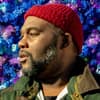

DJ Sir Daniel and Jay Ray sit down with Jason Randall Smith, host of Radio BSOTS, to trace UK soul and hip hop's ties to Black music history. They share personal stories of discovering artists through radio, Video Music Box, and early MTV rotations. The conversation connects Caribbean migrations to club tracks that still spin today.
Topics Discussed
Windrush Generation's role in UK soul roots: Hosts explain how West Indian migrants from 1947-1970 brought calypso, reggae, and ska, fusing with British swing to spark UK soul, dubstep precursors, and artists like George Michael.
Musical Youth and Five Star's US breakthrough: Discussion covers "Pass the Dutchie" on MTV introducing reggae to kids, and Five Star's family band vibe echoing New Edition while showcasing London Black music scenes.
Loose Ends, Soul II Soul, and Slick Rick's lasting grooves: Tracks like "Hanging on a String" and "Back to Life" get unpacked for their seductive R&B feel and hip hop samples, plus Slick Rick's London accent shaping smooth flows.
Monie Love and Cookie Crew opening hip hop doors: Stories highlight Monie Love's Brooklyn ties and "Monie in the Middle," alongside Cookie Crew's "Black is the Word" pushing Black pride via Ralph McDaniels' Video Music Box.
Podcast Shoutout
TROY Podcast: http://troypodcast.com/
Jason Randall Smith Bio
Jason Randall Smith’s longtime personal passions involve music appreciation, sonic curation, and media preservation. While attending the State University of New York at Albany, he volunteered at WCDB Albany 90.9 FM, hosting several radio shows as a DJ and producing promotional spots for the station. As a writer, Jason penned music reviews and long-form articles for Impose Magazine as well as podcast reviews for The A/V Club's Podmass column. In addition, his poem "A Lesson In Deterioration" was included in the book Soul Babies: Black Popular Culture And The Post-Soul Aesthetic by Mark Anthony Neal. Jason is the host and producer of Radio BSOTS (Both Sides Of The Surface), a podcast championing independent and Creative Commons music in a variety of genres since August of 2005. He is currently the music director at Bondfire Radio in Brooklyn, NY, where his curatorial duties help shape the sound of the station. Radio BSOTS has been broadcasting live on this station since February of 2015.
Follow Jason Randall Smith On Social Media
Facebook: https://facebook.com/bsots
Instagram: https://instagram.com/bsots
Twitter: https://twitter.com/bsots
Chapter Markers
00:00 Afros & Audio Pre-Roll Ad
00:50 Intro Theme (Music By Danya Vodovoz)
01:21 Welcome to Queue Points
03:47 Transition
03:47 Jason Randall Smith Bio
06:10 "Jason Randall Smith is like the American Gilles Peterson" - Jay Ray
07:04 We can't discuss the UK Soul movement without discussing The Windrush Generation
08:57 How did we get connected to UK Soul?
12:59 Musical Youth
15:30 Transition
15:30 Five Star
17:31 Video Music Box Introduced us to a lot of artists
19:39 Loose Ends
23:24 Soul II Soul
29:43 Insert Transition
29:43 "Missing You" is one of the most beautiful songs off of Vol. II: 1990 – A New Decade
31:00 Neneh Cherry
35:05 Does Sade belong in the conversation about UK Soul?
40:06 Lisa Stansfield
43:06 They Reminisce Over You Ad
43:53 UK Hip Hop Conversation
44:30 Why does DJ Sir Daniel have such a connection to the British music scene?
45:58 How did we come to know and respect the UK hip hop scene?
50:37 Slick Rick
52:24 Monie Love
52:58 Jay Ray & Monie Love
53:36 Jay Ray was part of a talent show win dancing to "Monie in the Middle"
58:09 Cookie Crew
01:01:07 Trip Hop and Drum & Bass - Part 2 of this conversation?
01:06:06 Closing
01:08:13 Closing Theme
Closing Show Notes Links
[00:00:00]
Afros & Audio Pre-Roll Ad
Speaker: On October 21st and 22nd, join indie podcasters from all around the world at the 5th Annual Afrozone Audio Podcast Festival, the first two day conference for and by black indie podcast creatives and audio professionals. This year's conference will be held at the Reginald F. Lewis museum in downtown Baltimore, Maryland, or virtually on the Hoover event app for exclusive online sessions.
Stay with us at the Renaissance Harbor place hotel and experience two days of panels, workshops, networking opportunities. And live entertainment for aspiring new and established podcast creatives. Don't miss one of the most anticipated events in the podcast industry committed to community and collaboration since 2019.
Learn more and purchase your tickets at afros and audio. com. See you there.
Intro Theme (Music By Danya Vodovoz)
[00:01:00]
Welcome to Queue Points
Sir Daniel: Welcome back to another episode of Queue Points podcast, dropping the needle on black music history. I am DJ Sir Daniel.
Jay Ray: And my name is Jay Ray, sometimes known by my governments as Johnny Ray Cornegay the third. What's happening,
Sir Daniel: good people. Jay Ray, I am super excited for this episode of Queue Points because it's always fun when we have a guest on board.
And this gentleman is a very learned and very cultured individual. And I'm super excited to chop it up with him as we discuss, uh, the beans and toast crowd or across the pond in it. We got to [00:02:00] talk about the influence. Um, that's the UK has had on us individually. And of course the music industry as a whole, uh, we're going to talk about a time when the music industry was not depressed about having stars like it is now, but, um, Jay Ray, let's please remind the people about how they can keep in contact with us and learn about all things.
Queue
Jay Ray: Points. Listen, y'all are here with us. And one of the easiest ways that you can support Queue Points is by hitting the subscribe button. So whether you are watching us on video or whether you are listening to the show, wherever you are, click the subscribe button and click the notification bell so that you can be notified whenever Queue Points has a new show.
If you are like, listen. I like those guys. I want to support them. I want to make sure that the lights stay on, that these, you see all these LEDs back here. Sir Daniel is like got the solid gold lights. I got these little red joints. If you want to keep the electric on and Queue Points land, you can become a member on our website at Queue Points.[00:03:00]
com. Just go over there and click the subscribe button. And what you can also do, um, and this is free. You can join our mailing list. At magazine dot Queue Points dot com. Yo, we be having a good time over on that mailing list. Just be like dropping gems. So as y'all know, um, we did our house music diva show. So if you were on the mailing list, you would also know that we dropped songs from house music divas that we didn't talk about, but you would know that if he was on the mailing list.
And the very last thing is you can also shop for merch in our store at store. Queue Points. com and you can be fly because it's about to be fall. So you can get you your hoodies because it's about to start getting chilly.
Transition
Jason Randall Smith Bio
Jay Ray: We have an amazing guest that is joining us. And I'm going to read his bio because it is amazing and brilliant and meaty. Jason Randall. Smith's long time personal passions involve music [00:04:00] appreciation, sonic curation, and media preservation. While attending the State University of New York at Albany, he volunteered at WCDB Albany 90. 9 FM, hosting several radio shows as a DJ and producing promotional spots for the station.
As a writer, Jason penned music reviews and long form articles for Impulse magazine, as well as podcast reviews for the AV clubs. pod mass column. In addition, his poem, A Lesson in Deterioration, was included in the book, Soul Babies, Black Popular Culture and the Post Soul Aesthetic by Dr. Mark Anthony Neal.
Jason is the host and producer of Radio BSOTS, Both Sides of the Surface, a podcast championing championing independent and creative commons music in a variety of genres since August of 2005. August of 2005 y'all. Okay. Um, he is [00:05:00] currently the music director at bonfire radio in Brooklyn, where he, his curatorial duties help shape the sound of the station.
Radio BSATs has been broadcasting live on this station since February of 2015. Teen folks, welcome to Queue Points, Jason Randall Smith. Hello.
Sir Daniel: Welcome.
Jason Randall Smith: Mama. I made it. I made it.
Jay Ray: How you doing? I'm,
Jason Randall Smith: I'm
feeling blessed and highly favored right about now. Thank you so much for, um, allowing me to join you both distinguished gentlemen, and.
Wonderful curators of, of, of content representing black music history and culture. I'm, I can't say that I'm one of the day ones, but I've been. Watching and listening long enough to know that when it comes to guests, y'all [00:06:00] don't just let anyone into your house. . .
Jay Ray: Yo. Thank you. Thank you, thank you so much. We are grateful to have you here.
As you know, we are fans of your show.
"Jason Randall Smith is like the American Gilles Peterson" - Jay Ray
Jay Ray: And Sir Daniel, I think I said this , I was like, yo, Jason is like the American Giles Peterson. I just want you to know, I just want you to know that you are in that canon. Did I not say that? Like, I literally, I was like, he's like the American Giles Peterson. Like, um, So I wanted to say that on the air cause we're about to go to the UK and Giles for me was one of those folks that introduced me to so many things.
And, um, so I just wanted to say that to you just in case no one's ever said it. That's the whole, that is the path you walk and we grateful. That's why we so honored that you. So thank you.
Sir Daniel: Absolutely. [00:07:00]
Jason Randall Smith: Thank you for real. Thank you.
We can't discuss the UK Soul movement without discussing The Windrush Generation
Sir Daniel: So as J Ray said, we are, we're, we're blessed to have Jason with us to talk, to do this discussion because I have been.
And Jay Ray, I told you this, I've been enamored with the UK since I was a child and I'll tell you all later why, but we cannot discuss, um, UK soul and UK hip hop without acknowledging what is affectionately known as the wind rush generation. So. If you're not familiar, the Windrush generation, uh, between 1947 and 1970, nearly half a million West Indians migrated from their homes to Great Britain for, for better opportunities.
And so, um, of course, when they migrated from Barbados, Trinidad, Jamaica, all those places. They brought with them a canon of music [00:08:00] included Calypso, reggae, ska, and of course there's the, the Latin influence as well. And so at that time, the Brits were really into big band and swing. So naturally when you get people start mingling together and the music starts mingling together and you get these fusions.
And so. What you have there are the roots of Dubstep, of Jungle, of Drum and Bass, Trip Hop, and we're, and that's going to be a whole nother, um, episode, so please, please, um, stay tuned for that. But this is the nexus of UK Soul. This is where artists like your boy Georges and your George Michaels and Phil Collins, that's where they got their influence.
Yep. You know, and so that's where we have to start, you know, J Ray coming up with the show,
How did we get connected to UK Soul?
Sir Daniel: J Ray and I started talking about how do we [00:09:00] get connected to the idea of UK soul? And it was those gentlemen were some of the reasons why I felt an affinity to UK soul. You're George Michaels, Culture Club, Phil Collins, the Eurythmics, you know.
on and on. And all of those, those white rockers of the early eighties is how we got connected to UK soul. Yeah.
Jay Ray: Yeah. That is, um, it's so interesting. Um, where the UK, I feel like there's this, um, lovely, uh, symbiotic, uh, relationship that feeds on each other between kind of U S. Black, black music here in the United States as well as in the UK, because one of the things when we watched the Little Richard documentary, remember Little Richard went over there to London and like dumb kids was passing out.
Oh, you know, like they had never seen anything like it. And then little Richard, of course, influences Mick [00:10:00] Jagger and Keith Richards, and then Tina Turner, the Beatles, the Beatles, right? All of these folks went over there and these folks in the UK was like, oh my God, more, more, more. And then. the reggae, the sky, et cetera.
Um, but I will say, um, and Jason, I'm curious about this for you. I know that for me, definitely those artists I'm thinking of the human league in the early eighties, um, that really was like, Oh, I love what's happening there. The boy, George's, et cetera. The George Michaels, what I was most attracted to, to about some of the black artists that we're about to talk about is I did feel like for the.
first time we saw black people doing black music versus white, white people doing black music or a version of it. And that was really interesting to me. And, um, but I echo Sir Daniel, my first kind of [00:11:00] introductions were those early eighties, white rock pop hybrids. And for you, what was your earliest connection?
Jason to some of the UK, um, soul and R& B stuff.
Jason Randall Smith: Starting to think about artists like UB40, Level 42.
Jay Ray: Something about you is one of the dopest jams ever.
Jason Randall Smith: Yeah, that, Lessons in Love. Oh my God. Yeah, just, I mean, they, they've got a, they've, they've got a legacy. Shout out to them. Shout out to them. Going a little further on. In history, um, Swing Out Sister's close to me.
Sir Daniel: Ooh. Swing Out. Now, you know how I feel about breakouts. Breakout
Jay Ray: is one of the, listen, Swing Out Sister, okay, so I have so much of their catalog, like. Swing Out Sister, yes. They [00:12:00] have a live album from like, Japan. It's crazy. It's crazy. Anyway.
Sir Daniel: Suzie and the Banshees and all of that. Woo.
Jay Ray: Woo.
Sir Daniel: Yes. And Simply Red.
Simply, don't forget Simply Red. That's
Jason Randall Smith: another one. That's another one. That is another one. In terms of Swing Out Sister though, for as much as Breakout and Twilight World got played and put in heavy rotation, if you was in New York and you was listening to the smooth jazz bastion that was CD 101. 9, you got put on to a joint called After Hours.
After Hours off that first album, right up there, right up there with Breakout, right up there with Twilight World. Yes. After hours, excellent cut that that that's one of them. That's one of them sleeper joints on, on, uh, on, on that first album, that and communion.
Musical Youth
Sir Daniel: So, [00:13:00] you know, we were talking earlier about the, um, the Caribbean influence on the UK soul and.
You know, as kids in the 80s, you know, Gen Xers growing up kids as kids in the 80s, I don't think another group had a heavier impact on me. Of course, we had New Edition over here in the United States, you know, when musical youth came through. Yeah, I mean, and they cut through so sharp with that, that high pitch, that, that preadolescent voice.
And these boys are playing their own instruments and they're hanging with like major ska bands and whatnot. They came through and really turned it around for me. Of course, um, Unconditional Love is my absolute favorite song by them, which duet with Donna Summers. Well, it's actually her song. I think it's her song, but They add an element to it that is so [00:14:00] phenomenal.
They've, of course, been sampled time and time again in hip hop. That, and I don't think you can, you've ever seen another, um, child based or youth based group come out of the UK to have as much of an impact as they had on us, especially us here in the States, in the States at the time.
Jay Ray: Yeah, that was true.
That, um, I remember seeing the, the pasta dutchie out video on MTV. This was probably, well, no, because it was post Michael Jackson, because that was kind of when they started finally playing black folks. Um, but, and, and that was interesting, right? Because I think for me, that was some of my earlier introductions to like reggae.
Um, because up until that point, I was very familiar with rock, soul, R& B, pop, but there wasn't as much reggae that was listened to. And so musical youth, um, introduced me there. So not [00:15:00] only was it these young black kids that was like kids like me, but they were also playing a style of music that I was unfamiliar with and curious about.
Um, but they, they cut to your point, Sir Daniel, they cut through. Um, and really did, I think, open up the minds of Americans as to what black folks in the UK were doing.
Transition
Five Star
Sir Daniel: in the terms of R& B, like Jason, I know, I know you got a five star song in your pocket that you like.
You gotta have a five star song that you like.
Jason Randall Smith: The funny thing was five star for me was like 5, 000 brain cells ago. So two days ago, I'm on YouTube going through songs, right? I'm just like five star. Why don't I remember five star? And then I fall on the [00:16:00] video for all fall down. I'm like, yes, that's it.
Jay Ray: That's the one
Sir Daniel: that I hesitate to say this, but they were like, they were like the UK. answer to the Jackson
Jay Ray: five. They were and they were built that way. I mean, that was how they were really introduced to us here in the United States, right? Was you have this family band? Um, they had the same, they had, they were adopting a similar look.
So Jason, like you. Um, before I travel internationally, people felt like I traveled a lot. And I'm like, well, I had to kind of develop my worldview from music. And it was these groups like five star that one and started to introduce me to, to think, to, to, Hey, black folks in the, in London, in the UK, everything was London to me then in the UK are doing things right.
Um, but one of the groups that we have on our [00:17:00] list as well. Ooh. I got, uh, I got that debut album right there. Um, Mica Paris, yo showed up in the late eighties. Listen, that woman sings, sings down friends and. One and my my one temptation is one of the most beautiful songs I've ever and I still play that song like it's new
Video Music Box Introduced us to a lot of artists
Sir Daniel: Jason do you recall?
Of course, you remember video music box video music box J Ray You brought up MTV earlier, but I think video music boxes was really our those of us living in, um, in New York and the tri state area was really our window to a lot of these artists because that's where I first saw Mica Paris um, My One Temptation video.
For
Jason Randall Smith: me, yeah, I mean, [00:18:00] Uncle Ralph all day. Uncle Ralph McDaniels all day. I mean, what he did for us at that time and what he did for so many artists to get put on. I mean, you know, if you were, if you were in New York, if you get, if you're getting play on Mr. Magic, if you're getting played by red alert, your videos on video music box, you can die happy after that.
As far as, as far as those artists were concerned, you made it. And he had such an incredible mix of music that he was able to really take us on a journey. On a national scale, as well as an international scale. And the fact that he was able to do that independently, public access, is still just the most amazing thing to me.
That's hot. It's an amazing thing to me. The Mica Paris joint that I'm thinking about is, um, If I Love You Tonight, the Prince [00:19:00] joint. Ah, yeah, yeah, yeah. Mm hmm.
Yeah, the Princepin joint.
Jay Ray: Oh my goodness. I know this is outside of our years, but um, Jason, I know that you'll, The Black Angel album, it's late, it's late 90s. The Black Angel album by Misha Parris folks, I think it's available on streaming in the US. Go stream it like it's still hot right now, like it's still hot right now produced by a bunch of DJs is just like UK soul on steroids.
It's great. Okay.
Loose Ends
Sir Daniel: And so we, you know, we can't discuss impactful R& B groups out of the UK without talking about loose ends. And Jay Ray, I see that. I see you got it right behind you. Loose ends. In all their forms, right? Kept giving us nonstop [00:20:00] heat, but like I okay So jason, I spin at a spot on sundays for the dinner crowd, right?
And I will throw on a loose ends joint. It's so It still sounds fresh The music still stuck. I know it's older. I know because I was there, but it sounds fresh It still sounds it sounds grown and sexy It's Not, it's a, enough groove that you're definitely tapping your feet and bopping along, but there's something so, there's something still sexy and seductive about it.
And it's like, they tapped into, to the, to the R& B, the sexuality of R& B, the sensual side of R& B, like no other, in my opinion, you know, and those joints still go, still get sampled. You know, what was your take on loose ends?
Jason Randall Smith: Absolutely adored them. [00:21:00] They're, I mean, they're unfadable. Unfadable. Hanging on a string will always be a joint.
Slow down will always be a joint. I still have the single of Don't Be a Fool. Mm. Hot. Mm hmm. Yeah, I mean, they just, they stayed consistent. Even, you know, even with all, you know, even with all the changes and all of that, they just musically speaking. They, they, they continue to, to stay true to, to what they were all day.
Sir Daniel: All day long. It's so funny. And you know, Mariah Carey, the queen of remixes, I still think, and I've said this, my favorite Mariah Carey remix is this. Is the stay, um, is the, the remix to stay with mm-hmm. that uses, um, [00:22:00] it's a stay a little wild child, stay a little wild child. And it's the, um, it's my all the, my all the, my all stay a little stay a wild child remix.
The, the dopest remix ever. And it's the, because of that foundational record.
Jay Ray: Nick Martinelli again,
Hanging on a string. Nick Martinelli produced that song. We gotta do a whole show on Nick Martinelli for at some point. Straight out of Philly. Listen, um, but in the chat, Carlton and Mark have both dropped Mr.
Bachelor. Mr. Bachelor is such a joint. Um, and by the way, that, this record, this, uh, The Real Chucky Boo was mastered as one of those continuous listens where every song blended into the other one. Crazy. So yeah, um, you, Jason, you were right. Loose ends stay consistent. Even those joints that weren't hits are still mainstays.
So I think of you can't [00:23:00] stop the rain, which is one of the most important ballads in R& B. Wasn't it like a hit? Wild Dk even was a single for them. But I promise you, if you turn on the quiet storm, you're going to hear that song. And they just got it. They just, they just, they just had it. And those records were consistently solid.
Soul II Soul
Sir Daniel: Jason, we can't, and we also cannot talk about. Oh, such a major influence and a major footprint that soul to soul left in our brains and our hearts. We, okay, so Jay Ray and I could talk on a nauseam about soul to soul, but I want to, I want to hear about what Jason Randall Smith's, um, like your perspective on soul to soul.
Like, where were you when you first heard that,[00:24:00]
you know, that, that, that underlying beat, because that beat changed hip hop as well. So, so Jason, tell us about, you know, what that moment was like for you when your head was cracked open, when you heard soul to soul
Jason Randall Smith: for me. Probably. I mean, it really did start with keep on moving for me. I mean, I just, I just, I love the shuffle of that song. Love the strings. Karen Wheeler will always be one of those vocalists that I hold in very, very high regard. But actually, you know, just getting that album and sitting with it. Um, you know, it's, it's, that is one of no skip joints.
They said Club Classics and meant it. You have any, I mean, have we really, have we really considered the gumption, the gall, the unmitigated [00:25:00] audacity that it takes to name your debut album Club Classics?
Jay Ray: I never thought of that. Volume one. Volume one. It's like, oh, we're going, we're going to hit you again.
Hold on. We're going to
Jason Randall Smith: hit you more. The funky dreads ain't done. We like we, we ain't done yet. And, and that's man. I mean, back to life is a beautiful song to begin with. But to hit us off, to hit us off with that acapella, which just keeps showing up,
Jay Ray: it just keeps
Sir Daniel: showing up. Jason, it's a DJ's dream. It is.
Jason Randall Smith: a DJ's dream. You know,
Jay Ray: it really did. Yeah. It just,
Jason Randall Smith: it's, it's, it's a whole mood, as they say, it's, I mean, that really is a whole mood. So, yeah, I mean, I was, I was right on. I was right on a soul to soul. [00:26:00] train when that dropped. But I don't think, I don't think people talk about volume two enough. 1990, a new decade.
It's such a beautiful record and a wonderful follow up and not a sophomore slump in any way for me. Get a life was a great way to start off. I think volume two. Yeah, I think volume two is the album that introduced me to the saxophonist Courtney Pine. The joint Courtney blows. That cut and a cut like time untitled, like what that is as an instrumental groove.
I mean, that's just there in the pocket. I mean, you had so many, I mean, you just had so many wonderful people as Jazzy B, it's Nelly Hooper, it's, it's, it's Dobie who, if you really want to talk about a [00:27:00] connection between UK soul and hip hop, you, you, you look no further than a dude like Dobie. He's one of those people who was, you know, hanging with Jazzy B and them, but also in the trenches, as far as seeing who was going to be next in UK hip hop, who were really finding their voices.
Cause I think for, for, for, for a while, you know, uh, you know, for a while that, that, that connection was always there, but how it necessarily translated over. To us was different and I'm sure, you know, we're gonna, you know, we're going to talk about it when we get to UK hip hop, but I'm sure there were a whole lot of guys who felt like they had to come on the mic with an American accent in order for us to get it.
It's like. It's, it, you know, it's like being here in the States [00:28:00] and not wanting to mess with something with a different region because it wasn't from New York. Now you flip that into an international context, right? And once, you know, I, and once MCs over there said, nah, we got to put our stamp on it for real, for real.
You know, the accent, you know, what, what are, what are cities, what our communities are about? You know, if, if I, if I come to this microphone, it's like, if I come to this microphone, you're going to hear Cockney, you're going to hear Brixton, you're going to, you know, it's gotta be, it's gotta be what it is.
And that's the beautiful thing about hearing something like Jazzy's groove. Yes. You hear what it is. And he's telling the story, you know, and after hearing him tell the story, you just wanted more of a happy face and a [00:29:00] thumping bass for a loving race. And you figured Jazzy B and them were the ones who were going to bring it.
Yeah. And he's still bringing it. One of them, one of the shows that I listen to over on Mixcloud is Jazzy B. Whatever I need to pick me up. You know, I'm, I'm, I'm listening to him. Those, those man, the volumes, you know, it doesn't, it doesn't begin and end with club classics, volume one. It's the, it's, it's, it's the one that's probably the most unfaithful out of all the volumes, but there's, there, there are more gems.
So many more gems after that.
Insert Transition
"Missing You" is one of the most beautiful songs off of Vol. II: 1990 – A New Decade
Sir Daniel: You know, can, can I just throw this one out there? Um, speaking of volume two, one of the most beautiful songs on there for me, and I wish, I wish that people in the States like really were, when we're up on it, was Missing You. [00:30:00] And that features the vocals of, of Kim Mizell, who dope on her own, a vocalist on her own.
But that song, there's a part in it where it's just, the strings are just. It's just strings and there's like a pregnant pause and a buildup. You guys have to, if you have not listened to Soul 2 Soul's volume two for the, for just for back for, um, what's the reason, what's the reason, the meaning of life, um.
That song, the, the, um, the debut single from that song and missing you got to check out that volume two album. I think, you know, how we do here in the United States when it comes to product from overseas, especially, you know, we get into it, we love it for that moment, then we start. You know, manufacturing our own thing, you know, and we kind of were like, okay, um, you know, I'm over that.
Let's move on to this next [00:31:00] thing.
Neneh Cherry
Sir Daniel: But what I love specifically about the UK is how they were able to toe that line between what we knew as hip hop. And of course, what we know is soul or R& B and people, they weren't afraid to be hybrids. And so. You know, one of the coolest people on the planet is Nana Cherry,
Jay Ray: you know, straight, you know, we know she is, you know, of course from, from Sweden, but she has a whole UK foundation too. And she of all, I have such a connection to Neneh Cherry. Like I have when, um, One when Buffalo stands hit, I remember when that song hits specifically and. It was, I couldn't remember a time where I felt like there was a rap song that was also a pop [00:32:00] song, you know what I'm saying?
I'm like, Oh, this is like a rap pop song. I don't think I'd ever heard like that before. It was either hip hop or it wasn't. And I felt like for the first time I saw something that was different. But then as you started to get into other songs like man child and you start to realize that there's all these other influences happening Happening with this woman.
Um It just was one of the best things ever and I think she had She definitely is one of those artists that to this day. I still follow because of all of the influences that she Melds into the music and an interesting thing, by the way, about, um, Neneh Cherry is somewhere in this room. I have the first song that she appears on, and it's like this ska joint from like 1981.
And, um, [00:33:00] it's the first song that she appears on. I think I did a black music mixtape on it, actually. And if I did, I will put it in the description. But. Yeah. She was just over there in London, just kind of doing stuff at a very young age, but, um, ultimately creating what I consider to be some of the most important, um, and transcendent music of the period, especially when we look at the late
Jason Randall Smith: eighties.
No, Jay Ray. Unreal. Singing background vocals for the Slits when she was young, touring with them. I mean, one of the most, one of the most formidable, influential punk bands, all women. And after that, she's in this, you know, it, it, it took me. Maybe one or two decades after something like raw, like sushi dropped to understand [00:34:00] just how deep she was musically, yeah, between singing slits and then being in this, and then being in this post punk band called rip rig and panic, like, I didn't even know anything about that until long after the fact, you know, being the stepchild of Don Cherry doesn't hurt either, so.
So her cool factor was all the way up long before Buffalo Stance gets released as a single, you know.
Jay Ray: Yeah, she's a, she's a moment.
Sir Daniel: So we are, we're coming to the end of this particular segment because we've, I feel like we are, we're gushing right now about our love for, you know, for the UK, um, R& B side of things, but we got to definitely talk about the hip hop side of things, but I cannot move on from this segment without [00:35:00] asking you two gentlemen something.
And this might be, um, um, You know,
Does Sade belong in the conversation about UK Soul?
Sir Daniel: one of those controversial questions, but does Sade belong in this conversation? Or were they to pop
and remember, we got to keep thinking Sade is a band. I know we're used to thinking about Helen. We're thinking about Helen when we hear Sade, right? But Sade, we're talking about a whole band as a band and their body of work.
Jay Ray: Yeah. Um, yeah, Jason, I'm curious about your thoughts. I, um, I actually think they should be included in these conversations.
Um, because. They did a couple of things. I think they, um, they broke through, they were performing, um, black music and they broke through at a [00:36:00] time when they were just doing something totally different than everybody else. When they broke, like it was totally different. They looked different. They sounded different.
Um, and so, and I, and, and also they were marketed really different. So that's why I'd also think that we leave them out. a lot is because, um, yes, they were this band with this black front woman and doing a whole thing, but they were kind of marketed to, I think, the, the rock super cool, um, post punk crowd.
And it all won, like , it fired on all cylinders. But I think we do Sade a disservice by not putting them in the conversation when we talk about UK soul and r and b because they were really important to the movement, really becoming big here in the United States. That's
Jason Randall Smith: my thought.
First off, [00:37:00] shout out to Caron in the chat for shouting out Sweetback, because if you talk about, listen, if you, if you talk about whether or not Sade is it, is, it can be included in this conversation. You, you, you're ultimately talking about whether or not Sweetback can either.
Ultimately, but I, I, I, I fully agree. I fully agree with you, Jay. I fully agree there. There's always going to be a place for them within the UK soul conversation simply because at a certain point. You know, they kind of take over the conversation with just how big they got with hit after hit after hit after hit after hit, but ultimately they were never just a band.
That was about the singles. You know, it's not just a, they don't [00:38:00] simply live in a singles context. They are the full body of work. They are the entire discography that is an album oriented group. And maybe it depends on the people that you talk to in regards to whether or not belongs, belongs in it, because maybe they're going to be people focus more on those.
Who didn't necessarily get that kind of a shine. Maybe there are going to be people who focus in heavy on some of those people that came up when that whole acid jazz movement was coming up that there, that that's a whole other crop of UK artists to talk about. But shoddy definitely belongs because when you're talking about UK soul, I'm thinking about joint, like.
Nothing can come between us. That's a, that, that, that's a soul joint for your heart. That's a soul joint for your [00:39:00] heart. I still smile when I think about a cut like Maureen. Still smile. And let, and let's just put the whole Love Deluxe album down on the table. I mean,
Jay Ray: Trump's everything is like, Oh, we made Love Deluxe.
Jason Randall Smith: You know, cherish the day forever. Right. Forever. It's like, are we really going to talk? It was like, do we have time to talk about how many deep house bootleg remixes got made out of pearls?
Jay Ray: Right? And so Lexion did like a whole shod day. Re imagining, like, come on,
Sir Daniel: you know, you get no argument from me. Yeah.
Jason Randall Smith: I mean, their influence is, their influence is bigger than soul, but I don't think you can, you can really have the conversation and, and not, and not give them serious [00:40:00] consideration. For everything that they've done and continue to do,
Lisa Stansfield
Sir Daniel: you know, we are, we're up against the break and I see, I want to shout out, um, our folks that have been listening to us live and that are going off in the chat right now, our day ones, you know, Carlton, Mark, you know, and Um, Of course, they brought up Lisa Stansfield.
Now, Lisa Stansfield came along at like the right moment when we were in that Soul2Soul came along and did what they did and kicked the door open and was like, Oh, by the way, this is what we're doing here in the UK. And then we also have this Blue Eyed Soul, we're coming, we're bringing back the whole Blue Eyed Soul movement.
And Lisa Stansfield, You know, there was a time when people really didn't know that she was white because for a long time, I remember hearing [00:41:00] the record been around the world on a, a pirate station out of Tampa, Florida, they would always play it towards the end of the night. But After playing loads and loads of hip hop, they would play Lisa Stanfields, been around the world before they would go off the air.
And I mean, I just remember that song was already imprinted in my head. And then to find out to see her on Showtime at the Apollo where she really showed out and had the crowd and the, the audience
Jay Ray: was the rocking her.
Sir Daniel: I mean, really rocking with her and was like, that song is a solidified R& B staple out fresh out of the UK.
So I just wanted to, I wanted to acknowledge Mark and be like, yes, I see you. I acknowledge Lisa Stansfield. Lisa is definitely that girl and been around the world is definitely, um, that girl. Also, see, again, [00:42:00] weren't we, weren't we talking about not so much Kathy Dennis, but we were talking about D Mob, the man behind Kathy Dennis.
And that man was responsible for a lot of hits out of the UK. And so there's just so many people, so many people that are influencing black music out of the UK that I don't even know if we have enough
Jay Ray: time. We don't even, I know, right. We're going to, we definitely want to talk about some of the hip hop stuff, but I feel like we definitely need a part.
A multi part to this because there's the whole early nineties influx of R& B and soul in the UK that changed hip hop and everything that we don't even have time to talk about. So
Sir Daniel: yeah. Oh boy. I got you guys. You know what? Just like J Ray said, we just going to have to do an extension of this show with our guest Jason Randall Smith.
Yes. This is Queue Points. I'm DJ sir. Daniel. I'm Jay Ray. We're still dropping the needle on black music [00:43:00] history. Come back. Right. Come right back after this break. It's Queue Points podcast. We'll be right back.
They Reminisce Over You Ad
UK Hip Hop Conversation
Sir Daniel: We are back. It's a Queue Points podcast, dropping the needle on black music history. Shout out to our Canadian cousins, [00:44:00] the RIT, they reminisce over you podcast. And we are back with our very special guest, Jason Randall Smith I am so excited to talk about this next segment, you guys, because we have been discussing an influx about the influx of British UK soul music that we have taken in over decades and decades as lovers of music and how influential they have been to on us.
And.
Why does DJ Sir Daniel have such a connection to the British music scene?
Sir Daniel: Did I share with you all why I feel like I have such a connection to, to the British scene and everything? Okay, I'm gonna make this real quick. I have an affinity for, I had an affinity for all things, um, Disney as a kid. And Peter Pan was my favorite, my favorite movie, my favorite cartoon. And I was obsessed with the Darling Children flying through the...
Through the British skyline and so since then I was all about going to Britain [00:45:00] to going to London And seeing all of these things in the UK and one of my Like all time dream gigs is to go over there and spin, spin vinyl and do all of that good stuff. But I had such a love, remember danger mouse, anybody remember danger mouse is a cartoon, super grand, you know, the Benny Hill show.
So your boy was like super into anything that came out of the UK and was British. And that did not stop there. It leaked into the music, it leaked into rap, it leaked into my hip hop because. Like some people at first, I was like, you know what, I don't know if I'm, I didn't really hear a whole lot of UK or British rap in the mid eighties, but they definitely had a scene and it was wildly influenced of course, by the United States because they were really.
Emulating a lot of stuff that was going on over here,
How did we come to know and respect the UK hip hop scene?
Sir Daniel: but I'm [00:46:00] curious, Jason, when did you get connected to the idea of the UK hip hop? What kind of anchored you in a got you hook, line and sinker.
Jason Randall Smith: Well, where he, where UK hip hop is concerned, I think really for me, it kind of came later, I got hints, you know, I, I got hints of it. Over, over the years and early on, as I was listening to hip hop, I mean, I mean, clearly we're going to talk about the importance of Slick Rick clearly. So ultimately, you know, ultimately it's, you know, Lottie Dottie in the show that introduced me to a figure like Ricky Walters.
And so that's really the first time I'm hearing the timbre, the tone, the accent, and, and, and the [00:47:00] smoothness of someone like Slick Rick, the ruler. You know, later on down the line, I would hear, you know, I would, I would, I would hear some other things in terms of, in terms of emcees. I think the, the, Um, ones that really hit me are kind of outside of the, of the timeframe that we're looking at.
You know, it's, it's, it's outside of that. It's outside of that eighties, mid nineties period went where I'm really going deeper into what's happening across the pond. Who are all these people that are cropping up? One of the things that I did finally get around to watching is that documentary bad meaning good.
Okay. Came out in 1987, uh, Tim Westwood would have done it and it [00:48:00] shows, you know, a number of, of, um, key figures within London's hip hop scene at the time. It would have been London Posse, um, Wee
Jay Ray: Papa Girls.
Jason Randall Smith: They pop up in it, Cookie Crew pops up in it. And it was just, it was just really interesting to see how they were reacting to the music that they were hearing that was coming from the States and where they found themselves as.
UK MCs within it, because they did show a little bit of, you know, Red MC going overseas and, and, and, and rocking the house in the UK. And it was, it's, it's a brief documentary. It's only about 30 minutes, but it gives you enough to figure out what was happening mid to late 1980s during that period. Yeah.
Jay Ray: I think I'm [00:49:00] similar to you, Jason, in that I.
up going back in time to discover many UK rappers after, um, kind of the mid nineties period where I felt like, um, I was really familiar, like where I felt like the scene had started to show up more here in the United States. So then it forced me to, and then with the advent of the internet, I got a chance to like, okay, let me search for like some other people.
So for instance, London posse is one of those names. I see Mark in the chat has mentioned like folks like Derek, uh, Derek B, hard noise I'm not familiar with. So I'm going to have to look up hard noise. Thank you for that shout out. But, um, I would get sprinkles. So of course I remember. Um, we Papa girl rappers, I remember the cookie crew.
Um, and, uh, but to that point of [00:50:00] hearing the cadence and all of that, it was definitely slick Rick, right? You know what I'm saying? Who it was like the first time. And, and, and I don't know that I had a concept of what exactly was happening when I heard Lottie Dottie at the show, but. Um, then it was like, Oh no, it's because he's, you know, he has an accent and you know, he's rapping and the whole flavor was different.
Um, but yeah, I remember the sprinkles of it when I was younger, but I remember it was like the mid to late nineties when I finally went back and started to like go and find some
Sir Daniel: folks.
Slick Rick
Sir Daniel: And you know, when we speak, we speak on Slick Rick, we gotta acknowledge how he influenced The sounds of a lot of other people like you have Dana Dane, Dana Dane to this day, who was a, um, who was his partner in rhyme at one point will tell you that Slick Rick influenced his flow, influenced him to have an affect of a [00:51:00] London accent, because that was super cool to have an accent, you know, and be real.
And be real smooth with it and slick with it. But, um, I think we can't discuss, um, UK hip hop without talking about the importance of the fresh fest, because Jason, you mentioned about the documentary. I believe, I think I've seen parts of that documentary part, that documentary. Um. Chronicled how the Fresh Fest would come over to the UK and they would bring people like African Bambaataa over and, and people like the Cookie Crew would, they would talk to them and say, Hey, we're going to give you, um, 10 minutes to open, you know, you had public enemy coming over there and saying, And giving people like them moments to open up for them.
And so we can't, I think we've talked about the importance of the fresh festival for on one of our episodes, but [00:52:00] like that was one of the first major hip hop tours period. And then it went overseas. So a lot of what the flavor was brought over to the UK via the fresh fest. And let's just, you know. I think Jay Ray, I think it's time that we bring in, um, a moment.
Monie Love
Sir Daniel: I don't think people understand how important you are because you've got one of great Britain's most famous imports, Moni Love, you got Moni, you got Moni Love to actually on camera with you, rap a verse to one of her most. Important songs, and I think that we, I think we need to go ahead and share that with our Queue Points audience.
Jay Ray: Right. Let's share this and we're going to talk about this because I have a whole Moni love story.
Jay Ray & Monie Love
[00:53:00]
Jay Ray was part of a talent show win dancing to "Monie in the Middle"
Sir Daniel: I, to this day, I still don't believe it happened, but it was, that was a moment
Jay Ray: that was so much fun. Um, Moni love was having a conversation, uh, on stage, I believe. Was that with DJ Kemet? Am I making that up? It was, it was, it was
Sir Daniel: Fahamu,
Jay Ray: Fahamu, yes, but with Fahamu Peku, shout out to Dr.
Fahamu Peku, by the way, and shout out to Moni Love. [00:54:00] Um, so one of. So one of the fun stories in my, in my history is, um, I won, I was part of a group that won a talent show and we won, we won the talent show by performing Moni in the Middle. So I was one of the dancers. And, um, this is all recorded. It's a whole thing.
It was an award winning performance of eighth graders and my brother. My brother was in it too. He was in like fourth grade and, um, but he was really like, he was up in the front. So, you know, you had the little kid up in the front. That was like a thing that you did, you know, cause it got everybody hype.
But anyway, um. Moni Love, and I remember seeing the Moni in the Middle video, and that was interesting to me because I remember that video had like a really interesting look, and I [00:55:00] understood kind of the concept of like A Londoner who rapped. But the interesting thing about Moni is she sounded like a rapper from here.
Like I didn't, it wasn't until she spoke and I saw an interview with her. I was like, Oh, she's from, she's from the UK because she didn't, uh, I didn't, she didn't rap with the same, uh, with the same accent. But, um, yeah, fond memories of Moni Love. Moni Love and that first record Down to Earth was really important.
And just her guest appearances. Um, just an important, important MC, and I feel like opened a lot of doors for the states to see London MCs from the UK as like viable and
Sir Daniel: yeah, her, um, just money to your point to Moni's longstanding power here in the [00:56:00] United States. It's all due to everything that you just spoke about. Um, yes, she's from, from the UK, but she spent a lot of time in Brooklyn. She spent a lot of time, she went to high school with MC Lyte. Um, that video, the Money in the Middle video was shot in Brooklyn, so she's got all that influence there.
And she's spoken, spoken on that, how being around that environment kind of influenced her, her rapping. Um, dialect, the rapping without an accent, I should say, but she was so connected to to the United States hip hop scene. Like not only is she in the native tongue, but she's also a member of Ice T's Rom Syndicate, which a lot of people forget.
Jay Ray: I forgot about that. You're
Sir Daniel: right. She was a member of Ice T's Rom Syndicate. So Monie Love, literally she took her passport and made her way over here and really created this lane for herself. [00:57:00] within the culture of Hip hop right here in the United States. And she's still, I mean, the fact that her in law created ladies first and is an anthem that still rings off to this day.
I mean, that is what you call lightning in a bottle. Yes.
Jay Ray: Yeah. Um, yeah, you know, she told that story. I think it was during that interview. of, um, you know, just her and Latifah sitting in like different corners of like this room writing their lyrics. Right. And then coming back to each other and like, Oh my God.
So here's what, and just listening to that energy, like the love that they poured into wanting this to be what ladies first ultimately became, um, is huge. And, uh, so yeah, Moni in the Middle is one of those, uh, UK hip hop. Pioneers that, um, deserves, deserve, we need to, we need [00:58:00] to keep talking about her and make sure that her name stays top of mind because she, she opened a lot of doors.
Sir Daniel: She absolutely did and
Cookie Crew
Sir Daniel: I think we've mentioned them briefly But I can't not talk about the cookie crew real quick the cookie crew If you talk about I think Moni Love will tell you the cookie crew was a major influence and they were all part of the scene over in the unit in the United Kingdom and that album First of all, Daddy O pretty much executive produced, Daddy O of Stethosonic, um, produced that album.
And so I think for them... For their major United States debut for them to have the co sign of Daddio, um, boogie now productions, all those heavy hitters is something that was major. They were on a major label. Um, gosh, it's escaping me, [00:59:00] right? I think it was a London imprint, but it
Jay Ray: had, it was, it was London records, but it was the, was the effort.
Sir Daniel: Polygram, FFR, it was a polygram, polygram subsidiary, which I think allowed them to have, to have access to the United States. Again, Jason, we were talking about, um, Ralph McDaniels, Ralph McDaniels gave them the cookie crew, like. a whole hour because you remember on Fridays, Fridays was straight up rap, straight up hip hop on Fridays on video music box.
And I remember him giving the cookie crew like walking with them through Harlem and given the cookie crew a whole show to talk about what's going on over in the United Kingdom and hip hop. And that never left me that album. solid that, um, black is the word album, crazy culturally significant because we were at that shift in hip hop [01:00:00] culture where we were starting to really delve into, um, black nationalism and what it meant to be black and for.
And to know that we were, we were crying out against apartheid here in the United States, but our brother, our brothers and sisters in the United Kingdom were doing the same and even louder, like they were blacker and prouder than we were at some points, you know, and they, they put that on wax and everywhere they represented, remember how they represented in their, their, um, colorful, um, It was like custom made, not kente, but it was a different, it was a very African inspired look.
That they came across here with. And so I can't, we can't not talk about the cookie crew. I know that, um, remedy yes. Remedy is a, she's a, an executive over there. She's a, she's a heavy hitter in the music scene still in the UK. I follow her on, on. [01:01:00] Instagram. But, uh, yeah, cannot talk, can't not talk about the Cookie Crew and their influence.
Trip Hop and Drum & Bass - Part 2 of this conversation?
Sir Daniel: And, you know, Jason, we were talking about the artists that innovated and then influenced American hip hop sounds, you know, next week when we start talking about trip hop and And dub and those things, you know, you were talking about the nineties. That's when we get people like a Ronnie size and you know, who completely flips everything on the head and we get there, there, that raga type beat, a raga type rapping as well.
Um, what are you looking forward most to talking about when we get into that conversation about the, the trip hop and the, the UK influence on that
Jason Randall Smith: really in terms of In terms of that, what we see happening with, uh, [01:02:00] with trip hop and with drum and bass as well, we're basically seeing the precursors for what would become international beat culture.
That's ultimately those, those are the foundational building blocks. When you have labels like Mowax and Ninja Toon who were just running things at that period, like running things, particularly in terms of TripHop to Hay Day, like those two labels, like I was, I was looking at, at, at them and constantly listening to their output.
But what they were doing in terms of these abstracts, real musical landscapes, it basically lays the groundwork for where we would ultimately end up. In terms of international beat culture, this is where you [01:03:00] really start seeing and hearing the worlds of hip hop and electronic music, talking to each other, sitting down, trading notes, and what comes out of that is really some really beautiful, compelling music.
Stuff that makes you have to kind of forget everything that you thought you knew about hip hop, because it was, it was definitely taking you someplace else. It was taking you to a nocturnal place. It was taking you to. A cerebral place, and sometimes it was taking you to a place that painted a very, very vivid picture without having once having to say a word.
Oh,
Jay Ray: you are absolutely speaking the truth because, um, it's interesting. I [01:04:00] remember. Understanding how important this conversation was and those conversations that the music began to have. I remember watching an interview with Bahama Diaz. So this is probably like 1996 and, um, the interviewer asked her something to the effect of like, what's your favorite?
Like, what are you listening to? And she was like, Portishead's dummy. Like point blank period, and I was like, Oh yeah, like we are at that point where American rappers are now having these conversations like this. Now the UK is starting one. They were in being influenced by us over here. And then now we start influence and then they start influencing what we were doing.
So, um, this is. An important conversation. So for everybody who listens to this show, make sure that you listen to the show after this, because we're going to continue [01:05:00] some dialogue and dive a little bit deeper and jump into some drum and bass. Um, and to some trip hop stuff. Um, I was listening to like so much massive attack on the plane the other day.
My God, that stuff is so crazy. I was like, this is crazy good. So, um, yeah. Super excited about that. And, um, we're definitely looking forward to it. Jason, um, once again, let folks know where can folks connect with you and radio besides
Jason Randall Smith: Website's going to be BSOTS. com is B S O T S. com hanging out on the socials.
You can find me across Twitter now knows X Facebook and Instagram at simply at BSOTS on all of those platforms. And for those of y'all who spend as much time as I do on mixed cloud, please see about your boy over there. [01:06:00] Mixedcloud. com slash Macedonia. mixcloud. com slash jason randall smith
Closing
Sir Daniel: all right passport bros listen you've been warned you need to come back to the next episode of Queue Points and enjoy some more of this conversation about what's happening across the pond music wise we've talked about the foundation we've talked about the past but we've got a lot of great more conversation to discuss I've thoroughly enjoyed it.
Jason, thank you so much for being a part of this episode of Queue Points. You really, you have like really, um, added some shine and sheen to what we do over here and like have really put us up to another echelon. So we appreciate you, uh, for being a part of the show, Jay Ray. Um, let the people know how they can continue to follow us on with Queue Points.
Yeah.
Jay Ray: So y'all, wherever you are listening to the show, make sure that you hit subscribe. Um, and I didn't say this earlier, but share the show with your friends, right? [01:07:00] So if you like Queue Points, chances are you have friends, family, colleagues, co workers. Doctors. I told you my, my doctor now listens to Queue Points because I talked about the show, share it with them, let them know about it, uh, because they might get into it.
Um, if you want to, um, uh, support us as well in another way, monetarily, you can do so by becoming a member, uh, on our website at Queue Points. com, just clicking the subscribe button. Um, another free way that you can support us is by joining our newsletter, which is really dope. We'll probably have some really dope stuff in the newsletter as it relates to these topics that we're talking about.
So you need to, cause there's so much stuff that we didn't get a chance to get into. It's going to be perfect for the newsletter. And, um, last but not least shop our store store. cuepoints.
Sir Daniel: com. Well, for the Queue Points podcast, I am DJ sir, Daniel.
Jay Ray: My name is Jay Ray and that's Jason Randall Smith.
Sir Daniel: And you've been listening to the Queue Points podcast, dropping the needle on black music history.
Jay Ray, what do I always [01:08:00] say in this life? You have a choice. You can either pick up the needle or you can let the record play. This has been Queue Points podcast, dropping the needle on black music history. We'll see you on the next go round. Peace. Peace.