

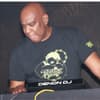
In the season finale of 'I Come Alive: Stories of Black Gay Atlanta Nightlife,' host DJ Sir Daniel interviews Ron Pullman - Atlanta’s godfather of house music. They explore Pullman's extensive career spanning four decades, his influence on the city's music scene, and the challenges and changes within Black gay nightlife over the years. Pullman reflects on the evolution of clubs, the impact of hip hop and digital media, and emphasizes the importance of community and respect in nightlife spaces.
I Come Alive: Stories of Black Gay Atlanta Nightlife strives to tell the stories of Atlanta's gay nightlife from the perspective of the people who lived it.
Check out all episodes from I Come Alive: Stories of Black Gay Atlanta Nightlife: https://qpnt.net/icaseries
Topics: #RonPullman #Atlanta #LGBTQIA+ #QueerCulture #BlackPodcasters #BlackMusic #MusicPodcast
A special thanks to the Counter Narrative Project Media Roundtable 2024.
Support Queue Points By Becoming An Insider: https://link.queuepoints.com/membership
[00:00:00]
DJ Sir Daniel: The views, thoughts, and
opinions expressed are the speaker's own and do not represent the views, thoughts, and opinions of Queue Points.
DJ Sir Daniel: Welcome to I Come Alive: Stories of Black Gay Atlanta Nightlife. I am your host, DJ Sir Daniel. This series strives to tell the stories of Atlanta's gay nightlife from the perspective of the people who lived it. Words can't express my gratitude for your support. And we've come to the season finale [00:00:30] of I Come Alive, and I can't think of a better way to put the exclamation point on this series.
Then with a conversation with Atlanta's godfather of house music, DJ Ron Pullman. Since 1986, Ron Pullman set a standard for how a party should sound. He has also cultivated a community that continues to hold space for the divine vibration we call house music. Ladies and gentlemen, [00:01:00] I present to you, Ron Pullman.
while
I was getting, um, fixing the stuff to get in here, I had a quick recollection of I want to say that, uh, brother Jamal or. Um, Stan, Stanley, the music man, somebody put it in my ear that I needed to go while you were playing and go up to the booth and introduce [00:01:30] myself to you and like, observe you playing.
And I remember doing that one time at the Eagle when it was on Ponce, the old Kodak factory. And it just came back to me like, Oh yeah. I, first of all, that's wild that somebody would suggest that I come and like introduce myself while a DJ is at work, because that doesn't always go over well, necessarily.
Ron Pullman: That is the truth.
DJ Sir Daniel: But you were very [00:02:00] gracious to me. You just pointed out a couple things about how things work. At that particular venue, like what you were using, because I believe it was some CDJs and the mixer and whatnot. And I was just like, listen, I appreciate that. I'm just going to step back and watch you for a minute, because we all know as a DJ, you just don't.
It's cool to have somebody observing, but you don't want somebody observing and asking a whole bunch of questions at [00:02:30] the same time because that's interrupting the flow.
Ron Pullman: You, you know very well.
DJ Sir Daniel: So before we go into this conversation about Atlanta history.
I want the listeners to know more about your history and just tell us a little bit about the Pullman soul movement.
Ron Pullman: Well, um, I've actually been DJing for four decades. Uh, it's [00:03:00] been over 40 years, to be honest with you. Uh, so it would be 30 something years for Atlanta. I didn't start, I'm originally from the Midwest. Born in St. Louis, uh, went to high school in Denver and shockingly out of all places, that's where I, uh, started and learned to DJ is in Denver, Colorado.
And so, uh, but my, uh, music background and influence come from [00:03:30] my dad. My dad was a, uh, singer, musician, mostly, uh, gospel music. So growing up as a kid around the house, I'm constantly being influenced by him practicing, singing, and so on and so forth. And one of my, uh, siblings, my oldest brother was into music.
So between them two, those were my earlier, uh, first influences is in the music and getting into music. Cause I said, Denver is where I [00:04:00] started doing private parties, gigs, and so on and so forth. It wasn't until 1984, uh, where I had my biggest or first big club gig was at a club in Houston, Texas. It was called the catch one.
It was actually a sister club of the catch one. In la.
DJ Sir Daniel: In la, okay. Yes. Yeah. The
Ron Pullman: original catch one was LA but they had a, a another club in Houston, Texas. And that's where I did [00:04:30] my first big club gig in 1984 in Houston, Texas.
And so it wasn't until 86 that I moved to Atlanta and started spinning and, um, connected with, if you know the club, um, later became, well, it was Trax.
But prior to Traxx, uh, I connected, how, how I got connected in the Atlanta scene was through, uh, uh, the [00:05:00] late David Hampton and, uh, his partner, uh, Phillip, Phillip Boone, uh, who's still around those guys. We were doing, uh, they were doing parties called the Ritz boys, late night parties, underground parties here in Atlanta.
Uh, I moved here around the spring of 86. And, uh, two weeks after I moved here, I started playing for those guys is how I got started. And, uh, that's [00:05:30] what, uh, kicked off my DJ history career here in Atlanta. But, uh, answer your question, I'll, uh, respond about the Pullman Soul.
GMT20240625-221355_Recording_640x360: Yes.
Ron Pullman: That name or title didn't come along until, be honest with you, until the late 90s, 2000.
And, uh, a good friend actually, uh, thought it would be a good catchy name for me. And since she created that, I've been riding with it since probably 99, 2000, I think. [00:06:00] Uh, but yeah, that's, so, there's a lot of history I can give you about it. If you want me to expand on it, I will. But yeah, as I said, 86 is when I started with the Ritz Boys.
Did that for a couple of years, uh, we, uh, then by 89, we, uh, that's when Traxx opened up and, um, yeah, it was on initially you would enter in on Marietta street, then they [00:06:30] changed it to lucky street, depending on the night. You can enter in either, either street entrance. So, um, Yeah, that's what started that, uh, the, uh, playing a track.
It was, uh, the, the resident DJs was, were, uh, Stuart Gardner and myself. And, uh, we did that for a couple of years and then both left and went on to some other club ventures. So, um, you know, [00:07:00] people, entitled or called me Atlanta's Godfather House, and that's very appreciative. I, I'm honored and flattered to, and I embrace that.
However, I surely do not claim to be the first, the longest, or whatever. There were several, several DJs who were doing things here, such as a guy named Al Tolbert, Rod Cole, Stuart Gardner, as I just mentioned. So, and Dash Wright, [00:07:30] DJ Smash, all those guys. It was, and a lot of people I'm probably missing. So, uh, Unfortunately, those guys, uh, some are no longer here or some just were smart enough and got out of the business earlier and no longer doing it.
So if I'm rallying on, just cut me off anytime, but I'm giving you the history, I think you're asking. So I'm leading up to how I got into it and how, how, and I'm still doing it 40 years later.
And, uh, so [00:08:00] yeah, I, uh, we, we, we did Traxx, uh, as I said, and then for a couple of years, like 91, I think I started doing just other than I started doing radio mixes for Atlanta's V 103.
I was doing parties in the college scene. I was, I was doing both straight and gay, uh, clubs at that time. I was like, and working a full time job at Atlanta public schools. And work and DJ and three, four nights a week. So, yeah, [00:08:30]
DJ Sir Daniel: that's heavy. I mean, a lot of people do that these days, but I don't think like your, your average DJ that's coming up to date, they don't understand that.
At that time, you carry your library was in crates and that could took a truck or a lot of manpower to take with you everywhere. So that's a lot of manpower. Whereas today, you know, you fold up your laptop and you [00:09:00] pack your hard drive and you're good to go.
Ron Pullman: That's true. So I don't think a lot of people,
DJ Sir Daniel: um, have an appreciation for how much work it took to rock a party back then.
You, um, so you're saying from 86 and we've gone on, you, you mentioned working the full time job and spinning for three to four times a week doing mixes on, um, for V one Oh three, which was. It's still [00:09:30] considered, it's a, it's still considered the largest urban radio station in the city of Atlanta. It's now a heritage stations in my opinion, because it's been around for so long.
And, um, I actually worked there at one point myself. Um, yeah. And, uh, Early 2000s, but I'm back to I guess the paint a picture for the average listener right now that wants to know in those late the [00:10:00] mid to late 80s early 90s.
If I wanted to go out, how would I have found out about the Ritz boys or Traxx if I to say I'm completely new to Atlanta, there's no internet.
Um, I don't know if if the flyers were being circulated at that time, but if I wanted to be to find out. Where I could go party with my community. How did I [00:10:30] find that out? How did, how did I find that out? How did I get that kind of information and know where to hear Ron Pullman and, and those other DJs spinning?
Ron Pullman: Well, it definitely was a heavy, heavy flyers. We doing that era in time, flyers were definitely essential. Um, um, so at, at that time, Atlanta had. Uh, I think a decent amount still do a decent amount of, uh, gay clubs, uh, are [00:11:00] just immense. So I would say the promoters, how you could find out the promoters were very diligent and very, uh, good about just putting up posters or putting up putting flyers on cars or, or in the barbershops or the whatever businesses have, they were very, big about putting up posters or leaving flyers in places that they knew, uh, perhaps the family would go and, and would pick up flyers.[00:11:30]
But the biggest thing that always worked and in business still to this day, word of mouth, if you got something hot that's going on and people know if the word is on the street and they talk, connect and talk to the right people or just happened to, uh, bump into a person that, and if they just say, Hey, I'm, I'm new in town and this is what I'm looking, I'm looking for underground house music party or so on.
If it's hot and the word is on the street, they'll, they will, people will let [00:12:00] you know. But like I say, during that era in time, just like you say, How it was so true what you say about what the DJs, the music we have to carry and the work we put in, but even the promoters were so they were to the streets or I had a street team.
So yeah, everything now, of course it's digital or social media, but yeah, during that era of time, you did your work.
DJ Sir Daniel: So I want to tell you a funny story that happened one time.
I was given a flyer at [00:12:30] one point that said, this was a hip hop party at. The warehouse, cause they were calling Traxx, both, they were calling it the warehouse on certain nights and they were calling it Traxx on other nights,
Ron Pullman: and they would change that depending on which entrance you would go through as well.
DJ Sir Daniel: So imagine my surprise when I got there thinking this was going to be a hip hop night and I was clearly at the wrong night
Ron Pullman: Yeah, but see that's what you're talking about [00:13:00] came along after it initially opened.
but the first two, maybe two and a half years, surely three, uh, It was straight up, uh, underground blockade club.
Yeah.
DJ Sir Daniel: So what I know about you, Ron, is that you, you have a history with, um, a landmark of a record store here in Atlanta called earwax and recently last year, late [00:13:30] last year in 2023, earwax had a celebration, um, for, and there was a, uh, A museum type exhibit created to mimic what air wax looked like in the 90s.
And of course, you know, I, I saw the pictures and there's Ron Pullman alongside, you know, JC, Applejack, uh, Kemet, all of those brothers. And so, I'm wondering, as DJs in the [00:14:00] community, like, and you are already doing your thing, when you're making your rounds and making your name for yourself around the city, does the conversation about playing at gay clubs come up with your peers, with your DJ peers?
Ron Pullman: Most of them knew. Most of them knew that I played. They, I mean, and they would, and, and a good amount would come. Let me, I don't know if I should tell this story and Nah. That, but anyway, , I mean,
DJ Sir Daniel: if we
Ron Pullman: have name, [00:14:30] I'm gonna, I'm gonna describe this in a way that you people could probably figure it out. Okay.
Long as a popular. producer, um, who, I mean, who's doing extremely well, at least for years he did, uh, who used to DJ with me, uh, at one of the gay clubs. I mean, he just would just, and he would just come and just watch and so on and so forth. I mean, it was for some reason, it seemed like it [00:15:00] wasn't a big deal or a big thing.
These guys, they, um, you know, for whatever reason, they, I don't know if they just wanted me to mentor or they just actually enjoyed coming to hear me play and it was great. But they didn't have, they would come and hang out in the booth most of the time. And they was just, uh, like I say, are some of them would, um, come and spend, I'll let them open up for me and so on.
So again, but most of them knew from everybody I've worked with at earwax. To like you say, JC, [00:15:30] Kemet, all the guys, uh, knew that I played at Traxx or most of the popular black gay underground clubs in the city. And then, you know, they all just, it's just, they're like, Hey, you know what? You do your thing.
And it was just mad respect. It was no biggie. And if they felt like coming out that particular night or weekend or plan, they would. It was no, it was no biggie. And, um, And I love them guys, appreciate them, [00:16:00] because that's, that just speaks in volume that, you know, about, about who they are, and how, and confident in who they are.
And more importantly, it's about the music. You're not worried about being, you shouldn't be uncomfortable if you know who you are.
GMT20240625-221355_Recording_640x360: Mm hmm.
Ron Pullman: And so, yeah, it was, yeah, but they, yeah, I mean, everybody, pretty much any and everybody, surely everybody I worked with at Earwax knew that the gay clubs is where, is what I was known for and [00:16:30] planned.
And, uh, yeah, it was just, it was just, uh, just, just bad respect and support. And like I said, I love, I still have some of these guys that I've known for years that may come up, come to the Eagle and I'll they're coming out. Some of them, I feel like they can rock the crowd at the Eagle. I'll allow them to play.
But I'm very, very protective of my equal crowd. I don't just let anybody play that straight up game. [00:17:00] They got to come with it.
DJ Sir Daniel: They got to come with it.
And I'm so glad you said that, that you're very protective of your crowd, because I always feel like the relationship between the DJ and the party and party people is a reciprocal one.
And like, after now, 40 years of doing it, do you feel as if the audiences are still giving you what you need? Um,
Ron Pullman: yes, [00:17:30] I would say yes for the most part and reason why I hesitate, um, because since the new Eagle location, the dynamics of the crowd has changed, but it's good. As you know, coming to the older Eagle. You come in on first Fridays. It was just the, just the energy and the vibe was, I mean, it was, um, as you see, I'm not trying to brag a boss, but it was something to be reckoned.
You know, you just, no,
DJ Sir Daniel: no, please, please brag because you [00:18:00] listen, everybody that's listening to this podcast or watching a clip or whatever has to know the name Ron Pullman is synonymous with like, not just house music, but superior. Parties and having people still actually dance at parties.
So please, please do not hold back.
Ron Pullman: As a matter of fact, I may be hiring you as my agent.
DJ Sir Daniel: Please let the people know, but you're [00:18:30] absolutely right. I can say that as somebody at, as a DJ and somebody that's attended, I can say that you completely have a grip. On the crowd like other and other DJs come to witness it to Tracy Levine, all of you know, all people like that that are here in the city that are especially the house heads know they will follow you wherever you go.
And that that's a testament to what you do, but you were saying you were talking about audiences still [00:19:00] giving. Giving back to you what you need from them because we feed off of them as much as they feed off of us.
Ron Pullman: Absolutely. So yes, to answer your question, yes. Um, um, I, I referenced the, the old eagle because it was just, I mean, it took a little time to build.
we've been doing the eagle as far as me being affiliated with the eagle, it's been about 14 years now.
to answer your question about if the crowd is giving me what I need. it's just a little different [00:19:30] because the dynamics is different at the new location. the new crowd or, uh, is. Much younger and is a little bit more diverse,
First Friday was, was probably 90 percent African American or black And now it may be 70 percent where It's, um, it's more young, uh, more younger people, which is great because we [00:20:00] need younger people to keep this vibe going. I embrace it. but it's a catch to it. it's, uh, sort of a catch 22 situation.
So due to the new location and its popularity, the new Eagle location, the older heads is feeling like it's, it's taken away. It's taken, they not able to dance like they, with the freedom of the space, like they're accustomed to more like, of course, it's losing some of its, um, undergroundness, I guess, if [00:20:30] that's how one wants to put it.
we should embrace growth if it's the right growth and technology, but you don't want to lose, you don't want to lose the substance or whatever it was that made you popular. And so it can be a little tricky keeping that balance. So fortunately, a good amount of the people still come, but some of the heads don't come, so which I can when I'm looking out into the [00:21:00] crowd, people are dancing and moving, but it's not that energy that the old eagle had.
they would go in hard at the old eagle the energy and the vibe of the older location, um, it was, it just had become, it was just a spot you can go to and you can release
It may not have the energy completely as the previous. I hope that answers your question, right? I'm yeah,
DJ Sir Daniel: it does. And I'll, and I'll say this as. [00:21:30] Somebody who's been there. I think the difference, one of the differences at the, at the, we'll say the Kodak, the old, um, Eagle was you were there, I can literally reach out and touch you like at, In that space at the Eagle and there was enough, like you said, there was enough room for everybody to dance that you could see the bar from from the booth and vice versa.
We can still see you at the new [00:22:00] location because you are you are centered upstairs, right?
Ron Pullman: Right, I'm upstairs, upstairs,
DJ Sir Daniel: and I think and because there are different levels is also the outdoor patio. I think I'm wondering if that separation kind of has something to do with it, because I know that I've, I've played places where if I'm, if I'm separated from the people and I don't see them.
I'm just. I'm just playing music. I'm not really [00:22:30] vibing off of them and vice versa. So I think, so I feel what you're saying and I think that might have something to do with the dynamic and it's Interesting that you bring up the two different venues now and the different places and the different, all the different venues that have been come and gone in the city of Atlanta.
do DJs, specifically black DJs, do we have to have a responsibility to take, take a stand against [00:23:00] venues that benefit from black dollars, but don't necessarily respect the patrons?
Ron Pullman: Yeah, absolutely. We should take a stand.
I can say I have been, I have been through the phase of, uh, been unappreciated, And, and I feel like, uh, people are taking advantage,
As much as people may consider me a DJ if I, if I go into an [00:23:30] establishment and start a residency or monthly or whatever, it is important to me, I don't just show up just to play music and get paid and leave. It is important to me that my Supporters, crowd, family is treated right.
it was a club that I was doing a monthly at several years ago. They didn't even have the air conditioning working. And I told them, you will, this crowd coming here and they make you a lot of [00:24:00] money. If you don't get this air condition fix, I'm leaving. It's important to me that. you're not going to treat my crowd and my people less than if it was another crowd.
No, we bring you a lot of money.our dollars is very important
going into a place and, and, and I'm just playing and I'm just getting paid. No, I, I, I want the, the sound has to be right. People are, I'm known for being a jerk if the sound is not right for me because I can't do my job [00:24:30] properly. I'm like, if people coming up, my, my crowd, the people that support me mostly come out and they want to dance.
They want to hear They want to know that I'm not perfect. I have my off nights, but they want to know that if I'm, if, if the sound is right, if I'm doing, doing whatever, because they've had a rough day, week or whatever, or what's going on, they coming out, they want to release. So, so yeah, me going into bars, clubs, [00:25:00] venues, whatever, it is important.
There's so many things, it's quite a few things that I want to be right. Nothing's going to be perfect, but I want it to be right. Uh, and my people to be treated right. So yes, I will say this, what I, what I love about the owner of the Eagle. I, I, he has been very, very accommodating. He is truly about the community.
[00:25:30] Black, white, Latin, whatever. He, he is truly, for my years of dealing with him, he is truly about the community. Um, and he understand the importance. And he don't take for granted what we have accomplished at First Friday. So I would say pretty much if, if there's an issue or something I need or whatever, he is very accommodating.
And that's important to me. Like I said, it's not all about me. Yes. I want the things, [00:26:00] whatever it takes for me to do my job or my gig properly, but I also want my people to be treated right. And probably that is very important to me. I had a, Another club in the city, um, not too far from, uh, from the Eagle wanted me to do a night and I declined because I didn't like the way particularly my people would be treated there.
That's important to me. And so, you know, all money ain't good money. [00:26:30] So
DJ Sir Daniel: That's what they say. And I'm, I'm so happy to hear you say that. And, um, because I, I believe, I'm gonna use my, an I statement. I believe the city of Atlanta, the city of Atlanta owes its appeal, its economic growth. I think it owes a lot of that to its black queer citizens.
Because if you've [00:27:00] lived here for a certain amount of time, you know that After every holiday weekend, and you know, the black gay community, we love a holiday weekend because that's people are going to come in from out of town, and we know that we're going to be entertained, whether it be specifically DJs that are coming to town to play or the DJs that are residents here.
There might be performance, etc. So you've got all the holidays, Labor Day weekend which has become Atlanta black gay pride [00:27:30] weekend. After each of those. Milestones every year. I know that there has been tremendous population growth in the city of Atlanta, and that brings economic growth as well.
Ron Pullman: Absolutely.
DJ Sir Daniel: So, I'm thinking to myself, is there something that the, and I'm wondering out loud, is there something that the city of Atlanta could do economically, to To empower ownership of spaces created for the black gay community. Because I hear what I hear a [00:28:00] lot, what people are saying, well, the reason why the clubs are disappearing is because nobody owns the bill.
You know, we don't own these properties. We don't own these buildings. Well, is there something maybe the city of Atlanta could do to say, look, this is we, I don't know, through some type of, um, uh, movement or some type of, you know, thing that they put in place. We, we have empowered this black promoter, this black group of people, um, to get some type of [00:28:30] economic stimulus so that they can have this building so that we could point at it and say, this here is a landmark.
This is for, this is a place where the black community has gathered for the past 20 plus years. As a place, as a space, is there something that the city of Atlanta could do, you think? Almost like a reparations, you know? Yeah. It sounds like reparations.
Ron Pullman: [00:29:00] No, I mean, no, definitely. The black gay community definitely has made a strong impact and definitely need to be acknowledged without a doubt.
Yes. If, um You've been around for the past decade or few or so long. Yes, it is. You, you will see what, what the black gay community has, um, provided for the city of Atlanta. You're right. That's what, what, [00:29:30] um, bring a lot of people. If not move here, surely come here on a regular basis. Uh, you know, I mean, it's so funny.
I want to get a sidetrack cause I'm gonna get back to your point, but to, to, to To sort of piggyback on what you're saying, just, just the people coming here and they, they come here whether for a weekend or, or, but I, I, I talked to guys who come to the Eagle now, even at the old location who come in from DC or New York, they come into the city once a [00:30:00] month.
Maybe not always, always, But they do come in for once a month to come party and hang out because they're not getting Atlanta need to stand up and be proud. It's things that this city is given the black gay community, but you don't even get in other major cities like LA, you don't even get stuff in.
And then I'm not trying to put these cities down. I'm just saying that we offer, uh, that we offer so much. for the black gay community in this [00:30:30] city that, yeah, Atlanta, city of Atlanta should just be, should definitely recognize and be proud, be proud. you know, back to your point, um, what the city could do.
And if, if I think, If I think some, what you're, what you're asking also, you was, you were mentioning something about, uh, a black owned, uh,
DJ Sir Daniel: business. Yeah, black owned spaces or, you know, because that's, that's the, the, the, the common thread [00:31:00] is the reason why these spaces, these safe spaces are disappearing is because there's no ownership, no real ownership in the community.
Ron Pullman: Well, um, I don't know if it's necessarily because black is widely disappearing. Um, because I've known people who have had black, who are black owners have had black queer spaces, and they were lucky to last a year or two. Um, let's just [00:31:30] be honest. Um, like I said, people come here and. And this is a, on the same token.
So it's, it's two things that I see why, why the spaces are, uh, maybe even more, but two particular why things don't sustain, uh, one with the younger crowd. Things are trendy. If something is hot six months, it may not be hot a year from now. And the other thing with my age group, [00:32:00] particularly. Uh, once a month seems to, seems to work for them.
If I was to buy and do a club, I would be afraid that, I would be afraid that, I will be able to sustain because people in my age group, maybe a little younger. So I'm even a little older, they don't come out every [00:32:30] week. And so I would have to result to, um, some other crowds to keep me afloat.
GMT20240625-221355_Recording_640x360: And
Ron Pullman: then if that crowd is there and who they don't like.
let's say a hip hop crowd, a young hip hop crowd, they'd be like, okay, Ron is catering to these folks and I'm not going back to his club. So, you know, you, those are the things that you, the challenges you have being a club owner. And, um, if you don't have the [00:33:00] resources, uh, to sustain And you know, a lot of things closed down during the COVID, the COVID era period that was not able to sustain black or white, it didn't matter if you weren't not being supported, you just lost out.
But, uh, again, I just think the challenge with Atlanta, it's, it's particularly with the younger crowd is trendy. They, like I say, whatever's hot. The six months, it may be something different six months [00:33:30] or a year from now. And so you didn't invest it, your savings, a lot of money, and you'll be SOL a year or two from later.
And I, you know, so I mean, you know, people have asked me all the time, you know, why don't you get your own club? I, you know, and I've thought about it many times, but I'm like, do I want to take that chance or risk? And, and, uh, and not be supported, you know? Yeah. People come out once a month to hear [00:34:00] me play.
And like I say, my age group, mostly who comes out once a month, that's all they need, that's all they feel like that's all they need or they want.
And so, uh, but again, back to your point about the city recognizing, uh, black and stuff, there's definitely need to be some black spaces that need to be, um, to acknowledge and so on and so forth.
Uh, I don't know of [00:34:30] any black, particularly black clubs, establishment that are that are exclusively black owned or ran right now. Maybe there aren't. I'm just, I'm just can't think of it. Um, you know, I don't want to keep referencing the eagle, but I will say again, the relationship that I have had with the owner, uh, he has been a very accommodating to me.
And if I have an issue or something that I need to address [00:35:00] and that's particularly pertaining to the black gay car, he's, he's, he's been very accommodating. Uh, yes, I wish we, I'm sorry to be rambling on, but yes, I wish that we had our own, uh, and, and we would support it. If we, if, if, if we have our own and we support it, I'm down for it.
Let's make it happen. Uh, but it's, it's, it's a challenge or it's a risk. I don't have that kinda money to spare ,
GMT20240625-221355_Recording_640x360: listen this a square
Ron Pullman: to, [00:35:30] to, uh, to take that risk. But I do plan to do some things that hopefully that will, that will, uh, that would help out. I, I, I have some things and
DJ Sir Daniel: planned. Okay. All right.
Well, that's, that's hopeful. That's, you know, I like hearing that. Yeah. And I, I'm glad you brought up that perspective of, because I fall into that crowd as well, where my friends and I, you know. First Friday is first Friday is a thing and that's [00:36:00] okay because you're absolutely right. We're not in that, that space anymore of, you know, back in the days, it was Monday nights at Traxx for the Monday night show, Tuesday night, dug that Tuesday at 7 0 8 Wednesday, Bible study, Thursday, you back it, um, you're at 7 0 8 again.
Um, Friday and Saturdays, you know, the Marquette this Traxx and then Sunday you're in church, you know, there was a time where [00:36:30] we literally we'd be going out every single day of the week. As you get older, you're absolutely right. We can't sustain that at our big ages and our bodies are not allowing us to do that anymore.
But I'm
Ron Pullman: sorry, let me just say this before we move on to the next point. And another thing we also that that sort of. Uh, I want to use my words correctly. I don't want to say ruin, but, but change the dynamics of clubs being [00:37:00] supported. Let's just be honest. Um, people are online and social media. They get they fix and they hook up online that they don't feel like they don't have to go out to the club.
They get door service these days. So.
DJ Sir Daniel: Let's call a thing
Ron Pullman: a
DJ Sir Daniel: thing. Let's call a thing a thing. You're absolutely right. I was laughing with another friend the other day. We were laughing about those, um, the phone chat lines. Before, because of course, we didn't have, we didn't have cell phones, we didn't [00:37:30] have the internet.
And
GMT20240625-221355_Recording_640x360: so you
DJ Sir Daniel: met people on chat lines at that point. Um, But you're absolutely right.
And to, to, to harken back a point we made earlier about you particularly creating a sense of community with, with your, um, with your crowd, um, you know, you're able to go out and do parties at, you know, Local parks and people will come follow you because [00:38:00] you, you bring a great sound shout out to your, um, to the people that provide sounds for you.
One of them is my guy, Herbie. Um, DJ Herb does a lot of sound, you know, he and I used to work at V. So that's how I know him. And, um, you know, You always bring great sound and people will come to you wherever you are. And I think that's very important to, to say again, because you've cultivated that, that kind of relationship.
So I'm wondering, is it on the DJs? Do [00:38:30] we, is it us and not necessarily promoters or club owners, do we need to start cultivating these relationships with the community so that they feel like they have some place? trustworthy to go to and will be able to feel like they'll be protected, they'll be safe, they'll have, and they'll also be entertained with the music that they want to hear.
Ron Pullman: I mean, absolutely. Um, yeah, I absolutely believe the DJ, that's not a bad thing for, [00:39:00] um, most DJs to do. I, uh, Uh, I just know today DJs wear more hats than you once were. You just don't show up like you did back in the day with the crater records or whatever. Obviously you show up with a flash drive and headphones.
And if the, if the establishment have what you need, uh, you just show up, but no, um, but to your point, um, you, you should, I know for me, I wear more hats. It's important [00:39:30] for me again, to, uh, I, I, uh, again, like I said, having a relationship with the club, the sound people, my, the promotion aspect, all those things from, it's important to me to, to, I think that's what has helped me have a successful run in this business.
I've, uh, for quite some time, I, I, like I said, I, I wear, I wear a lot of hats [00:40:00] or several hats to make sure. That my events, perhaps my night is, is, um, successful overall, because as again, I'm a jerk when it comes to sound, it's, and that's important to me. But again, like I say, it's, I want people to feel comfortable when they walk into the establish, establishment.
I want the, from the staff greeting them and being polite to, to going to the bar that they not being gouged or they not being, all those things are important to me. [00:40:30] Again, and I, I, of course, unless somebody bring it to my attention, but I'm playing. So I'm DJing. I mean, I know what's going on with somebody being treated unfairly and whatever.
Again, I'm getting sidetracked, but, um, but yes, it's not a bad idea for a DJ To, uh, be more involved and, uh, and, and, and making sure and reaching out to people and making sure things are correct. I hope that answered your question. I may have gotten [00:41:00] sidetracked.
DJ Sir Daniel: No, actually, I appreciate your answering your answers to that question.
Um, because I feel that as far as having to wear multiple hats and, you know, you got to promote yourself.
And what I do have a question of a fun question, uh, if you were able to bring back any venue in black gay Atlanta and that black gay Atlanta passive clubs, which [00:41:30] club would that be?
Ron Pullman: Oh, wow. Any black gay club. Um, I, Ooh, that's a tough one. Uh, I would say I wasn't involved with this, but I, I would say what I enjoyed when I moved here, um, maybe a year or two after I had been here, uh, So there [00:42:00] was this female promoter, a woman named Gloria, and she had a, she had an organization called Friends.
And Friends, she did parties at different locations, she, but probably her longest, venue or spot she used. So it was a club that was across, across from Loretta's used to be called 688. It was used to be called weekends. We, uh, we can, uh, it used to be called weekends, 688 spring street. [00:42:30] And this turns to
DJ Sir Daniel: the Apache.
Ron Pullman: Yeah. It was like, okay. You know where the alleyway, where Apache is located? Yes. Uhhuh. . If you were to the back entrance, that alleyway if you walked Okay. You know what's Concentra now?
DJ Sir Daniel: Yes. Uhhuh . The, the, uh, this was actually a club called
Ron Pullman: 6 88 back in the day. Oh,
DJ Sir Daniel: okay. Okay. And the back
Ron Pullman: entrance was in the alley, be by, right behind Apache.
Wow. And it, it was only a [00:43:00] short period of time. And I think Loretta's was, might have been open at the same time, I think. And maybe Loretta's opened up shortly afterwards. Because Loretta's was a lot of fun. I mean, it's, it's hard for me to say, but I'm, what resonated with me the most was that club. I, um, Uh, so, uh, uh, Rod Cole was the DJ and, uh, but it was, uh, it was a lot of fun.
It wasn't a huge club, I would say easily probably [00:43:30] 250, 300 people packed was in there. But, I mean, it was just, the crowd was just great. It was just, Rod did an excellent job with music. Um, The crowd was it was it was more mixed than it is today. You will see more. It was more mixed. It was predominantly black, but it was more mixed women and men, gay women and men just we just don't get that too often here in [00:44:00] Atlanta.
And that's what house music particularly to me is like, the era I've come from and what I try to still make happen to this day, it's about, it's inclusive. Everybody is welcome. I, you know, I, I want everybody to come as long as you don't have a problem with anybody, just, just come and enjoy the music. But that's what I miss about weekend.
I mean, the, um, friends was at this club called Weekends, Weekend Warehouse. So, [00:44:30] and so, um, That's what would have come back, but I had great times at Morelos. I had great times at Trax. Um, I had, um, even a decade before, uh, several years before moving here, there was a club called In Between. And that was, uh, yeah, that was the early 80s.
And it was, that was, that was, that was nice. Uh, but Atlanta has had so many clubs. I mean, gosh, I'm probably drawing [00:45:00] blank. There's been, I mean, you know, you think about the palace, you think about, uh, gosh, that's just been so many clubs. Like the seven, seven or eight.
DJ Sir Daniel: Backstreet.
Ron Pullman: Yeah. Backstreet, which was a
DJ Sir Daniel: place called the Metro.
Ron Pullman: It was a Metro, I think on, on peach street. Yeah. Uh, and that was, uh, Um, I've, I had only been a couple of times, but it was a little more like a little small bar from, [00:45:30] uh, but, uh, also during the mid to late eighties, that was, uh, what, what was a before Loretta's was fosters. And, uh, Falster's, um, was on, um, Peachtree right at 10th.
It was, uh, right next to what's called the Margaret Mitchell House.
DJ Sir Daniel: Okay, yes. Right
Ron Pullman: there, right next to that was, uh, was Falster's. And that was a fun, [00:46:00] uh, that was a real nice club, uh, bar that people attended. Well, the, the lady Loretta who owned it moved over to Spring Street and opened up Loretta's.
DJ Sir Daniel: Okay, I have, so a person I call my play mama who is here, who, you know, party here years before I was old enough to come, you know, relocated to Atlanta and start partying, start hanging out.
He would tell me about a place called, was it the Pearl Garden? [00:46:30]
Ron Pullman: Paragarden.
DJ Sir Daniel: Paragarden, okay. And was that? Girl,
Ron Pullman: girl, you got me, it's the
DJ Sir Daniel: Paragarden. The Paragarden, okay, so it's the Paragarden. Was that downtown? Because from what I understand, if I recall, like vaguely, there was a place down by where the Georgia State Rialto Theater used to be, you know, where on that, what street is that?
Lucky 3. No, it wasn't lucky. It's actually down [00:47:00] to down there where the Rialto is now that a part of the Georgia state campus where that, um, Ooh, I'm losing my train of thought now, as far as the name of that street is concerned, but
Ron Pullman: was it in a little, a little alleyway or was it on the main street
DJ Sir Daniel: in that year where the broad street and, um, That little one way street kind of section.
I just remembered there were a couple of places. I wasn't [00:47:30] even old enough to get into those places, but I heard about them. And when you said Ritz boys earlier, I remember there was a place called the Ritz. I think you had to go upstairs. Yeah, and it, you, you could see literally the Coca-Cola sign, the old Coca-Cola sign.
Okay. So I, I'm, I'm not making, making, yeah. That came, that came along later. Okay.
Ron Pullman: That came, yeah, that the Brits came along later, but it was the same guys. It was Philip and David and, and those guys that own it. But ironically, that's what you're, the area where you're [00:48:00] describing is, is where. I started with them.
It was a little, little bitty street called Poplar Street.
DJ Sir Daniel: And that's Poplar Street. Yes. Okay.
Ron Pullman: So yeah, I, uh, started off with them there. We do late night parties and, uh, and yeah, so, uh, yeah, that was, uh, that's why I started with them guys. And then, like I said, after we left there, we did actually, we did a club around the corner [00:48:30] just a block over on Lucky Street.
It was called Secrets. And, um, we did that for probably about a year before we opened up Traxx and, uh, Sylvester actually came perform there. And, um, and so, yeah, it was, it was, uh, really a nice, nice, nice spot. And, um, we did several things. Um, gosh, it was even a hotel right there on Lucky Street called the Atlantean Hotel.
We used to do parties on the rooftop there. It was quite a bit. [00:49:00] Atlanta is fun and it's still a lot of things going on. Uh, but for you asked about clubs and the period, the, the, the, the era that did it for me was when I moved here in 86, I would say up to the early nineties. Atlanta, um, club scene was just, it was really a lot of fun.
It was really a fun period of time and Atlanta had definitely [00:49:30] had its share of, uh, queer and, and, and queer clubs and, you know, even just a ton of black, uh, clubs during that time. And, um, so to answer one particularly. I only, I only use friends, the organization friends slash weekends because musically that's what appealed to me.
I enjoyed it pretty much every time, but I enjoyed going to several spaces. Like I said, it could have been Loretta's, but I mean [00:50:00] obviously I was playing at Traxx, maybe still playing at Traxx during that time. And, uh, but it was just, it was just several, several things. And it was just, if you didn't feel like being in a dance club, you could have went to the, to a little drink bar like the Pear Garden.
Or, you know, You know, and just several spaces throughout the city. Like you said, it could have been a metro, it could have been wherever. Or you could have went to those places earlier, and then you felt like dancing, you would [00:50:30] come to Loretta's, or you would come to Trax, or you would come to, you know, uh, 688, a weekend, or whatever.
But, um, so yeah,
DJ Sir Daniel: as we wrap up, I, something you were saying, this just made this pop up in my mind. Another memory was unlocked. I recall.
Um, and I believe, I'm not going to say it was, I'm not directly quoting, but I believe it was DJ Cedric once said that the, [00:51:00] the biggest change or the change when he knew this, he knew that things had changed in Atlanta was when.
They moved the house DJ upstairs into the boom boom room, which was at the very top and brought the hip hop downstairs to the main. To the main floor and he marked that as a pivotal moment in, um, and I guess the culture and [00:51:30] I guess, um, just the appreciation for house music and things changing as far as dancing is concerned.
Would you agree to say like, like my generation, we came in, we started integrating hip hop Into, um, into the party and because hip hop had become the major culture, especially for us come coming up, that's what we related to. And so, yes, we love some house music, but then we were also wanting to hear some Biggie and some [00:52:00] little Kim at the same time.
Um, what was your, what were your thoughts in around that era when things shifted?
Ron Pullman: Well, I, I agree with Cedric. It, that was a very pivotal moment. And, um, you know, fortunately for me, I didn't, I didn't go through it per se because I, I left Atlanta for a few years. So that was that mid 90 ish era when, when that occurred, when he, and [00:52:30] you're right, and I, but I would come back here or wherever I am, I would, I could see that happening and, and you, what you stated is so true and, um, you know, It was, I want to use my words, it was, I don't want to say disheartening, but it was, it was, it was, I know, again, we progress with times and we, we go with things that, and in most cases go with things that are happening during that era in time.
So, you know, we can't always be stuck in the past, if you [00:53:00] will. Um, but I knew that that was, The hip hop thing, when it became popular, and it had, uh, integrated into the black gay clubs particularly, it was, because obviously, you know, I'm a, I'm a house head till the day I die. Right. But I mean, I have an appreciation for hip hop and all that, because obviously I worked in a record store, so I know various forms of music.
And, uh, so I appreciate that. [00:53:30] But to see that culture, integrated into the Black Gay Club, uh, it was, uh, it was a little sad for me because The black gay clubs and black Latin and the gay clubs have always were known for the trendsetters We didn't follow what was mainstream. We didn't follow what was on radio.
Just now we set the tone for fashion for [00:54:00] music for Whatever was hotness in that and to see that The Black Gay Club particularly wanted to follow radio and the videos on TV and stuff. It, it, it changed the dynamic. So yeah, that's, uh, he, he makes a very valid point. And, um, and so, um, By it becoming that, uh, we lost, we lost the house.
I [00:54:30] think, I just think that I'm trying to say this without being negative or coming across the fence. I'm sure not every club that integrated hip hop was, was a bad or negative experience, but I just think when it became that. It changed the dynamic and, and, and even the, uh, mentality, if you will, of how gay men carry themselves, you know, [00:55:00] trying to emulate what they see and perhaps on video or listening to music, it was just, it was just shocking and mind blowing to me.
So, uh, so, uh, yeah, he's right. And so when I moved back to the city, which was around the Olympics time and stuff, I started DJing again, but I started playing mostly on straight clubs. And then eventually got back to playing both. Now I play pretty much. exclusively [00:55:30] Black Ink Club or Grout. And so it's been refreshing to me to see over the past decade that it's been an appreciation, a resurgence, if you will, for, uh, what started off as a And even though it's once a month or twice a month now what I do, but to see, again, back to the point you were making earlier, to see, get back to the [00:56:00] house and what I do and the younger crowd is really embracing it.
That's what, um, So I feel good. But yeah, during that era in time, it changed the 90s, mid 90s ish. It changed when the crowd embraced hip hop. It changed the dynamics of the club. So Cedric is right. It did change. And, um, again, to your point about establishment, [00:56:30] um, I know business has to do what's in their best interest to make money, but again, all money, it may not, if it's something that you're doing and you change it, the dynamic, it may be successful for six months or a year.
But if you don't stick to what's, um, who's been supporting you and, and, and, and, and, and being consistent, you're going to probably lose out in the long run. I know I got sidetracked to your question, but I [00:57:00] just, it's making me think about all of that.
DJ Sir Daniel: No, and that, that, but no, I want you to express that because I think those are all the things that, that go into.
a sentiment that is being felt, but nobody knows how to put it into words specifically about what has happened to the landscape and to the atmosphere of the places that we're going to and that we're frequencing. Um, but I am happy that I've had this opportunity [00:57:30] to speak with you and to revisit those days but also to, to, to give people an idea of what it really takes like community is, it's like what people say about the church churches in a isn't a building churches wherever.
You know, you are, you know, they say we're two or more gathered and that's a sentiment that I think we can, we can take with us and explore, but please, um, Ron, uh, I'm, I'm [00:58:00] so appreciative of your time, but please let the people know how they, where they can find you online. And how they can, you know, if they're not already a part of your flock, how they can, you know, become a part of their flock and make sure that they keep up with you, whether you're in Atlanta or wherever you're, you know, you tour, please let them know how they can keep up with you.
Ron Pullman: Well, social media is going to be the best way to follow me right now, or to stay up with what I'm doing. Of course, I am on [00:58:30] Facebook as Ron Pullman Soul. Pullman Soul being one word, you can reach me on Facebook, and on IG, Instagram, Pullman Soul. And usually on both of my accounts or pages, uh, I have, uh, I keep the latest, uh, flyers or I keep a schedule of events that I'm doing.
So you can, um, just hit, just hit me up on those. And, uh, [00:59:00] that will be the best way to contact me as well. Stand up on the events that I'm doing. It's, um, again, my social media pages and, um, but also. If you're in the Atlanta area, you can catch me first and third Fridays at the Atlanta Eagle. That's the Atlanta Eagle.
DJ Sir Daniel: Ron Pullman. Once again, thank you. Thank you so much. Not just for spending this time with me and, um, doing [00:59:30] this, this, uh, interview for the podcast, but for what you've done period, like for the building blocks that you've laid down for, um, not just the party people, but also, you know, for people who come in behind you who want to DJ, who have this, um, ambition of becoming a DJ, not necessarily a house DJ, but Knowing that there's some foundational things that we all as DJs need to [01:00:00] practice and the community that you created, I think is a long lasting testament to all the work that you've done.
So thank you. I appreciate you, Ron Pulma.
Ron Pullman: Well, no, thank you. I appreciate you reaching out to me and allowing, giving me this platform to express myself. And, um, I'm grateful to you and Jay for making this happen.
DJ Sir Daniel: Thank you for listening to I Come Alive: Stories of Black Gay Atlanta Nightlife brought to you by Queue Points [01:00:30] Productions. Special thanks to the Counter Narrative Project 2024 Media Roundtable for their support as well. Make sure you become a Queue Points subscriber so that you don't miss the next episode of I Come Alive.
[01:01:00]