
![[Show Notes] Anita Baker's Rapture: 40 Years of Auntie Music](https://images.beamly.com/fetch/https%3A%2F%2Fsites.beamly.com%2F65e385bcdcfc57fb25f741f6%2Fmedia%2F9466f49138a1736ef7a8.png?w=1200)
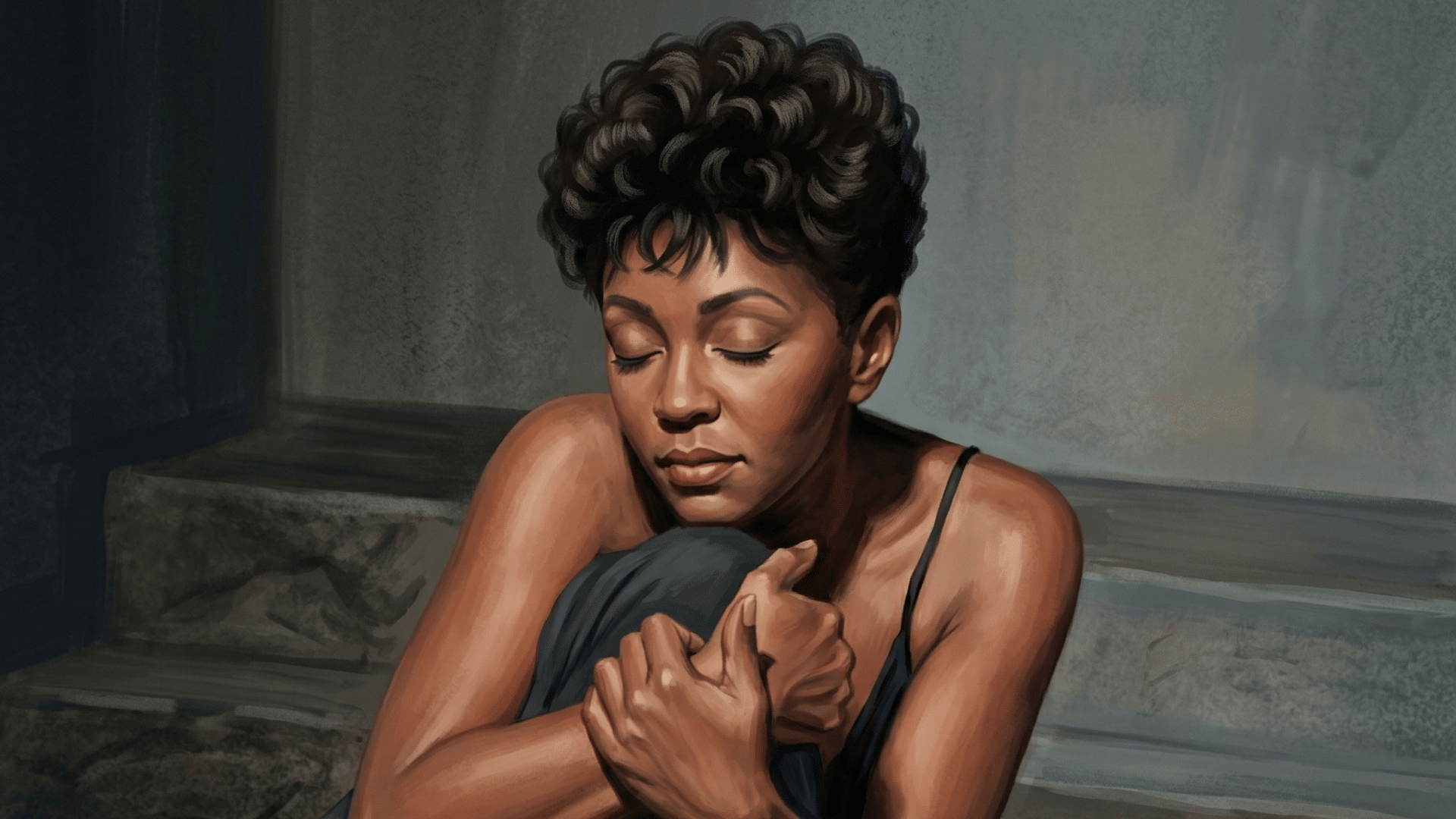
Listen To This Episode
Anita Baker's Rapture: 40 Years of Auntie Music
Queue Points’ Anita Baker’s Rapture: 40 Years of Auntie Music revisits Baker’s journey from Detroit’s Chapter 8 through her battle with Beverly Glen Records and arrival o...
Show Notes
The Big Picture
It's 1986. Hip-hop is bubbling, the R&B girlies are going pop, and then a woman from Detroit steps flatfooted to a microphone, claw-hands out, hair shaking, and proceeds to own every Black radio station, living room, and car ride in America. On this episode of Queue Points, DJ Sir Daniel and Jay Ray mark the 40th anniversary of Anita Baker's Rapture — an album that didn't just chart, it became a cultural ritual passed down like a recipe. They dig into the label fights, the iconic look, the Quiet Storm dominance, and exactly why auntie's album still holds up without a single skip.
She Had to Fight Before She Could Sing
Before one note of Rapture hit the airwaves, Anita Baker was already in a courtroom.
She started as a featured voice in Chapter 8, a Detroit R&B group, before label executives pushed her out
She recorded Songstress (including the stunning "Angel") on Beverly Glen Records—and then had to sue to get free
That legal battle to escape Beverly Glen and sign with Elektra Records is what made Rapture even possible
"She had to put on her boxing gloves and go to court so that she can get out of her deal." — Jay Ray
Sir Daniel connects this to a wider truth: Black women in the music industry have been fighting this battle for generations. Anita's reputation as "not the nicest" wasn't about personality—it was about survival. And that energy? You can feel it in every note.
The Auntie Aesthetic: More Iconic Than the Music
Name another artist whose haircut became a community touchstone.
The stacked short cut — close on the sides, pompadour-adjacent on top — showed up on aunties coast to coast
Arms slightly raised, hands in claw formation, head shaking side to side: the Anita Baker rock became an unmistakable signature
Her flowing dresses with belts — equal parts Alvin Ailey and Sunday best — gave the video era a counterpoint to Janet Jackson's crop tops and warehouse choreography
Sir Daniel frames it perfectly: in 1986, Black women had choices. Janet gave you movement and energy; Anita gave you depth and stillness. Both mattered. Both were necessary. And in the middle of the crack era, with latchkey kids and single mothers holding families together, that music and that imagery was more than entertainment — it was fuel.
The Quiet Storm and the No-Skip Record
Rapture's tracklist is a feat: "Sweet Love," "You Bring Me Joy," "Caught Up in the Rapture," "Been So Long," "Mystery," "No One in the World," "Same Ole Love," "Watch Your Step."
Music critic Nelson George labeled the sound "retro-nuevo" — jazz-inflected R&B that felt classic and fresh simultaneously
Vesta Williams appeared as a background vocalist on the album
"Been So Long" was never a formal single, but the Quiet Storm format — pioneered by Melvin Lindsey at WHUR — allowed local programmers to spin album cuts freely, turning it into a radio staple
"The local program director had the autonomy to place those songs in rotation to fit a format like the Quiet Storm. We had it so good back then." — DJ Sir Daniel
Meanwhile, "Same Ole Love (365 Days of the Year)" hit different: Sir Daniel's personal favorite, partly for its New Orleans bounce-friendly drum pattern (producers have been flipping it for decades), and partly because its "Same Ole Love" music video stars Anita rollerskating in Detroit — the city as an active character, honored on screen.
FAQ: Your Questions About Anita Baker's Rapture
Q: Why was Rapture's release such a big deal?
A: Because Anita had to win a lawsuit against Beverly Glen Records just to drop it. She was literally recording music and fighting legal battles at the same time. The album's release was a victory, not just a launch.
Q: What makes Rapture different from other R&B albums of 1986?
A: While artists like Janet Jackson and Patti Labelle were pivoting toward pop, Anita doubled down on a jazzy, jazz-adjacent sound that Nelson George called "retro-nuevo." Deeper octaves, more restraint, less spectacle — and it cut straight through.
Q: What is the Quiet Storm, and why did it matter for this album?
A: The Quiet Storm is a late-night Black radio format credited to DJ Melvin Lindsey at WHUR in Washington D.C. It created space for slower, more intimate R&B. Nearly every track on Rapture fit that format — and the format amplified the album to audiences that would carry it for 40 years.
Q: What's the deeper meaning behind "Same Ole Love"?
A: On the surface it's a love song, but the music video reframes it as a love letter to Detroit — the city, the community, the rollerskating rinks and streets. Sir Daniel reads it as Anita putting on for her hometown at a time when Detroit's golden era was already fading.
Q: How did Rapture impact Black women culturally?
A: Alongside the pop-leaning women of her era, Anita provided an alternative: powerful, emotional, and grounded. In a difficult social moment — the crack era, single-parent households, economic strain — her image and music offered a form of empowerment that wasn't about performance. It was about presence.
The Ultimate Takeaway
"Anita Baker not only put on for the jazzy, basement singers out there. She put on for her city." — DJ Sir Daniel
Forty years of Rapture is forty years of Black women choosing themselves, fighting for their art, and still commanding a room with nothing but a voice, some songs, and a fly haircut.
Bibliography & References
Artists
Anita Baker — Rapture (1986) → Spotify
Chapter 8 → Spotify
Janet Jackson — Control (1986) → Spotify
Sade — Promise (1985) → Spotify
Vesta Williams → Spotify
Music
Anita Baker — "Sweet Love" (Official Audio) (https://link.queuepoints.com/show217-ref1): Official Rhino Atlantic upload of Rapture's lead single; primary reference for the album's opening track and production discussed throughout the episode.
Anita Baker — "Same Ole Love" Official Music Video (https://link.queuepoints.com/show217-ref2): Official music video for the Detroit rollerskating clip Sir Daniel names as his personal favorite cut and a visual love letter to the city.
Anita Baker — "Been So Long" Live, Atlanta 2023 (https://link.queuepoints.com/show217-ref3): Live performance of the Quiet Storm album cut Jay Ray and Sir Daniel credit as a radio staple that charted deep without ever being an official single.
Anita Baker — "Sweet Love" & "Caught Up in the Rapture" Live, 1986 (https://link.queuepoints.com/show217-ref4): Rare 1986 Rapture Tour footage capturing Anita's original stage presence, the Anita Baker rock, and the iconic claw-hand silhouette the hosts describe in detail.
Articles for Context & Research
Anita Baker on "Rapture" & "The Anita Baker Appeal" — Soul Train (https://link.queuepoints.com/show217-ref5): Archival Soul Train interview where Baker speaks directly about Rapture's platinum success and her audience connection; primary source complement to the episode discussion.
Anita Baker Wins Favorite Soul/R&B Album — AMA 1988 (https://link.queuepoints.com/show217-ref6): Clip of Baker accepting her American Music Award; directly supports the hosts' discussion of Rapture's awards run and mainstream crossover impact.
Quiet Storm: How 1970s R&B Changed Late-Night Radio — Vox (https://link.queuepoints.com/show217-ref7): Vox documentary tracing the Quiet Storm format from Melvin Lindsey's 1976 WHUR broadcast; essential background for the episode's segment on how the format elevated Rapture's album cuts.
Quiet Storm: Melvin Lindsey's Slow Jam Revolution — NBC4 Washington (https://link.queuepoints.com/show217-ref8): NBC4 Washington profile of Melvin Lindsey and WHUR's role in creating the Quiet Storm; contextualizes how "Been So Long" became a radio classic without being a formal single.
Beverly Glen Music v. Warner Communications — Case Brief Overview (https://link.queuepoints.com/show217-ref9): One-minute legal case overview covering Anita Baker's contract dispute with Beverly Glen Records; directly illustrates the label lawsuit Jay Ray recounts before Rapture's release.
Caught Up in 40 Years of Anita Baker's Rapture — WYSO (2026) (https://link.queuepoints.com/show217-ref10): WYSO culture writer's 40th anniversary deep dive into Rapture's impact and continued relevance; published the same day as the album anniversary.
Anita Baker's Rapture Turns 40 — Albumism (2026) (https://link.queuepoints.com/show217-ref11): Comprehensive 40th anniversary feature tracking Rapture's tracklist, Baker's vocal style, and its place in her larger discography; strong companion read.
Milestones: Rapture by Anita Baker — Shatter the Standards (2026) (https://link.queuepoints.com/show217-ref12): Critical essay examining the album track by track and Baker's fight against Beverly Glen for creative control; supports the episode's label battle narrative.
Anita Baker's Rapture — BBC Music Review (https://link.queuepoints.com/show217-ref13): BBC critical review of Rapture noting its appeal across highbrow critics and mainstream audiences; supports the episode's discussion of the album's cultural crossover.
Beverly Glen Music v. Warner Communications — Studicata Case Brief (https://link.queuepoints.com/show217-ref14): Full legal case summary showing how California law protected Baker's ability to leave Beverly Glen and release Rapture on Elektra; richest legal backstory from the episode.
Quiet Storm — Wikipedia (https://link.queuepoints.com/show217-ref15): Wikipedia overview of the Quiet Storm radio format, its WHUR origins in 1976, and peak 1980s influence; direct reference point for the episode's Quiet Storm segment.
Chapter 8 — Wikipedia (https://link.queuepoints.com/show217-ref16): Entry on the Detroit soul group that launched Anita Baker's career; covers Baker's role as lead vocalist and producer Michael J. Powell's path from Chapter 8 to Rapture.
Nelson George — Wikipedia (https://link.queuepoints.com/show217-ref17): Background on the music critic who coined "retro-nuevo" to describe Baker's sound — a term central to the episode's framing of Rapture against the pop R&B landscape of 1986.
Melvin Lindsey: The Radio DJ Behind the Quiet Storm Revolution — In Sheep's Clothing HiFi (https://link.queuepoints.com/show217-ref18): Detailed profile of Lindsey's biography and programming philosophy; directly supports the episode's segment crediting him as the architect of the format that made Rapture a perennial radio record.
Motown to 8 Mile The Series: The career of Anita Baker — In The Mix With Leah B. The Music History Podcast (https://link.queuepoints.com/show217-ref19): Podcast episode of In the Mix With Leah B. about the career of Anita Baker.
People & Places
Nelson George — Wikipedia — Music journalist and cultural critic who labeled Baker's sound "retro-nuevo"
Melvin Lindsey — Wikipedia — WHUR DJ credited with originating the Quiet Storm radio format
Detroit, Michigan — Wikipedia — Anita Baker's hometown, featured in the "Same Ole Love" video
Genres & Formats
Quiet Storm — Wikipedia — Late-night Black radio format characterized by slow, smooth R&B; pioneered by Melvin Lindsey at WHUR in Washington D.C. in the 1970s
Retro-nuevo — Term coined by Nelson George to describe jazz-influenced R&B that honored classic soul while remaining contemporary; associated with Anita Baker and Sade
Rollerskating Culture in Black Communities — A cornerstone of Black communal joy, leisure, and social gathering, referenced in the "Same Ole Love" video and Queue Points' dedicated rollerskating episode
Related Episodes
Faith Evans' Faith Turns 30: An R&B Masterpiece
In this episode, DJ Sir Daniel and Jay Ray celebrate the 30th anniversary of Faith Evans’ debut album Faith by weighing whether it outshines Mary J. Blige’s What's the 41...
Dancing Through Black History With Dr. Marcus Borders: Line Dancing, Skating, and Community
DJ Sir Daniel and Jay Ray sit down with Dr. Marcus Borders to explore how roller skating rinks, line dance floors, and Southern Soul nights in Atlanta become spaces of Bl...
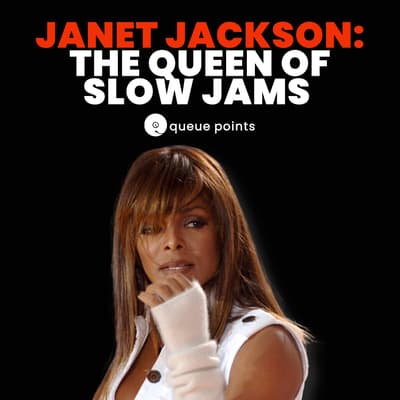
"Any Time, Any Place" Janet Jackson: The Queen of Slow Jams #SlowJamsCanHealUs
All this year, Queue Points is celebrating slow jams through our series Slow Jams Can Heal Us. In this episode of the Queue Points Podcast, hosts DJ Sir Daniel and Jay Ra...
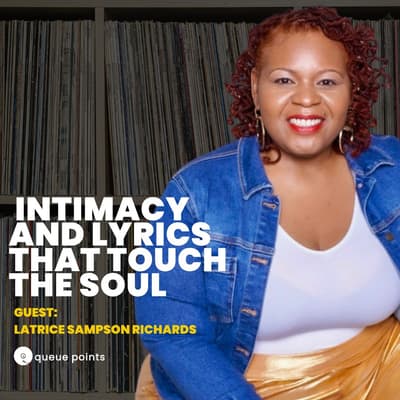
Slow Jams, Intimacy and Lyrics That Touch the Soul (Guest: Latrice Sampson Richards)
In this episode of Queue Points Podcast, DJ Sir Daniel and Jay Ray are joined by special guest Latrice Sampson Richards. The conversation focuses on the themes of lyrics ...
Slow Jams Can Heal Us (Guest: Whitney Jones of Slow Drag)
Whitney Jones, founder of Atlanta-based event Slow Drag, is here to discuss her journey and the significance of slow jams in reconnecting Black folks to one another. The ...
Get the stories behind the episodes.
The Queue Points Insider lands every Thursday with what we're working on, what's coming next, and the stories that don't make the episode.
Subscribe Today