
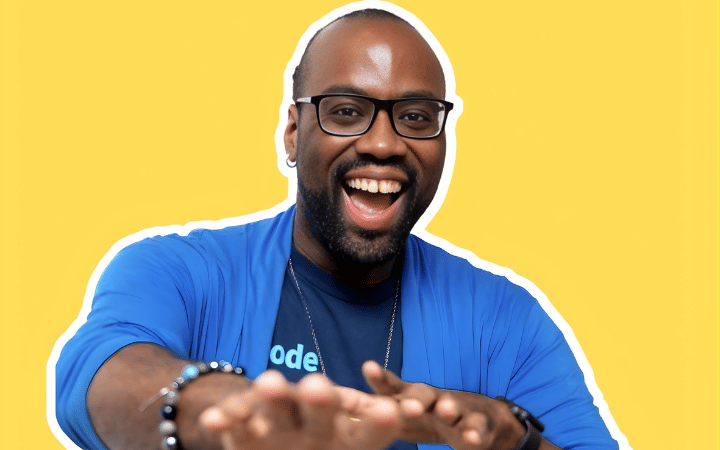
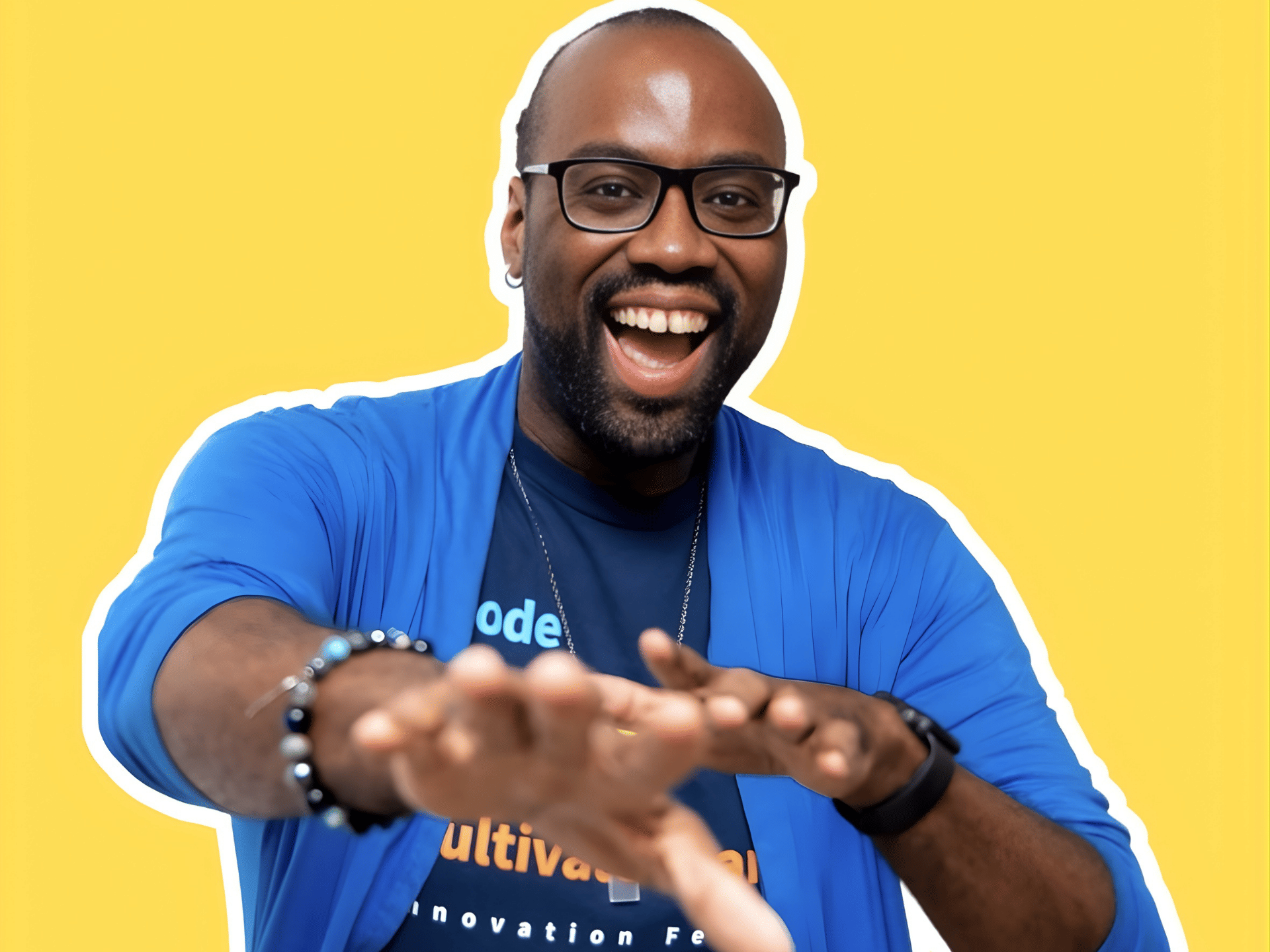
Remember those family reunions where the aunties would grab the mic, cue up the Electric Slide, and suddenly everyone from kids to grandparents was in a line, moving together? That shared energy is the heart of what DJ Sir Daniel and Jay Ray explored on the latest Queue Points episode with Dr. Marcus Borders, discussing line dancing, roller skating, and why these communal spaces feel like home, especially in Atlanta.
Marcus, an educator and self-described introvert, was not the child who danced in the living room. At parties, he would stay near the wall until a line dance started. As he told the hosts, “Line dance was a way for me to kind of hide within a crowd and enjoy myself.” This rhythm allowed him to join the floor for dances like The Wobble or the Cha-Cha Slide, creating a shared experience without the pressure of a solo spotlight.
Listen To This Episode
Dancing Through Black History With Dr. Marcus Borders: Line Dancing, Skating, and Community
DJ Sir Daniel and Jay Ray sit down with Dr. Marcus Borders to explore how roller skating rinks, line dance floors, and Southern Soul nights in Atlanta become spaces of Bl...
Start Listening Now → Apple Podcasts / Spotify / YouTube
The real shift began with skating in the summer of 2020. With the pandemic keeping everyone isolated, Marcus found his release at the Cascade Skating Rink. “I have not missed a week of skating since,” he noted. He now skates three to six days a week, crossing backwards to ‘90s R&B slow sets from artists like Keith Sweat or Johnny Gill. Atlanta’s rinks are open seven days a week, with DJs curating Quiet Storm vibes reminiscent of the Roll Bounce era. Sundays at Cascade, in particular, feel like a movie set.
These spaces offer more than just fun; they are essential lifelines. Marcus considers them "safe spaces" worth protecting, centering his life around classes, like the free sessions hosted by DJ Trael Tsunami. These are intergenerational spaces where people in their 20s and those in their 60s mix like family. Young skaters may introduce new trail ride steps to Southern Soul music, while elders teach the traditional spins. It operates like a holiday cookout, where people add their own flair—an extra turn, a slight dip—without judgment. Even making mistakes is part of the process; repetition helps turn awkward first attempts into muscle memory.
“When I’m skating doing my thing, you literally disappear into the music. Line dancing can be like that as well.”
- Dr. Marcus Borders
For instance, the Tamia Shuffle. Marcus first saw it at a family party in Detroit and thought it looked simple. It took him a year and a half of practice, including using slow-motion Instagram reels and bumping into people, to finally master it. Now, he owns the floor when the song drops. As for learning to skate, he advised, "Skate horribly first," laughing about paying those "wood taxes" at the rink, emphasizing the need to fall correctly and laugh it off—the same wisdom applies to dancing. While aunties may side-eye a wrong step (it's often treated with the seriousness of a game of spades), classes keep the stakes low.
Watch This Episode
Black Line Dances & Atlanta Skating Rinks: How We Protect Our Joy w/ Dr. Marcus Borders
Hear the skates hitting the wood at Cascade on a Sunday night, Southern Soul jamming over the speakers, and folks from 20s to 60s linking up in lines that snake across th...
The conversation also delved into DJ philosophy. Marcus advocates for sets that genuinely read the room, suggesting DJs should let the music breathe instead of focusing only on seamless BPM blends. After a slow skate, he advises hitting a "walk-up" and watching the crowd before introducing a new track. The Atlanta line dance movement, supported by Southern Soul on the radio, remains a thriving cultural cornerstone. When the outside world is stressful, the rink or the club becomes a sanctuary, a place for joy on demand.
“I’m like a classic Lincoln or a classic Cadillac. I’m slow off the line, but once I go, I can be fast and I’m smooth.”
- Dr. Marcus Borders
In closing, Marcus's message is to keep these safe spaces sacred. They provide connections, nourish the soul, and allow people to shine publicly. Jay Ray emphasized the generational importance, calling it a duty to pass these "languages" on to younger family members. Marcus specifically recommended classes with DJ Trael Tsunami and DJ Soufside for those in Atlanta.
The conversation ultimately echoes those rink nights: full of familiar faces, shared steps, and pure, essential recharge. Queue Points continues to drop the needle on Black music history. Check the full episode and leave a comment.
Who is ready to step onto the floor?
Enjoy These Related Episodes
From Hank Ballard to The Fat Boys: How The Twist Connected Black Musical Generations
DJ Sir Daniel and Jay Ray trace how the Twist and its kin—Watusi, Swim, Jerk, and Bus Stop—moved from Hank Ballard’s original to Chubby Checker’s American Bandstand cross...
The Wop at 40: The Greatest Hip Hop Dance Ever and the Groove of Mid-80s Black Parties
The Wop turned 40, and this episode sits right in that mid‑80s pocket where hood parties, basement jams, and early music videos shaped how we moved and how we saw ourselv...
The Sacred Science of Black Line Dances: Electric Slide, Cha-Cha Slide & The Wobble
In this episode of Queue Points, Jay Ray and DJ Sir Daniel unpack the sacred science behind three modern Black line dance staples: the Electric Slide, the Cha-Cha Slide, ...
Get the stories behind the episodes.
The Queue Points Insider lands every Thursday with what we're working on, what's coming next, and the stories that don't make the episode.
Subscribe Today